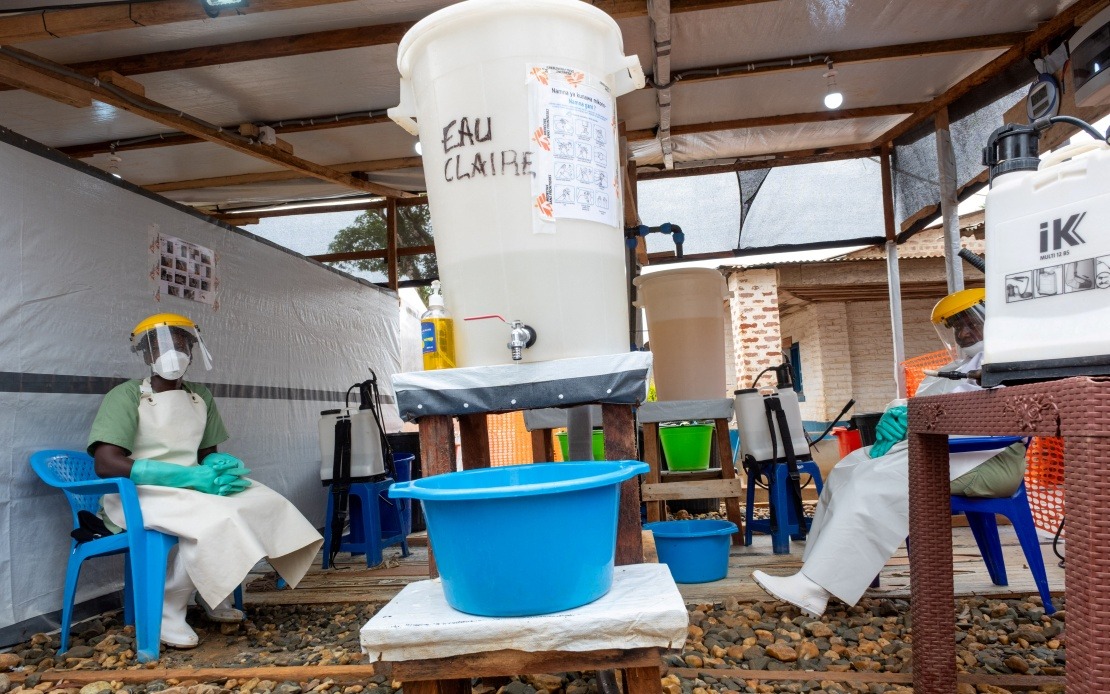
The Ebola epidemic ravaging the Democratic Republic of Congo has reached a sobering milestone, with health authorities confirming more than 3,075 cases as of Saturday. The outbreak, which continues to expand across five provinces in the country's eastern regions, represents one of the most severe infectious disease crises in recent African history. Of the confirmed infections, 1,354 patients have died while 556 have recovered, leaving 755 individuals currently receiving treatment in hospital or isolation facilities across affected areas.
The geographic spread of the virus underscores the challenge facing health officials in containing transmission. The five affected provinces—Ituri, North Kivu, South Kivu, Haut-Uele and Tshopo—cover a vast territory across eastern DRC, complicating coordinated response efforts. The dense population centres within these regions, combined with limited healthcare infrastructure in many communities, have created conditions favourable for sustained transmission chains. The situation carries particular significance for the broader Central African region, as cross-border movement and trade connections pose risks of international spread.
What distinguishes this outbreak from previous Ebola crises is the causative agent itself: the Bundibugyo ebolavirus. This particular strain differs from the Zaire ebolavirus responsible for the devastating 2014-2016 West African epidemic that killed over 11,000 people. The Bundibugyo variant has historically caused less frequent outbreaks with lower case fatality rates, though the current numbers suggest this outbreak warrants serious international concern. The epidemiological profile of this strain influences both treatment approaches and vaccine development strategies being pursued by researchers worldwide.
Prime Minister Judith Suminwa Tuluka has projected an ambitious timeline for addressing the medical crisis, indicating that researchers are actively developing therapeutic interventions and immunisation tools specifically targeting this virus strain. Her statement on Friday that a vaccine and treatment could potentially emerge within two to four months reflects considerable optimism from DRC authorities, though such timelines depend heavily on the pace of clinical evaluation and regulatory approval processes. The government has allocated financial resources to support research efforts, though specific details about funding amounts or research partnerships remain undisclosed.
Currently, the international medical arsenal against Bundibugyo ebolavirus remains limited. No vaccine has received regulatory approval specifically for this strain, nor are there licenced treatments designed to target it. However, several experimental candidates are advancing through clinical evaluation pipelines. The University of Oxford announced on Friday a significant development: the world's first human volunteer has received an experimental vaccine known as ChAdOx1 BDBV, marking entry into Phase One clinical trials. This platform represents a technology that has been adapted from previous coronavirus vaccine work, demonstrating how scientific infrastructure developed for one pathogen can be repurposed for emerging threats.
The significance of Oxford's vaccine trial extends beyond the immediate DRC crisis. The ChAdOx1 platform has proven flexible enough to accommodate different viral targets, suggesting that even if this particular trial yields limited efficacy, the underlying technological approach could accelerate future vaccine development efforts. For Southeast Asian nations monitoring the situation, this represents an important reminder of the interconnected nature of global health security. An uncontrolled outbreak in Central Africa creates theoretical risks of eventual international spread through air travel and commerce networks.
The recovery of 556 patients demonstrates that survivorship is possible with appropriate supportive care, even in the absence of specific antiviral therapies. This fact has informed medical approaches across affected regions, where treatment centres focus on maintaining fluid balance, managing complications, and supporting organ function while patients' immune systems battle the infection. Healthcare workers managing these cases face extraordinary personal risk, as Ebola is transmitted through direct contact with blood or body fluids of infected individuals.
For Malaysia and other Southeast Asian countries, the DRC Ebola situation underscores the importance of strengthening regional disease surveillance networks and maintaining pandemic preparedness capacity. While geographical distance provides natural protection against rapid spread, the evolution of air travel means no region can remain insulated from emerging infectious diseases. Malaysian health authorities have continued monitoring the situation as part of routine infectious disease surveillance, though current risk assessments suggest direct threat to the region remains minimal.
The outbreak's intersection with vaccine development timelines also reflects broader questions about global health equity. Should experimental vaccines prove effective, questions will arise about fair distribution mechanisms, particularly given that Bundibugyo ebolavirus outbreaks have historically affected some of Africa's poorest regions with weakest health systems. The precedent set during this crisis regarding vaccine allocation could shape international responses to future pathogenic threats, including how middle-income countries like Malaysia might access novel countermeasures during emergencies.
As the DRC case count continues climbing, coordination between national authorities, international organisations, and research institutions will prove critical. The window for controlling transmission through public health measures—case isolation, contact tracing, and safe burial practices—remains open, though increasingly constrained by the outbreak's geographical spread and the challenges of implementing these strategies across war-affected regions. Even as medical countermeasures advance through development pipelines, strengthening basic epidemiological control measures remains essential for preventing further escalation of this health emergency.

