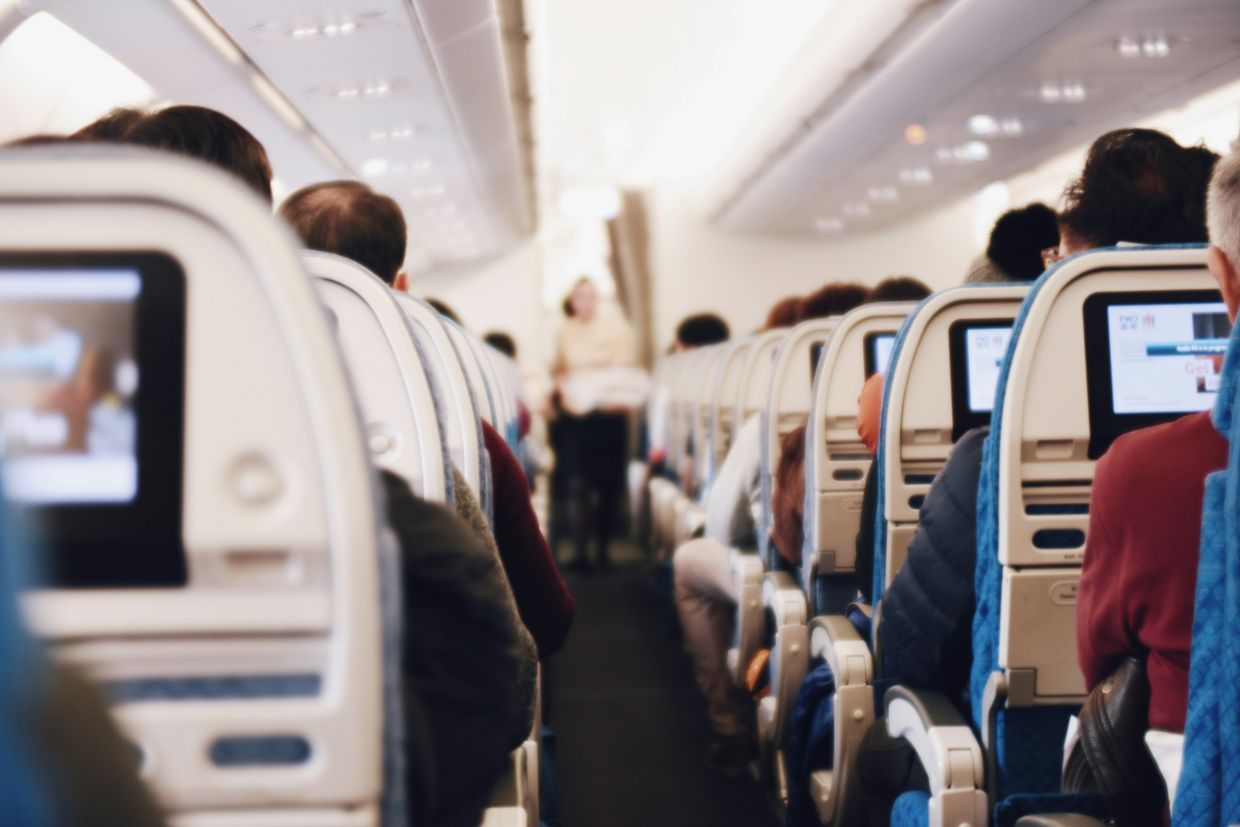
Delta Air Lines is investigating the activation of an unauthorised WiFi network aboard a Monday, August 10 flight departing Las Vegas, occurring just one day after the conclusion of Def Con, one of the world's largest cybersecurity and hacking conferences. The carrier confirmed the incident to federal law enforcement and aviation authorities, with spokesperson Morgan Durrant emphasising that the network existed only briefly before crew members took corrective action by temporarily disabling the aircraft's WiFi systems for approximately half an hour.
The incident unfolded on a Boeing 757 aircraft operating Delta Flight 591 bound for Atlanta, with Durrant stressing in an August 11 statement that "there was no hack of any Delta system" and that air traffic control personnel saw no need to declare an emergency. The airline has underscored that flight operations and safety protocols remained uncompromised throughout the event, with no aircraft operating systems affected by the unauthorised network. Investigators from Delta, alongside federal law enforcement officers and aviation regulatory bodies, are now working to establish the complete circumstances surrounding how and why the network was activated.
The Federal Bureau of Investigation's Atlanta office acknowledged awareness of reports concerning a "potential WiFi-related incident" on the flight and indicated coordination with local and corporate partners in examining the matter. However, FBI representatives declined to elaborate further on their investigation at this stage. Meanwhile, the Federal Aviation Administration confirmed it is reviewing the incident, with an agency spokesperson noting that a breach of an onboard WiFi system would not jeopardise a flight's essential safety mechanisms, separating passenger-facing connectivity systems from the critical infrastructure that keeps aircraft operational.
Def Con, which markets itself as the world's premier hacking and security conference, took place in Nevada during the weekend preceding the flight. A representative for the conference stated that organisers had not yet been contacted by Delta or law enforcement authorities but indicated plans to conduct their own independent investigation into the matter. Monika Hathaway, spokesperson for Def Con, issued a clear statement that the conference does not tolerate or support illegal activities and warned that any attendee found responsible would face permanent banishment from future events, along with an apology to affected parties.
Cybersecurity experts suggest that executing such an attack on an aircraft's WiFi system requires relatively modest technical capability and inexpensive equipment. Lennart Koopmann, founder of cybersecurity firm Nzyme, explained that disrupting a WiFi network and replacing it with a fraudulent access point is a straightforward two-step process that allows attackers to intercept unencrypted data transmitted across the compromised network. This type of vulnerability has long been understood in security circles and is frequently used by legitimate penetration testers to identify weaknesses in organisational defences.
The equipment needed to carry out such an attack is remarkably compact and affordable. Koopmann noted that battery-powered devices capable of executing this type of assault are smaller than a cigarette box and cost around US$250 (RM1,022), making them accessible to individuals with basic technical knowledge and modest financial resources. These tools are routinely deployed by security professionals during authorised testing engagements, though their availability also means that unauthorised individuals might obtain and misuse them.
Speculation about the incident's origins has naturally focused on the timing and location, given that thousands of security researchers, hackers, and cybersecurity professionals converge on Las Vegas annually for Def Con. Koopmann's assessment is that a passenger likely purchased such a device and attempted to demonstrate or test its capabilities during the flight, though this remains speculation pending the outcome of formal investigations. The incident raises questions about the security protocols governing connectivity systems on commercial aircraft and whether additional safeguards might be warranted to prevent unauthorised network activation in flight environments.
The incident carries implications for commercial aviation's approach to cybersecurity in an era when aircraft increasingly rely on digital systems for passenger services and operational efficiency. While regulatory authorities have emphasised that the unauthorised WiFi network posed no genuine threat to flight safety or aircraft control systems, the incident demonstrates that determined or curious individuals can attempt to manipulate passenger-facing systems. For Malaysian and Southeast Asian travellers, the episode illustrates the importance of understanding that airlines maintain multiple layers of separation between systems passengers interact with and the critical infrastructure that governs flight operations.
The investigation represents a test case for how aviation authorities, airlines, and law enforcement agencies coordinate on cybersecurity matters that fall into grey zones between genuine security threats and unauthorised but ultimately non-dangerous experimentation. Delta's response, which has been transparent about the incident while emphasising the absence of actual compromise, may establish precedent for how the industry communicates such events to regulators and the travelling public. The resolution of this investigation may inform future policy around WiFi systems on commercial aircraft and the balance between connectivity convenience and security assurance.

