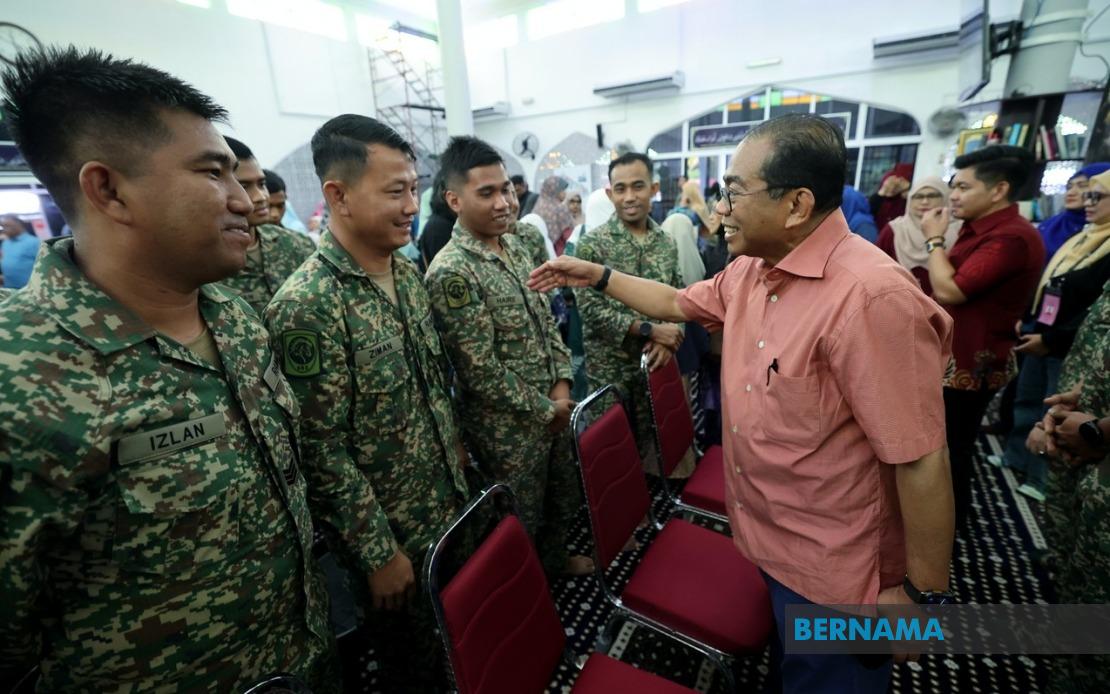
Defence Minister Datuk Seri Mohamed Khaled Nordin has indicated that the inquiry into a fatal grenade explosion at Hobart Camp in Gurun will reach his ministry's desk around the middle of July. Speaking during a visit to the Ilmu dan Muafakat programme at Felda Air Tawar 2 in Kota Tinggi on July 5, he confirmed that the investigation team is putting finishing touches to the report before formal submission. The minister expressed confidence that the timeline would be met, though he cautioned that further action would only be determined once the findings are reviewed at ministerial level.
The incident in question occurred on June 16 when a grenade detonated during a scheduled training activity, resulting in the immediate deaths of two service members. Corporal Norazmi Abu Bakar, serving with the Sixth Battalion of the Royal Malay Regiment, and Private Siti Khadijah Sungip from the First Squadron of the Royal Engineers Regiment, both sustained catastrophic injuries in the explosion. Emergency responders transported both personnel to Sultan Abdul Halim Hospital in Sungai Petani, but they were pronounced dead during the journey, marking a significant tragedy for Malaysia's armed forces.
The gravity of the situation intensified when a second serious accident unfolded at the same training facility merely two weeks after the initial explosion. On June 29, a firearm accidentally discharged during a combat enhancement training exercise, causing injuries to two additional personnel. Sergeant Mohamad Firdaus Che Shaharudin and Corporal Felix Franchis, both attached to the Fourth Battalion of the Royal Ranger Regiment, were struck by shrapnel and suffered leg injuries in the 6.15 pm incident. The clustering of these two major accidents within such a short timeframe has raised concerns about the safety protocols and operational procedures at the facility.
The occurrence of these incidents has prompted the Malaysian Army to undertake a comprehensive reassessment of its training methodologies and safety measures. Mohamed Khaled indicated that the service branch has been instructed to conduct a thorough examination of its training protocols, taking into account not only the fatal explosion but also the subsequent firearm incident. This dual review reflects the ministry's recognition that isolated accidents do not necessarily indicate systemic problems, but the repetition of serious incidents at a single location warrants deeper investigation into whether underlying deficiencies may exist.
The Defence Minister stressed that the army will not rush to judgement or implement sweeping changes without solid evidence. Instead, the ministry intends to wait for the completed investigation report and analyse its recommendations carefully before deciding on corrective measures. This measured approach balances the urgent need for accountability with the requirement that any policy changes be grounded in thorough factual analysis rather than reactive impulse. Mohamed Khaled's statement suggests that the investigation is examining multiple dimensions, likely including equipment maintenance, training supervisor qualifications, participant briefing procedures, and emergency response protocols.
Hobart Camp in Gurun has long served as a training centre for Malaysian Armed Forces personnel, hosting exercises designed to enhance combat readiness and operational capability. The incidents there have shone a spotlight on the inherent risks associated with live military training, where the use of explosives and firearms creates inherent dangers. For Malaysian citizens and their families with service members in the armed forces, these accidents underscore both the commitment soldiers make and the genuine perils they face during routine training activities.
The death of Corporal Norazmi and Private Siti Khadijah represents not merely a statistical tragedy but a tangible loss within Malaysia's defence establishment. Private Siti Khadijah's death is particularly notable as it highlights the expanding role of women in the armed forces and the shared risks they undertake alongside their male counterparts. The subsequent injuries sustained by Sergeant Mohamad Firdaus and Corporal Felix Franchis indicate that even non-fatal incidents can have lasting consequences for military personnel and their families.
For the broader Southeast Asian military community, the Malaysian incidents carry implications regarding training safety standards. As regional armed forces modernise and increase the tempo of exercises, the balance between realistic preparation and personnel protection becomes increasingly critical. Other nations in the region may view Malaysia's investigative process and any resulting policy adjustments as relevant benchmarks for their own training oversight protocols.
The expected mid-month submission of the investigation report will mark an important milestone in the accountability process. However, the true significance will emerge when the ministry's leadership reviews the findings and determines what systemic changes, if any, are warranted. The public release of key findings will be equally important for rebuilding confidence in military training safety, particularly among serving personnel and their families who must trust that their loved ones are being exposed to manageable rather than unnecessary risks.
Mohamad Khaled's acknowledgment of the need for a broader training review suggests that the ministry recognises the incidents may reflect more than just individual lapses or bad luck. Whether the investigation attributes the accidents to equipment failures, procedural gaps, training design flaws, or a combination thereof will significantly shape the corrective measures that follow. The Malaysian military's response to these findings will likely influence how the public and political observers perceive the armed forces' commitment to operational safety and personnel welfare.

