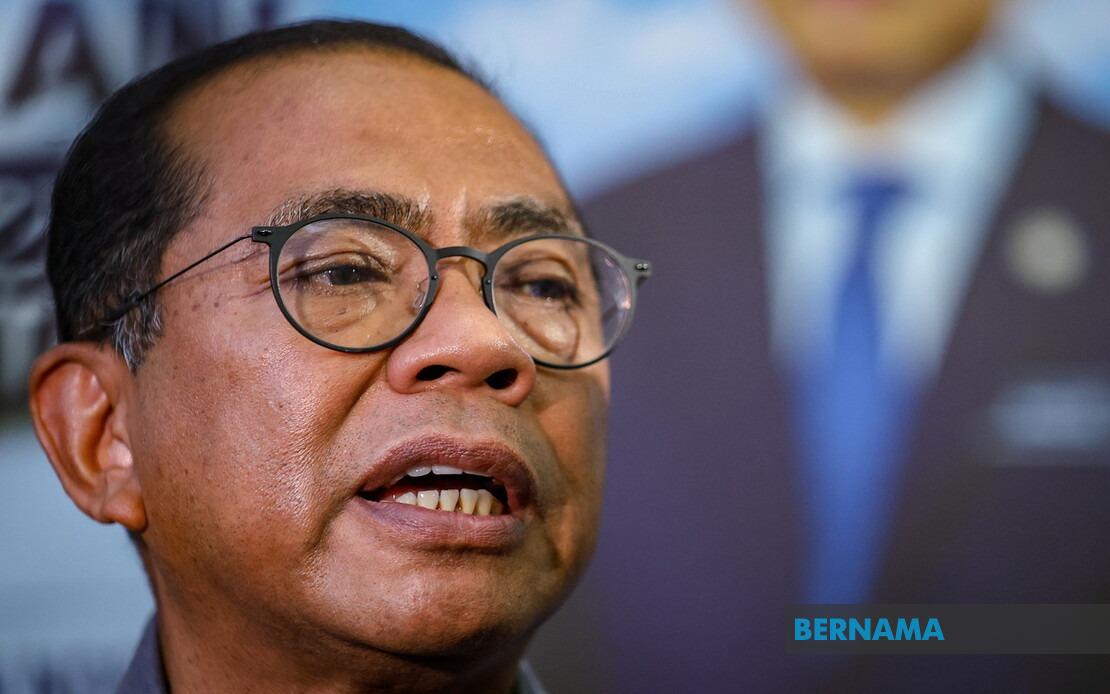
Malaysia's Defence Minister Datuk Seri Mohamed Khaled Nordin has touched down in Hanoi to begin a two-day official visit focused on deepening defence partnerships with Vietnam. The journey represents a significant diplomatic milestone for the newly appointed minister, who will engage with some of Vietnam's most senior political and military officials during his stay. His arrival at Noi Bai International Airport marks the opening of what is expected to be a substantive dialogue on shared security interests and bilateral cooperation frameworks.
The timing of Mohamed Khaled's visit carries strategic importance for the Southeast Asian region. Vietnam and Malaysia have cultivated increasingly robust defence relationships over the past decade, particularly as both nations navigate the complex security dynamics of the Indo-Pacific. By making Vietnam his first overseas defence mission since assuming his portfolio, Mohamed Khaled signals Malaysia's commitment to maintaining and elevating these partnerships at a moment when regional stability remains a priority concern for many governments.
During his time in the Vietnamese capital, Mohamed Khaled is scheduled to meet with Vietnam's Prime Minister Le Minh Hung and Deputy Prime Minister and Minister of National Defence Gen Phan Van Giang. These high-level engagements will provide opportunities to discuss current defence initiatives, explore new areas of military cooperation, and exchange perspectives on regional security challenges. The calibre of Vietnamese officials involved underscores Hanoi's own commitment to strengthening ties with a key regional partner.
The foundation for this visit rests on a solid institutional framework. Malaysia and Vietnam have maintained defence ties spanning decades, with both nations recognizing mutual benefits in coordinated security approaches. The relationship encompasses military training exchanges, joint exercises, and regular consultations on matters affecting regional peace. This established rapport creates fertile ground for expanding cooperation in emerging security domains such as maritime safety, counter-terrorism operations, and cybersecurity threats.
A crucial document anchoring current cooperation is the Memorandum of Understanding on defence collaboration, which was renewed in December 2023. This renewal represents a deliberate reaffirmation by both governments of their intention to sustain and deepen military engagement over the coming years. For Malaysian readers, this renewal is significant because it demonstrates continuity in defence policy regardless of domestic political changes, and reflects a bipartisan commitment to maintaining strong regional partnerships.
Mohamed Khaled has articulated an ambitious vision for what this visit can accomplish. He expressed hope that the two-day engagement will serve as a catalyst for elevating Malaysia-Vietnam defence cooperation to unprecedented levels. Rather than merely maintaining existing arrangements, the minister sees potential for creating fresh opportunities that would expand the scope and depth of bilateral military collaboration. This forward-looking approach suggests that Malaysian defence planners are actively seeking to enhance their strategic toolkit through closer ties with Hanoi.
The potential benefits of strengthened Malaysia-Vietnam defence cooperation extend beyond bilateral interests. Both nations are concerned with maritime security in the South China Sea, a critical waterway through which trillions of dollars in global trade passes annually. Closer coordination between Malaysian and Vietnamese defence establishments could enhance maritime domain awareness, improve naval coordination during search and rescue operations, and contribute to the maintenance of freedom of navigation in disputed areas. These are matters that directly affect regional stability and the interests of all Southeast Asian states.
From a Malaysian perspective, deepening defence relationships with Vietnam also reflects a strategic diversification of partnerships. Malaysia maintains defence arrangements with multiple countries including the United States, China, India, and regional neighbors. By strengthening Vietnamese ties, Malaysia demonstrates its commitment to a non-aligned regional approach that avoids excessive dependence on any single power. This balanced posture is particularly important for a country navigating great power competition while maintaining autonomy in defence decision-making.
The visit also provides a platform for Malaysia and Vietnam to coordinate positions on regional security architecture. Both nations are members of ASEAN and have interests in ensuring the bloc remains unified and effective in addressing transnational challenges. Bilateral defence dialogues often serve as valuable forums for building consensus on regional issues before they are discussed in multilateral settings. Vietnamese insights on China policy, border security, and maritime disputes can inform Malaysian strategic thinking and vice versa.
Cultural and people-to-people exchanges often accompany official defence visits, though these dimensions were not detailed in the minister's itinerary announcement. Nevertheless, such visits typically strengthen broader diplomatic relationships beyond military cooperation. Military personnel exchanges, joint training initiatives, and officer development programs that may be discussed during this visit contribute to mutual understanding and professional relationships that pay dividends during times of regional tension or crisis.
For Vietnam, receiving Malaysia's defence minister sends a message about Hanoi's ongoing commitment to maintaining productive relationships across ASEAN. Despite Vietnam's growing strategic importance in regional affairs, the country maintains a deliberate policy of nurturing partnerships with all Southeast Asian neighbors. This visit allows Vietnamese leaders to reaffirm their commitment to peaceful cooperation with Malaysia and to showcase Vietnam as a reliable and engaged regional partner.
The broader context of this visit includes evolving security challenges affecting Southeast Asia. Regional countries face common threats including maritime piracy, human trafficking, transnational crime, and the emergence of new security domains requiring military adaptation. Malaysia and Vietnam can benefit significantly from sharing intelligence, coordinating responses to transnational threats, and learning from each other's experiences in managing complex security environments. These practical cooperation opportunities often drive the most substantive aspects of defence partnerships.
As Mohamed Khaled concludes his two-day visit and returns to Malaysia, the outcomes of his meetings with Vietnamese leaders will likely shape defence cooperation priorities for the coming year. Whether through expanded military exercises, enhanced intelligence sharing, or new training initiatives, this visit has the potential to add significant value to Malaysia-Vietnam relations. For Malaysian defence planners and regional observers alike, the visit represents an important opportunity to strengthen multilateral cooperation and contribute to the peace and stability that remain essential foundations for Southeast Asian prosperity.

