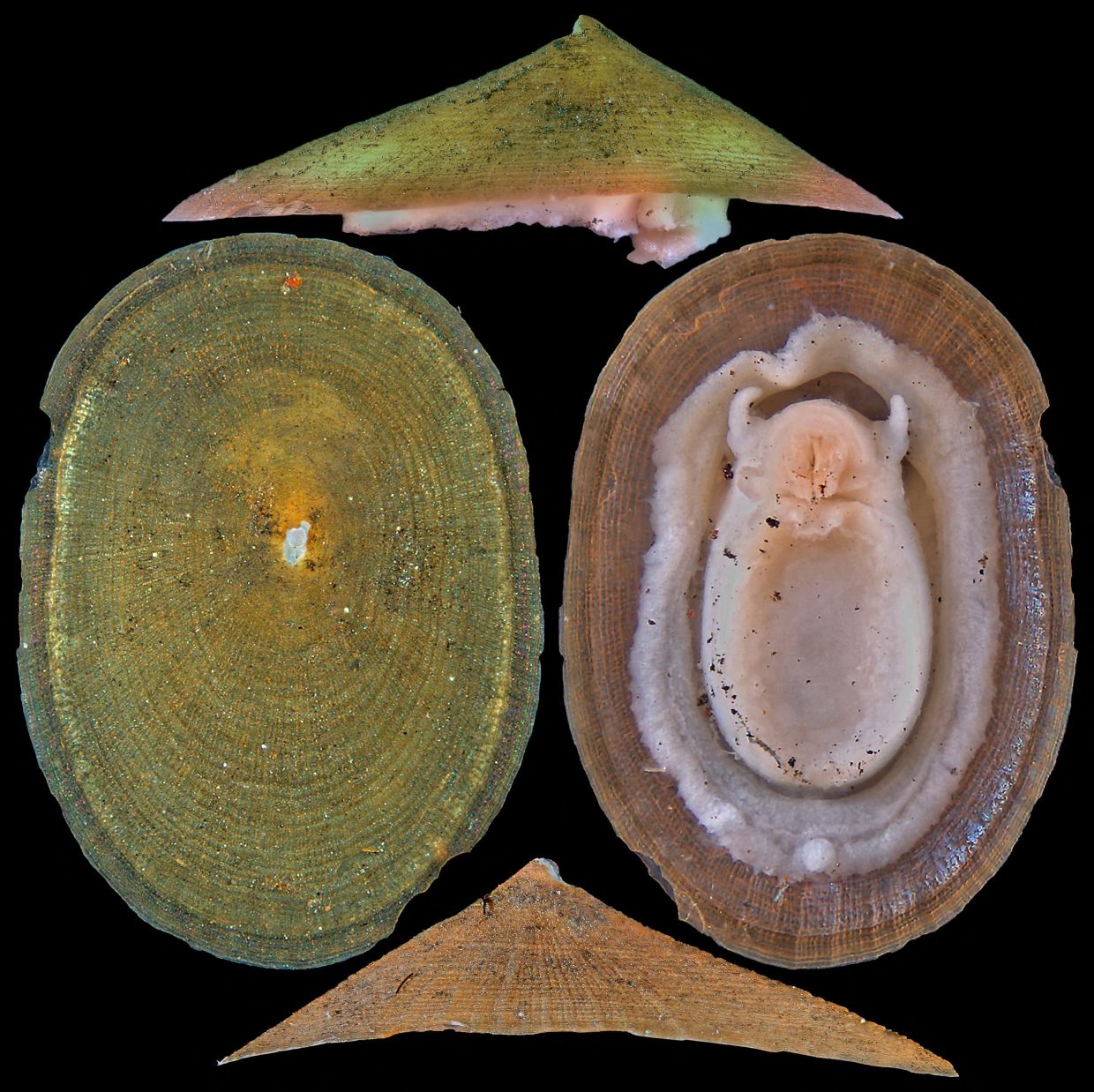
The International Union for Conservation of Nature has sounded an urgent alarm over the mounting threat posed by deep-sea mining to some of Earth's most remarkable creatures. According to the latest update to the IUCN Red List of Threatened Species released Thursday, approximately 62 percent of mollusk species that depend exclusively on hydrothermal vents—a total of 125 out of 201 known species worldwide—face a genuine risk of extinction driven by human extraction of valuable minerals from the ocean floor. This startling revelation underscores a broader pattern of accelerating pressure on biodiversity hotspots previously thought too remote and inhospitable to draw significant human interference.
The creatures at risk inhabit one of Earth's most extreme environments, dwelling at depths extending to 5,000 metres below the ocean surface where superheated water exceeding 450 degrees Celsius erupts from thermal vents. This extraordinary habitat has given rise to an astonishing diversity of life forms, including snails, limpets, mussels, clams, and chitons that have evolved remarkable physiological adaptations to thrive in absolute darkness and crushing pressure. Many of these species have only been identified within the past decade, highlighting how little humans understood about deep-sea ecosystems until very recently. The cruel irony is that science has scarcely begun cataloguing this hidden biodiversity before industrial interests have already begun threatening its survival.
The mechanism by which deep-sea mining endangers these molluscs is particularly insidious. When exploration activities disturb the seabed, they generate substantial sediment plumes that blanket entire areas, physically smothering the animals and fundamentally disrupting their ability to extract vital nutrients from their environment. Unlike surface ecosystems where disturbance might recover within years or decades, deep-sea environments operate at a vastly different temporal scale, with some biological processes taking centuries to complete. This means that damage inflicted by mining exploration could persist for generations, effectively erasing species that took millions of years to evolve.
The IUCN's updated Red List now encompasses 175,909 species in total, an increase from 172,620 species listed in the previous edition, with 49,505 species categorized as threatened with extinction compared to 48,646 previously. This expansion reflects both improved scientific knowledge and the sobering reality that biodiversity loss continues to accelerate globally. Julia Sigwart, representing the IUCN mollusc specialist group, emphasised that these creatures represent one of the planet's most vulnerable animal groups at a genuinely pivotal moment for their conservation prospects. The timing could hardly be more critical, as regulatory frameworks governing deep-sea mining remain underdeveloped and often inadequate to protect fragile ecosystems.
The conservation body has previously advocated strongly for protective measures. In 2021, the IUCN formally voted to support a moratorium on deep-sea mining unless and until governments implement genuinely effective marine environmental protections. This stance reflects scientific consensus that current knowledge gaps about deep-sea ecosystems are too substantial to responsibly permit industrial-scale extraction. Grethel Aguilar, the IUCN's chief, articulated the broader concern facing conservation efforts worldwide, noting that even creatures exhibiting the most ingenious survival strategies—organisms specifically evolved to endure the most hostile planetary conditions—now find themselves unable to withstand the intensity and scale of modern human activity.
The Red List update also highlighted other species experiencing dramatic shifts in conservation status, providing contrasting narratives about the variable success of protection efforts. The desert rain frog, a small amphibian popular on social media platforms for its unusual appearance and vocalizations, has deteriorated from near threatened to vulnerable status. This deterioration stems from diamond mining operations and energy infrastructure development along the western coast of South Africa and Namibia, ecosystems where the species' already-restricted range faces mounting pressure. Without decisive conservation intervention, scientists project that the population will contract by 20 percent over the next decade, pushing the species further toward potential oblivion.
In contrast, Australia's numbat, a small marsupial sometimes called the banded anteater, presents an encouraging counterpoint to stories of decline. The species has improved from endangered to near threatened status, with current population estimates suggesting between 2,000 and 3,000 individuals exist—a remarkable recovery from just a few hundred during the 1970s. This improvement reflects sustained captive breeding programmes and habitat protection measures maintained across multiple decades. John Woinarski, co-chair of the IUCN's Australasian marsupial and Monotreme specialist group, emphasised that long-term, strategically coordinated, and collaborative conservation efforts genuinely produce measurable results, demonstrating that biodiversity loss is not inevitable if societies commit adequate resources and political will.
The numbat's recovery also carries important lessons for addressing broader wildlife threats in Australian ecosystems. Without consistent protection frameworks, invasive predators—particularly cats and foxes introduced during European colonisation—will almost certainly continue driving Australia's small marsupials and native rodent species toward extinction. This dynamic illustrates how conservation success requires sustained attention and adaptive management rather than one-time interventions. For Southeast Asian policymakers observing these international conservation discussions, the cases of both deep-sea molluscs and the numbat underscore that species protection must begin before commercial pressures become overwhelming, and that consistent commitment produces better outcomes than reactive responses to collapse.
The deep-sea mining threat carries particular significance for Southeast Asian nations and their maritime interests. Several countries in the region maintain claims over maritime areas containing potentially valuable mineral deposits, yet they also depend fundamentally on healthy ocean ecosystems for fisheries, food security, and climate regulation. The IUCN findings suggest that pursuing mineral extraction in poorly understood deep-sea environments carries biological and economic risks that warrant serious deliberation at national and regional policy levels. As international frameworks for deep-sea mining governance continue developing, Southeast Asian governments face choices about whether to prioritise short-term extractive revenue against long-term ecosystem services and scientific knowledge.
The updated Red List reflects an increasingly sophisticated understanding of how industrial activities penetrate even Earth's most remote ecosystems, challenging assumptions that isolation provides protection. Modern mining technology has expanded human economic reach into environments previously considered beyond significant human interference, yet ecological knowledge about these systems remains fragmentary and incomplete. This knowledge-action gap—wherein industrial expansion outpaces scientific understanding—characterises many contemporary conservation challenges. The molluscs facing extinction from deep-sea mining represent not merely the loss of individual species but the foreclosure of evolutionary potential, the elimination of genetic diversity accumulated over millions of years, and the removal of organisms that might contain novel compounds or biological processes of scientific or medical significance yet undiscovered.
Moving forward, the IUCN's warnings suggest that deep-sea mining regulations must incorporate genuine precautionary principles rather than assuming environmental impacts remain acceptable until proven otherwise. International agreements governing these activities should require demonstrable ecosystem protection before permit issuance, not after-the-fact mitigation of damages. For Malaysia and other Southeast Asian nations, engaging constructively with these conservation frameworks offers opportunities to influence global standards while protecting regional marine interests. The convergence of deep-sea mining pressures with climate change, ocean acidification, and overfishing creates a particularly urgent conservation moment, wherein decisions made in the next few years will largely determine which species survive into subsequent centuries.

