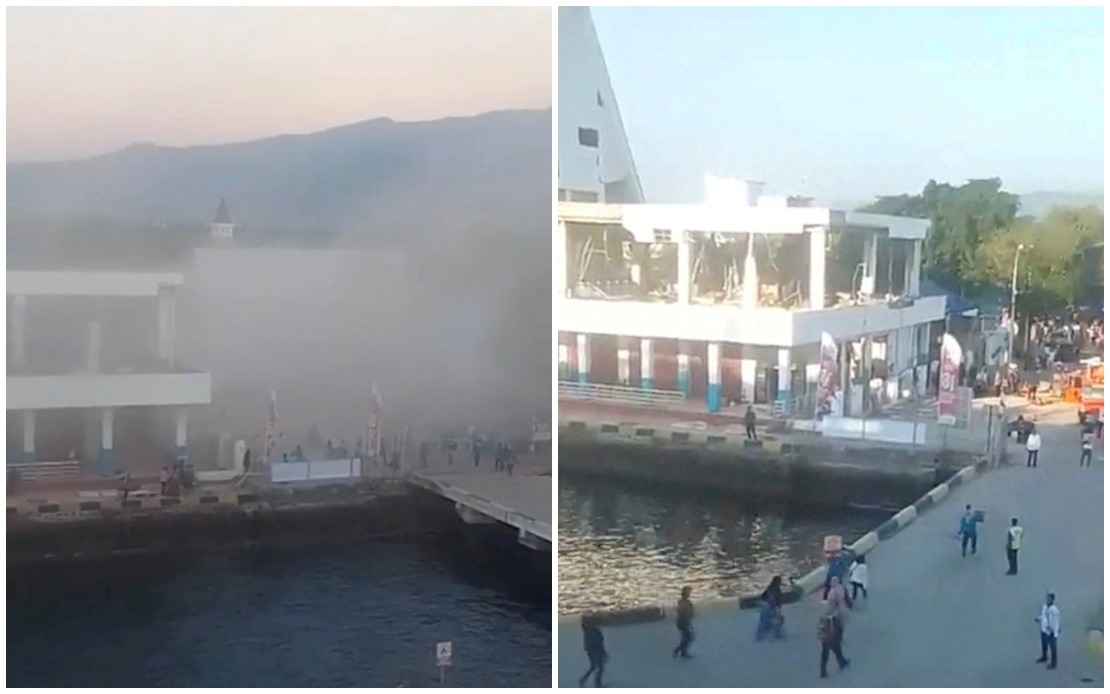
A powerful magnitude 7.7 earthquake that struck off the coast of Flores Island in Indonesia's eastern reaches has claimed at least 20 lives, according to officials handling rescue and recovery operations in the stricken region. The tremor, which originated near Mbay town in Nagekeo Regency early on Saturday, generated significant destructive force across East Nusa Tenggara province, with rescuers still accounting for missing persons as recovery efforts intensify. The casualty count, provided by Maumere Search and Rescue Office official Fathur Rahman, reflects confirmed deaths whilst six individuals sustained injuries and two remain unaccounted for beneath collapsed structures.
The seismic event triggered multiple powerful aftershocks that have compounded the emergency response challenge facing provincial authorities. East Nusa Tenggara Governor Melki Laka Lena disclosed during a press briefing in Kupang that the destruction extends across residential areas and public infrastructure, with numerous homes and commercial buildings sustaining varying degrees of damage. Road networks have become compromised, with several routes completely severed or rendered impassable by landslide debris, creating significant logistical obstacles for search teams attempting to reach affected communities in remote areas.
Visual documentation captured on social media platforms reveals the violent nature of the earthquake's impact, showing structures reduced to twisted metal and concrete fragments amid clouds of dust. Residents documented scenes of panic and confusion as people fled buildings and sought refuge in open areas, reflecting the sudden and terrifying character of the natural disaster. Governor Laka Lena acknowledged that comprehensive damage assessments remain incomplete, with authorities still systematizing information from field teams scattered across the province's varied geography to establish the full scope of destruction and humanitarian need.
The earthquake triggered an initial tsunami warning that authorities lifted several hours later after evaluating sea level conditions. Indonesia's Meteorology, Climatology and Geophysics Agency, whilst cancelling the immediate tsunami threat, maintained advisories for residents to remain vigilant regarding continued seismic activity, as magnitude 7.7 earthquakes typically generate numerous significant aftershocks capable of causing additional structural damage and casualties. This guidance proved particularly critical for communities already traumatized by the initial shock and struggling to locate missing family members.
The disruption extended to regional transportation networks, as multiple airlines cancelled flights servicing East Nusa Tenggara province on Saturday, isolating the region and complicating the movement of emergency medical personnel, rescue equipment, and humanitarian supplies. The cancellations reflected both airport safety protocols during seismic events and the logistical challenges of operating in areas experiencing continued ground instability. Air corridors remained disrupted as aviation authorities conducted facility inspections and assessed runway integrity following the powerful tremor.
International authorities moved quickly to disseminate safety guidance to their nationals. The Chinese Consulate General in Denpasar issued formal notifications on Saturday morning directing Chinese citizens within its consular jurisdiction—particularly tourists concentrated in Labuan Bajo, a popular diving and holiday destination—to implement heightened safety precautions. The diplomatic mission emphasized the importance of monitoring official disaster warnings continuously and specifically cautioned against coastal proximity given lingering tsunami risks, demonstrating how seismic events in Indonesia's vulnerable zones immediately activate international crisis management protocols.
For Malaysian readers and regional observers, this earthquake underscores the persistent geological hazards confronting Southeast Asia's eastern archipelago. Indonesia straddles multiple tectonic plate boundaries where the Indo-Australian Plate subducts beneath the Eurasian Plate, creating conditions for frequent powerful earthquakes. The Flores region sits within this high-risk zone, making severe seismic events a recurrent challenge for residents and authorities managing emergency preparedness and disaster response in areas with limited infrastructure redundancy. The Indonesian government's ability to mobilize search and rescue operations rapidly, coordinate provincial-level responses, and communicate warnings to both domestic and international populations reflects institutional learning from previous major earthquakes.
The humanitarian dimensions of this disaster extend beyond immediate casualty figures. Communities in East Nusa Tenggara, already among Indonesia's economically disadvantaged regions, face prolonged recovery timelines as damaged housing, disrupted livelihoods, and psychological trauma require sustained assistance. The mountainous terrain and limited transportation networks mean some affected villages may remain difficult to access for weeks, potentially complicating efforts to deliver medical care, water, food, and shelter supplies. Regional governments and humanitarian organizations typically require external assistance to manage such large-scale incidents effectively.
This earthquake also arrives amid ongoing discussions about Indonesia's disaster preparedness infrastructure. Whilst the archipelago has invested in early warning systems and rescue capacity building over the past two decades, translating technological capability into effective community protection requires sustained funding, training, and inter-agency coordination. Events like the Flores earthquake provide valuable data about system performance and identify areas requiring enhanced investment or procedural revision. The comprehensive nature of this response, involving national agencies, provincial authorities, international consulates, and rescue teams, demonstrates how Indonesia has developed increasingly sophisticated disaster governance mechanisms, though significant challenges remain in reaching isolated communities rapidly.

