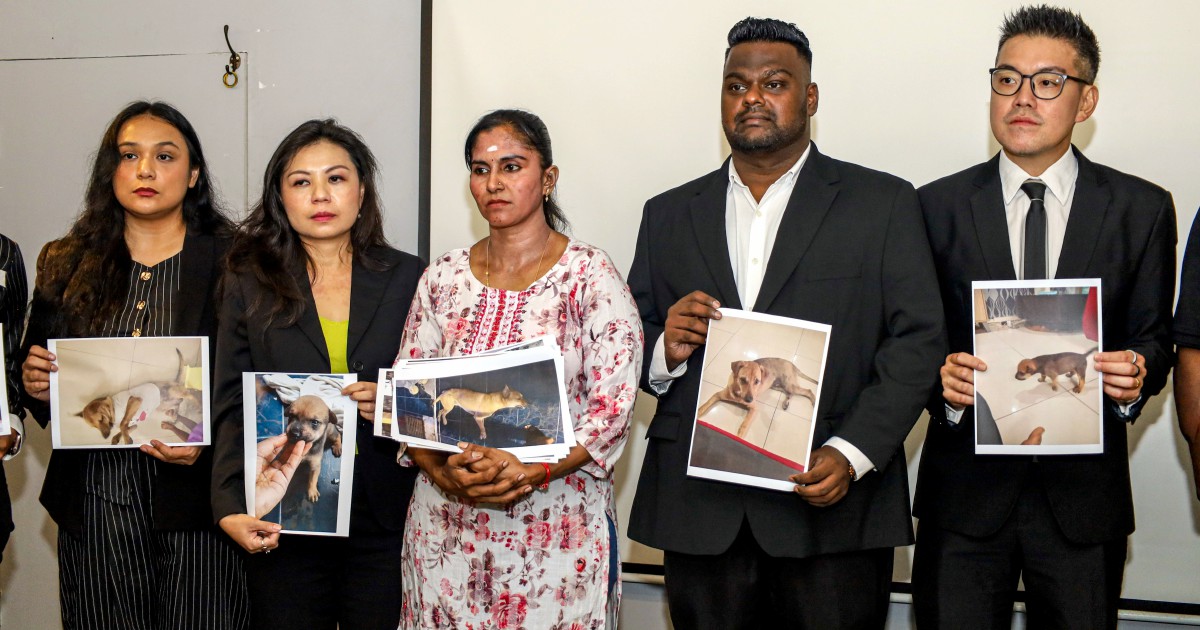
The death of Rocky, a pet dog in Taman Teluk Gedung Indah, Port Klang, has ignited renewed concerns about the standards and safety protocols governing stray animal capture operations in Malaysia. The incident, in which the animal was allegedly beaten during an attempt to catch loose dogs in the residential area, has prompted the pet owner to demand a thorough and transparent investigation into what took place and the procedures that were followed during the operation.
The circumstances surrounding Rocky's death point to broader questions about how local authorities and contractors manage stray dog populations across urban and suburban areas. Animal welfare advocates have long flagged inconsistencies in how different enforcement teams handle stray animals, with anecdotal reports suggesting that catch methods sometimes prioritise speed and containment over the humane treatment of the animals involved. The incident in Port Klang appears to crystallise these concerns into a specific case that demands accountability.
For residents of Taman Teluk Gedung Indah and similar neighbourhoods, the situation presents a difficult tension. While many community members acknowledge the need to manage stray dog populations—which can pose genuine safety and health risks—the method and manner of such operations remain contentious. The death of a pet dog during an operation ostensibly aimed at controlling strays has alarmed residents who fear that their own animals could be caught in the crossfire of such enforcement actions.
The Port Klang incident also raises questions about communication and transparency between local authorities and residents. Many suburban and urban communities lack clear information about when and where stray dog catching operations will occur, what methods will be used, and what safeguards exist to protect pets. This information gap can leave pet owners uncertain about how to prepare and protect their animals, and can breed mistrust when incidents occur.
Investigative scrutiny of the standard operating procedures governing these operations is warranted. If formal SOPs exist, they should specify training requirements for personnel, acceptable and prohibited methods of restraint and capture, protocols for identifying stray versus owned animals, and mechanisms for responding to complaints or accidents. If such standards are inadequate or inconsistent, this incident provides a practical justification for review and reform.
The role of contractors in stray dog management adds another layer of complexity. In many local authorities, the actual catching and handling of animals is subcontracted to private companies, sometimes with minimal oversight. The training, accountability, and incentive structures for these contractors can vary widely, potentially creating situations where cost-cutting or speed takes precedence over animal welfare. A transparent investigation should examine not only what happened to Rocky, but also the contractual terms, supervision arrangements, and complaint mechanisms that govern such work.
Malaysia's animal welfare laws, including the Animal Welfare Act 2015, establish that animals should not be subjected to unnecessary pain or suffering. Beating an animal during capture would appear to violate this principle. However, the practical application of these protections is inconsistent, and enforcement of animal welfare standards during stray dog operations remains weak in many jurisdictions. This case could serve as a catalyst for strengthening enforcement and accountability in this area.
The emotional and practical impact on the pet owner and the community should not be minimised. Beyond the loss of a beloved animal, residents must grapple with the unsettling knowledge that a routine enforcement operation resulted in harm rather than problem-solving. This erodes public confidence in local authority competence and trustworthiness. For the investigation to be truly meaningful, it must acknowledge these impacts and demonstrate that lessons have been learned.
Moving forward, Malaysian local authorities and animal management agencies should consider implementing a range of reforms. These could include mandatory training and certification for animal capture personnel, the use of non-lethal restraint and sedation methods where appropriate, clearer communication with residents about scheduled operations, and more robust independent oversight and complaint mechanisms. Some jurisdictions have successfully adopted community-based approaches to managing stray dog populations, emphasising sterilisation, vaccination, and adoption programmes over aggressive capture and removal.
The incident in Port Klang also highlights the broader Southeast Asian context. Many countries in the region struggle to balance stray animal management with animal welfare concerns, often lacking the funding and institutional capacity to implement humane solutions at scale. Malaysia, with stronger regulatory infrastructure than some neighbours, has an opportunity to model best practices that other countries might eventually emulate.
Peers in developed countries have demonstrated that effective stray dog management is possible without resorting to harmful catch methods. The investigation into Rocky's death should therefore reach beyond the immediate incident and examine what systemic reforms could prevent similar tragedies while still addressing genuine public health and safety concerns posed by unmanaged stray populations. The legitimacy of the entire animal management system depends on demonstrating that it can operate humanely and accountably.

