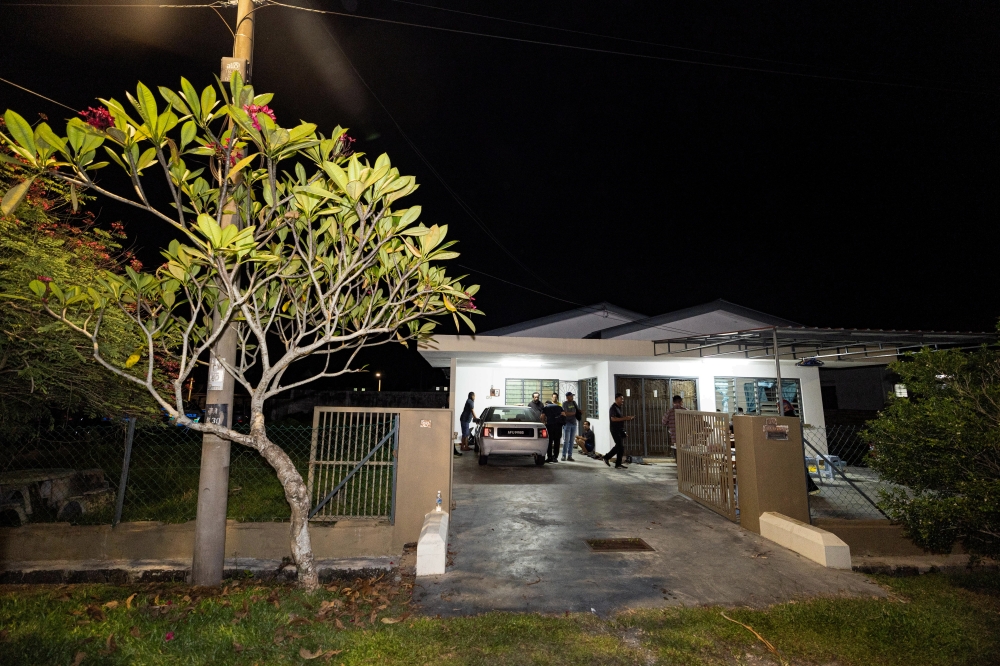
Police in Perak have launched a formal murder investigation after a 54-year-old man was discovered dead at a nursing home in Tanjung Rambutan, marking an escalation in scrutiny surrounding the care and oversight of vulnerable residents in such facilities. The discovery has triggered immediate alarm among authorities and the public alike, particularly given the sensitive nature of allegations now being examined.
The case represents a significant development in how Malaysia's law enforcement approaches incidents within care facilities, traditionally an area that has received comparatively less regulatory attention than hospitals and clinics. The decision to classify the death as a potential criminal matter rather than a medical emergency underscores the preliminary evidence gathered at the scene and during initial inquiries. Such determinations typically follow careful assessment by responding officers, medical personnel, and preliminary autopsy findings.
Tanjung Rambutan, located in Perak's Ipoh district, has emerged as a focal point in broader conversations about the condition and management of residential care homes across Malaysia. The facility's prominent profile in this incident will inevitably draw regional scrutiny, particularly from family advocacy groups and residents' rights organisations that have long expressed concerns about minimum operational standards and staff training protocols in the private care sector.
The circumstances surrounding the death remain under active investigation, with police gathering statements from facility staff, residents, and visitors who may have information relevant to establishing a timeline and sequence of events. Such investigations typically involve securing the premises, preserving evidence, and conducting detailed interviews that can extend over weeks or months depending on complexity and findings. The investigative process will determine whether the death resulted from criminal negligence, assault, or other actionable circumstances that would warrant charges.
This incident arrives amid ongoing national conversations about the adequacy of oversight mechanisms governing private care facilities. Malaysia's care home sector, which serves an ageing population and individuals with disabilities, operates across a patchwork of regulations and guidelines that vary by state and sometimes lack clear enforcement mechanisms. The incident at Tanjung Rambutan will likely reinvigorate calls from various quarters for standardised national protocols, mandatory staff certification, and regular independent inspections.
The death's investigation also reflects evolving public expectations around institutional accountability. Families entrusting elderly relatives or vulnerable dependents to care facilities place considerable faith in operators' professionalism and commitment to duty of care—a responsibility that criminal investigations implicitly challenge when launched. Such probes can therefore have profound reputational and operational consequences for facilities, extending beyond the immediate institution to broader sectoral confidence.
For Malaysian readers, particularly those with aging parents or family members in care facilities, the incident serves as a sobering reminder of the importance of maintaining regular contact, establishing clear communication channels with staff, and remaining vigilant about residents' wellbeing. The prevalence of care homes across urban and semi-urban Malaysia means many families navigate these decisions regularly, often with limited information about comparative quality or safety records.
The Perak Police investigation will necessarily examine facility documentation, including medical records, incident logs, and staffing schedules that might illuminate the circumstances preceding the discovery. Authorities will also liaise with the Perak Health Department and potentially the Malaysian Medical Council if healthcare practitioners employed at the facility require scrutiny regarding their conduct or adherence to professional standards.
International perspectives on care facility standards offer instructive lessons for Malaysia's regulatory framework. Jurisdictions with robust inspection regimes, transparent reporting requirements, and clear accountability mechanisms typically report fewer incidents of institutional neglect or abuse. Such comparative models may inform ongoing discussions among policymakers, though implementation challenges remain significant given resource constraints and the diffuse nature of the care sector.
The investigation's progression will unfold through several predictable stages: initial evidence gathering, post-mortem findings, formal witness statements, and potentially forensic examination of the facility environment. Depending on preliminary conclusions, prosecutors may eventually determine whether criminal charges are warranted against individuals or whether the matter constitutes civil or administrative liability only. Throughout this process, the facility itself will remain under heightened attention from regulators and the public.
Beyond the immediate criminal inquiry, this death will likely catalyse broader institutional responses. Family associations may demand meetings with health authorities, industry groups may convene to discuss safety protocols, and policymakers may fast-track pending legislative reforms addressing care facility standards. Such systemic responses, though emerging from tragedy, can ultimately strengthen protective frameworks for vulnerable populations.
As the investigation continues, the case serves as a crucial moment for reflection on how Malaysian society manages institutional care and whether current regulatory structures adequately protect some of the nation's most vulnerable citizens. The Perak Police findings will provide definitive answers regarding this specific incident, but the broader questions surrounding care facility governance will persist until addressed through coordinated policy reform and enhanced oversight.

