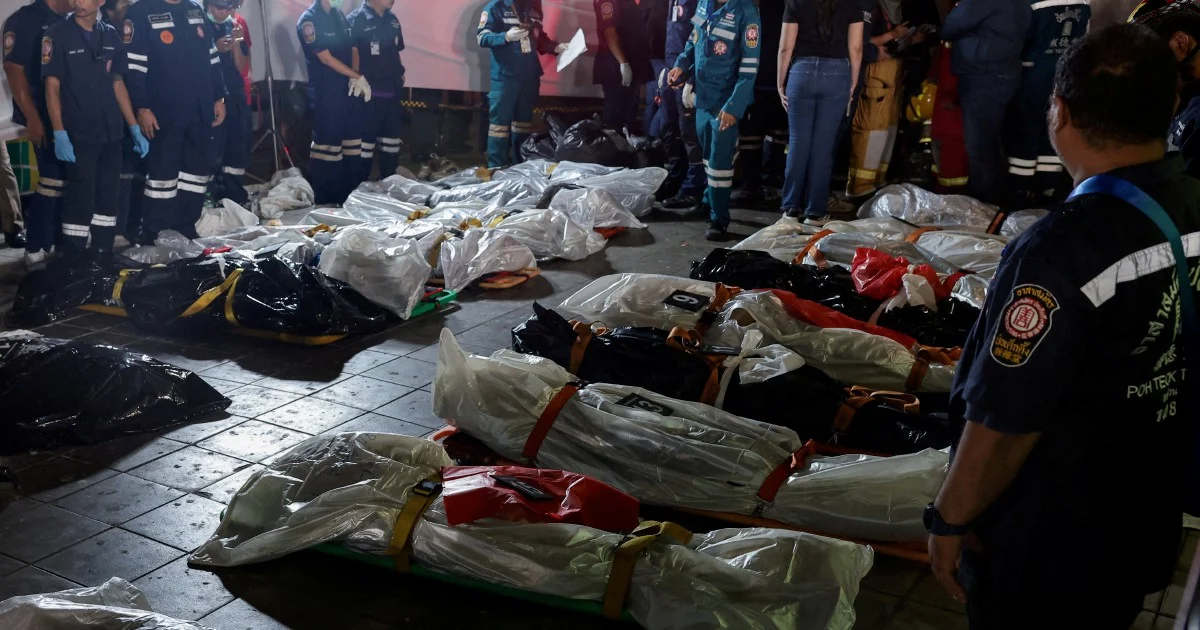
Tragedy struck the Thai capital on Sunday night when a massive fire engulfed a bar in Bangkok, leaving at least 27 people dead in what emerged as one of the country's deadliest entertainment venue disasters in recent years. Prime Minister Anutin Charnvirakul confirmed the grim casualty figure to domestic media outlets, marking a sobering moment for Thailand's tourism and nightlife industries already grappling with operational uncertainties. The incident immediately drew international attention and raised fresh scrutiny on fire safety protocols at commercial establishments throughout the kingdom.
The overnight blaze spread rapidly through the Bangkok bar, overwhelming patrons who were caught inside the venue. Emergency responders mobilised quickly to the scene, though the speed and ferocity of the flames proved devastating to those trapped within. Initial reports suggested the fire moved with frightening velocity, giving many occupants limited time to escape. The chaotic scenes that unfolded as workers and guests attempted to flee the burning structure underscored the critical importance of accessible exits and functioning emergency systems in crowded nighttime venues.
Investigators will now focus on determining how the fire originated and spread so catastrophically. Fire safety experts point to multiple potential contributing factors in Bangkok bar fires, including overcrowding, blocked emergency exits, inflammable interior decorations, and inadequate fire suppression equipment. The specific circumstances of this incident will likely involve detailed examination of the establishment's safety compliance record, building permits, and whether proper inspections had been recently conducted. Thai authorities have signalled their intention to conduct a comprehensive inquiry into the incident.
The incident carries profound implications for Southeast Asia's hospitality and entertainment sectors, which have grown substantially across the region and increasingly host international visitors. Thailand's nightlife economy generates significant revenue and employment, particularly in Bangkok where bars and clubs operate in densely populated areas. However, this disaster highlights the tension between rapid commercial development and rigorous adherence to safety standards. Many similar establishments across the region may now face increased regulatory pressure and potential operational reviews.
From a Malaysian perspective, this tragedy serves as a stark reminder of the need for vigilant fire safety enforcement in our own entertainment venues. While Malaysia maintains its own building codes and safety regulations, incidents like the Bangkok fire demonstrate how quickly circumstances can spiral beyond control if basic precautions are compromised or inadequate. Industry observers suggest that Malaysian authorities should use this moment to review compliance levels at comparable establishments and ensure that evacuation procedures remain robust and regularly tested.
The loss of 27 lives represents an immense human tragedy with profound consequences for families and communities affected by the disaster. Each victim represents a disrupted life and grieving relatives, making this far more than a statistical event. The psychological impact on survivors, witnesses, and first responders will extend well beyond the immediate crisis. Support services and trauma counselling will likely be required across affected groups as the region processes this devastating occurrence.
Thailand has experienced notable fire disasters at entertainment venues before, yet this incident suggests that systemic vulnerabilities persist despite previous tragedies. The pattern of such incidents across Southeast Asia points toward ongoing challenges in maintaining consistent safety standards, particularly in crowded entertainment districts where regulatory oversight may be sporadic or inconsistent. The commercial pressures to maximise capacity and minimise operational costs sometimes create conditions where safety measures are deprioritised, a dynamic that transcends individual countries.
Immediate government responses typically include enhanced inspections of similar establishments, potential prosecutions for safety violations, and pledges to strengthen enforcement mechanisms. Prime Minister Charnvirakul's involvement in publicly confirming casualty figures signals that Thai leadership recognises the severity of the situation and the need for demonstrable governmental action. Whether these responses translate into sustained, meaningful improvement in safety culture remains a significant question for Thai authorities and the broader business community.
The economic ripple effects of such disasters extend beyond immediate casualties. International media coverage and social media amplification of tragic events can influence travel decisions and business confidence in affected destinations. Thailand's tourism industry, while resilient, faces temporary perception challenges following high-profile disasters. The incident also affects workers and business owners whose livelihoods depend on the hospitality sector, creating secondary economic consequences beyond the venue itself.
Longer-term implications include potential regulatory tightening across Thailand and possibly increased regional cooperation on safety standards. Insurance companies and business associations may push for higher compliance standards as a means of reducing future risks and associated liability. For Malaysian readers and business operators, this moment underscores the importance of treating safety protocols not as compliance burdens but as fundamental operational requirements that protect workers, customers, and commercial viability alike.

