Kuala Lumpur City Hall (DBKL) has unveiled a trio of regulatory reforms designed to ease the operational burden on business owners across the capital, signalling a deliberate shift toward creating a more hospitable commercial environment. The measures—which set a standardised monthly fee of RM30 per set for tables and chairs on five-foot ways, streamline the approval pathway for minor structural works, and expedite the reopening of premises temporarily shuttered for hygiene violations—represent a concerted effort to reduce administrative friction without compromising public safety or access standards.
The initiative to establish a fixed fee structure for sidewalk seating addresses long-standing concerns among food and beverage operators who have historically faced inconsistent pricing and opaque fee-setting mechanisms. Under the new framework, traders seeking to place tables and chairs in pedestrian walkways must apply through their respective DBKL branch offices, with decisions hinging on whether the location suits commercial use and whether the five-foot way has sufficient width to accommodate such furnishings. Critically, approval remains conditional on maintaining unobstructed pedestrian passage, wheelchair accessibility, and clear routes for emergency vehicles—safeguards that underscore DBKL's commitment to balancing merchant interests against public welfare and accessibility rights.
The second reform targets the permitting process for minor construction and renovation works that pose minimal structural or safety risk, such as tile replacement or ceiling repairs. Rather than requiring applicants to navigate multiple approval layers, traders now need only complete a simple notification form and submit it to their local DBKL branch office. This direct-issuance model eliminates unnecessary intermediary steps, allowing low-risk projects to proceed without the delays that have historically frustrated small business owners seeking to maintain or upgrade their premises. The approach reflects a growing recognition within municipal administration that overly rigid processes can stifle entrepreneurial activity and that risk-based regulation—where scrutiny is calibrated to actual danger—offers a more efficient governance model.
Perhaps most significantly for the food service sector, DBKL has introduced a rapid-turnaround policy for premises closed due to hygiene breaches. Previously, reopening timelines were uncertain and could stretch indefinitely, leaving operators in financial limbo. The new protocol permits premises to reopen as soon as 24 hours after completion of cleaning work, provided that DBKL inspectors conduct a verification inspection and confirm compliance with all food safety and hygiene standards. This measure recognizes that extended closure periods can devastate small operators, yet the requirement for post-cleaning inspection ensures that regulatory standards are not relaxed merely for administrative convenience.
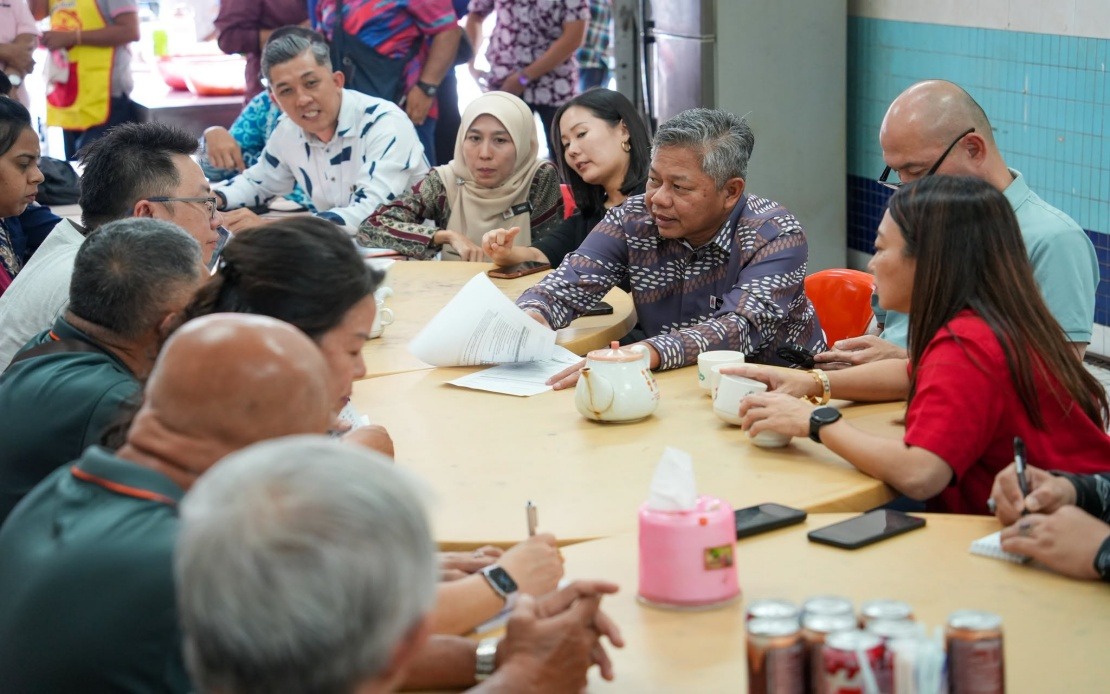
These reforms emerged from direct engagement between DBKL leadership, Minister in the Prime Minister's Department (Federal Territories) Hannah Yeoh, Mayor Datuk Seri Fadlun Mak Ujud, and representatives from key business associations, including the Selangor and Kuala Lumpur Chinese Coffee Shop and Tea Shops Owners' Association and the Malaysian Muslim Restaurant Owners' Association (PRESMA). The collaborative process underscores a broader shift toward consultation-based policymaking in municipal governance, where trader feedback directly shapes regulatory design rather than being solicited retrospectively.
DBKL has explicitly stated that these reforms apply uniformly to all traders who satisfy the requisite criteria, irrespective of background or premises type. This egalitarian framing is particularly notable given Malaysia's multi-ethnic commercial landscape and historic concerns about differential regulatory treatment. By anchoring eligibility in objective criteria rather than discretionary assessments, the authority aims to reduce opportunities for inconsistent enforcement and the perception of favouritism that can erode business confidence.
The standardization of procedures across all DBKL branch offices represents an under-appreciated dimension of these reforms. Previously, variations in how different constituencies applied regulations created confusion and competitive disadvantages for traders navigating multiple branch jurisdictions. Consistent, clearly documented processes provide traders with predictability and reduce scope for officers to apply rules disparately. This uniformity also streamlines training and quality assurance for municipal staff, reducing the margin for interpretative error or corruption.
From a regional perspective, these reforms position Kuala Lumpur as a city responsive to business sector concerns and willing to recalibrate regulations for efficiency. Neighbouring cities across Southeast Asia face comparable pressures to balance safety enforcement with commercial vitality, and DBKL's approach—particularly its risk-based permitting for minor works—offers a potential template for peer municipalities grappling with similar tensions. The relatively low monthly fee for sidewalk seating, meanwhile, may influence how other jurisdictions price similar permissions, potentially lowering costs for traders operating across multiple markets.
The implicit philosophy underpinning these changes reflects a recognition that excessive regulatory burden, even when well-intentioned, can push traders toward informality or relocation to less regulated jurisdictions. By reducing permit costs, accelerating approvals, and maintaining predictable reopening pathways, DBKL acknowledges that transparent, efficient administration strengthens tax compliance and municipal revenue while supporting livelihoods. This outcome-oriented approach contrasts with purely procedural regulation focused on demonstrating authority rather than enabling economic activity.
Implementation success will depend heavily on capacity within DBKL branch offices to handle potentially higher application volumes and on officer training to ensure consistent application of the new criteria. The authority's commitment to avoiding trade-offs between operational ease and safety suggests it will invest in sufficient staffing and quality control. Nonetheless, traders and consumer advocacy groups should monitor whether the promised 24-hour hygiene-closure turnaround and streamlined minor works approvals materialise consistently across all constituencies or whether bottlenecks and delays persist in practice.
The reforms also reflect shifting political priorities within Kuala Lumpur's governance structure. Hannah Yeoh's involvement in consultations with business associations signals that the Federal Territories ministry is actively engaged in municipal commercial policy, a departure from periods when such matters received less high-level attention. Whether these reforms signal a sustained reorientation toward business-friendly administration or represent a tactical initiative remains to be seen, but the collaborative consultation model they employed merits continuation and expansion to other regulatory domains.

