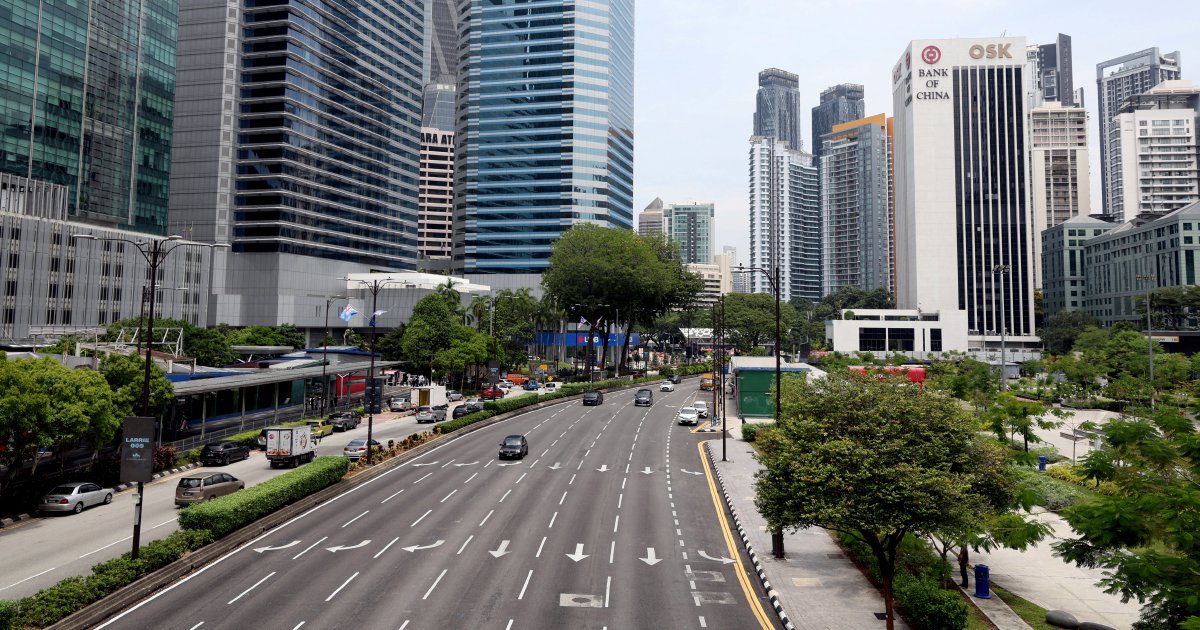
Kuala Lumpur City Hall (DBKL) has moved swiftly to address public safety concerns following a fatal tree-fall incident by launching a full technical investigation and commencing systematic inspections of mature and potentially hazardous trees positioned along the capital's primary road networks. The incident has prompted heightened scrutiny of tree management practices across the city, raising questions about maintenance standards and risk assessment protocols that have long been areas of concern for residents and municipal authorities.
The investigation represents a significant escalation in the city's approach to urban forestry management, signalling recognition among officials that existing oversight mechanisms may require substantial strengthening. DBKL's decision to prioritise mature trees along major thoroughfares reflects the heightened risk profile these locations present, given the volume of pedestrian and vehicular traffic that passes beneath them daily. The concentration of resources on principal roads suggests a risk-based strategy designed to protect the highest-density population centres first, though it also implies that secondary streets and residential areas may face longer waits for comprehensive assessment.
The scope of this investigation extends beyond immediate incident response into broader questions about urban tree management standards. Malaysian cities, particularly Kuala Lumpur with its tropical climate and aggressive urban development, maintain extensive tree canopies that require careful monitoring. The balance between preserving green infrastructure for environmental and aesthetic benefits and ensuring public safety remains a persistent challenge facing municipal administrators throughout the region. Inadequate maintenance cycles, improper pruning techniques, and failure to remove visibly diseased or structurally compromised specimens have historically contributed to such incidents.
Tree-related accidents in tropical urban environments often stem from a combination of factors that operate simultaneously. Heavy rainfall, which is characteristic of Malaysia's monsoon seasons, increases soil saturation and can compromise root stability. Simultaneously, mature trees may develop internal decay or structural weaknesses that remain invisible to casual inspection. Wind events, even those of moderate strength, can prove fatal when trees are already compromised. The timing of DBKL's comprehensive inspection initiative suggests recognition that preventive assessment is more effective and economical than managing repeated emergencies and public liability claims.
For Kuala Lumpur residents, the initiative carries both reassuring and concerning implications. The reassurance stems from visible municipal action responding to a tragedy; the concern reflects the likely reality that comprehensive inspection of thousands of trees will require months or even years to complete fully. Residents living or working along major arterial roads may expect temporary disruptions as DBKL's teams assess tree health and remove identified hazards. The process will necessarily involve specialist arborists capable of evaluating structural integrity, disease presence, and risk factors that standard visual inspection cannot reveal.
The technical investigation component suggests DBKL is seeking to understand the specific circumstances that led to the collapse, with findings potentially informing revisions to city-wide protocols. Was the tree exhibiting visible warning signs that were overlooked? Had it undergone recent pruning that compromised its structural integrity? Did drainage issues or soil problems contribute to root system failure? Answers to such questions will determine whether blame lies primarily with inadequate maintenance or with circumstances beyond reasonable municipal control. The investigation's transparency will significantly influence public confidence in subsequent remedial measures announced by the city authority.
Southeast Asian municipalities increasingly face pressure to demonstrate competent management of urban environmental assets, particularly as extreme weather events become more frequent and severe. Kuala Lumpur's response to this incident will be closely observed by other Malaysian cities and regional peers grappling with similar challenges. The approach taken—whether reactive crisis management or genuine systems overhaul—will signal whether urban authorities can effectively balance development pressures, environmental preservation, and public safety. Neighbouring cities facing comparable urban forestry challenges will likely reference how DBKL addresses this incident when developing their own standards and protocols.
The investment required to conduct thorough assessment and remediation of high-risk trees across a city of Kuala Lumpur's size and complexity will be substantial. Budget allocation, staffing levels, and the engagement of external expertise will determine whether this initiative represents genuine systemic improvement or merely performative response to public concern. Municipal authorities throughout Southeast Asia operate under significant fiscal constraints, and competing budgetary demands often leave urban forestry underfunded relative to actual safety requirements. DBKL's commitment to comprehensive inspection must therefore be evaluated within the context of whether adequate resources will be sustained across multiple inspection cycles and seasons.
Residents should anticipate DBKL releasing preliminary findings and risk assessments once initial inspections conclude. The authority faces pressure to provide transparent information about specific locations where trees have been identified as presenting unacceptable hazard levels, as well as timelines for remedial action. Public communication about tree removal, pruning, or relocation decisions will be crucial in maintaining community support for what will inevitably be an extended and expensive undertaking. The incident demonstrates that despite Kuala Lumpur's status as a modern metropolitan centre, fundamental infrastructure maintenance challenges persist, particularly those involving living systems that operate according to biological rather than engineering timelines.
Looking forward, this investigation should prompt broader reflection about urban forestry management across Malaysia. Many cities operate without comprehensive tree inventories or systematic assessment protocols. Professional arborists remain scarce relative to actual demand, and training programmes have not kept pace with expanding urban tree populations. DBKL's response to this incident offers an opportunity to establish best-practice standards that could be adopted across the country. Collaboration between municipal authorities, arboricultural specialists, and research institutions could eventually yield Malaysian-specific guidelines adapted to tropical conditions, urban density patterns, and climate realities that differ significantly from frameworks developed in temperate regions.
The human cost of the fatal tree collapse cannot be separated from the technical and administrative dimensions of DBKL's response. While investigation and inspection protocols are necessary, they are fundamentally reactive measures designed to prevent future occurrences. This incident underscores the reality that living urban landscapes require constant, knowledgeable stewardship. As Kuala Lumpur continues expanding its urban footprint and intensifying development along existing corridors, the question of how to safely maintain mature trees within increasingly constrained spaces will become more pressing. DBKL's willingness to invest in this investigation and resulting inspection programme suggests at least some recognition that public safety and environmental stewardship are not optional amenities but fundamental obligations of urban governance.

