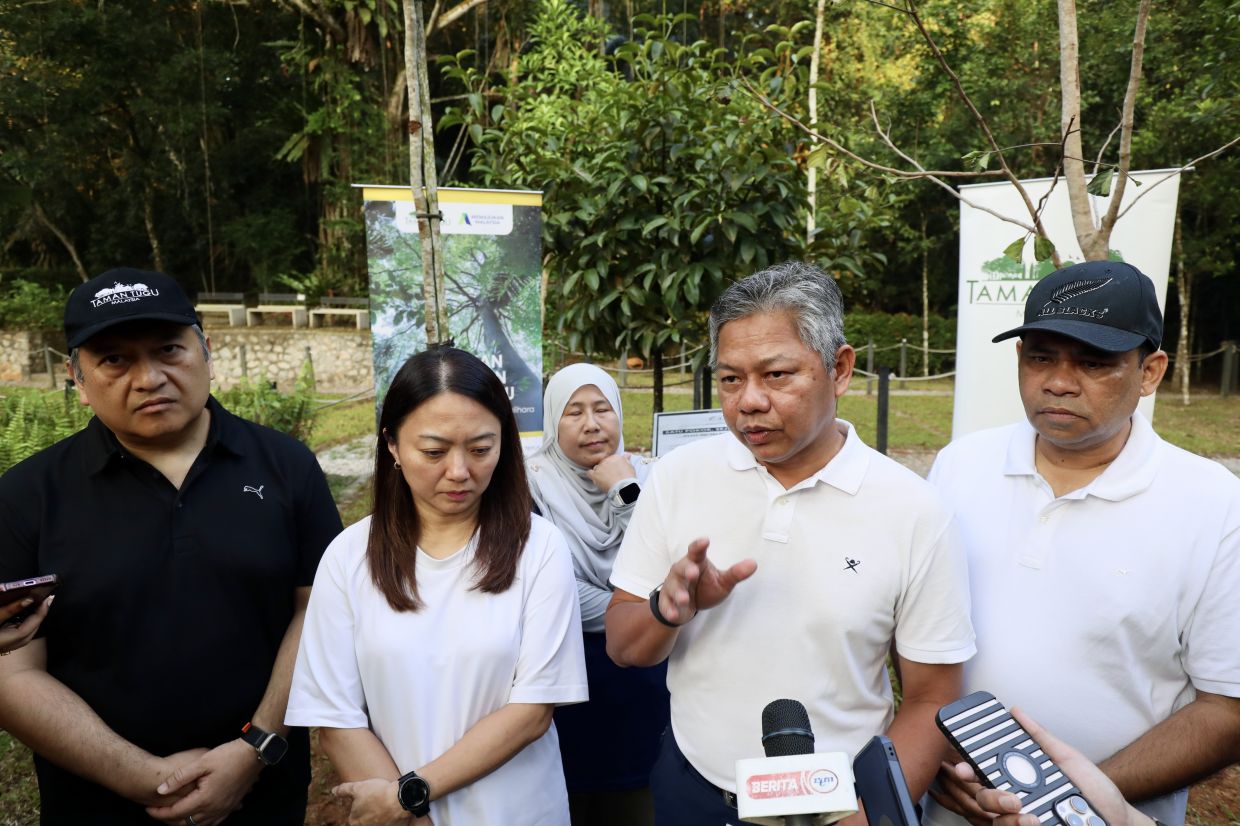
Kuala Lumpur City Hall (DBKL) is advancing its approach to urban forestry by installing 200 sensors across the capital to continuously track the structural integrity and health of potentially hazardous trees. The initiative represents a significant technological upgrade to how Malaysia's largest city manages its urban canopy, moving from traditional inspection methods to a data-driven system that can flag problems before they pose a safety threat to residents and infrastructure. According to DBKL mayor Datuk Seri Fadlun Mak Ujud, this sensor deployment constitutes the second phase of a comprehensive tree management strategy that commenced earlier this year with the successful digital mapping of 25,000 trees throughout Kuala Lumpur.
The foundational work that enables this monitoring phase was accomplished through a tree census conducted with support from the Digital Ministry, which created a detailed inventory of the city's woody vegetation. This mapping exercise served a dual purpose: it allowed city planners to establish a baseline understanding of tree distribution and condition across neighbourhoods, while simultaneously identifying specimens that would benefit from intensified observation. The digital registry has essentially transformed what was previously anecdotal knowledge about Kuala Lumpur's trees into actionable intelligence that city managers can now leverage for preventive maintenance and strategic planning.
The sensor technology itself represents a practical application of Internet of Things capabilities to municipal infrastructure. Each of the 200 devices will be mounted approximately 1.2 metres above ground level on carefully selected trees, with data transmission piped directly to DBKL's control centre. This configuration allows for continuous monitoring that captures fluctuations in tree stability, water stress, structural strain, and other indicators of declining health. By receiving real-time alerts rather than relying on periodic manual inspections, city authorities can respond swiftly to emerging dangers, potentially preventing the tree collapses that occasionally cause damage to vehicles, property, and occasionally injure pedestrians during storms or heavy wind events.
What distinguishes this programme from conventional reactive tree management is its emphasis on preservation over removal. Rather than adopting an approach that defaults to felling trees deemed problematic, Fadlun articulated a philosophy centred on maintaining mature specimens wherever possible. Areas targeted for sensor installation include locations with established, long-standing trees—notably the venerable specimens lining Jalan Ampang—where cutting down trees would eliminate irreplaceable features of the urban landscape. The strategy instead focuses on supportive interventions such as branch reinforcement, which can extend the safe operational life of a tree while retaining its aesthetic and environmental benefits.
This preservation-oriented methodology carries significant implications for how Southeast Asian cities approach green infrastructure as they grapple with rapid urbanisation and infrastructure demands. Mature trees provide cooling effects that reduce urban heat island impacts, capture stormwater, sequester carbon, and contribute to urban biodiversity—benefits that take decades to accumulate. A tree removed cannot be replaced in function within a human lifespan. By investing in monitoring and targeted maintenance rather than blanket removal, Kuala Lumpur is making a long-term commitment to sustaining its environmental assets. The sensor programme essentially buys time and information, allowing arborists to make informed decisions about whether a tree can be saved or whether removal is truly necessary.
Beyond the monitoring phase, DBKL has committed to planting 200 new trees as part of its broader greening initiative, though funding mechanisms for this expansion remain under development. This dual approach—preserving existing mature trees while expanding canopy coverage—reflects recognition that addressing urban forestry holistically requires both defensive and expansive strategies. The new plantings will take years to mature, making the preservation of existing mature trees all the more critical for maintaining Kuala Lumpur's current green coverage levels during the growth period.
The programme received endorsement from Hannah Yeoh, Minister in the Prime Minister's Department (Federal Territories), who articulated a broader vision for Kuala Lumpur's future as a green city. Yeoh expressed concern about development pressures that could erode remaining green spaces, emphasising that the capital has sufficient commercial infrastructure and would benefit more from additional urban greening rather than further development. This ministerial backing signals political commitment at a level above city administration, potentially facilitating resource allocation and policy support for the tree monitoring and planting initiatives. Her statement also reflects an apparent shift in official thinking about development priorities, suggesting that environmental sustainability and quality-of-life considerations are gaining weight in urban planning discourse at the federal level.
Financial support for these efforts is coming from multiple sources. The Ministry of Federal Territories contributed RM50,000 toward tree maintenance and planting at Taman Tugu specifically, with DBKL matching that investment. This cost-sharing arrangement demonstrates a collaborative funding model that could be replicated across other urban forestry initiatives. The Taman Tugu Plot Adoption Programme itself exemplifies a participatory approach to green space management, bringing together government agencies, private sector partners, community organisations, and individual volunteers in a coordinated restoration effort. Under this programme, 9-square-metre plots within the park are being planted with native Malaysian forest tree species, reinforcing ecological authenticity while strengthening the ecosystem resilience of this urban green space.
The emphasis on native species selection carries particular significance for tropical urban ecology. Native trees are adapted to local climate conditions, soil types, and precipitation patterns, requiring less intensive maintenance while supporting local fauna accustomed to these species. By deliberately choosing indigenous Malaysian forest species for Taman Tugu, planners are creating a more ecologically robust and self-sustaining urban forest pocket that can provide habitat corridors for urban wildlife. This approach contrasts with some urban forestry practices that prioritise ornamental non-native species chosen primarily for aesthetic appeal without considering ecological functionality.
For Malaysian observers, the Kuala Lumpur initiative offers a model of technology-enabled environmental stewardship that other major cities in the region might consider adopting. As Southeast Asian capitals expand and densify, the challenge of maintaining liveable urban environments while accommodating growth becomes increasingly acute. Sensor-based tree monitoring provides a tool for making this balance more manageable by transforming trees from passive landscape elements into monitored infrastructure assets. The real-time data generated could inform not only immediate safety decisions but also long-term urban planning, helping city authorities understand how different neighbourhoods' tree populations are responding to urbanisation pressures and climate variations.
The sensor deployment also addresses a persistent challenge in tropical urban environments: the tendency for severe weather events and high humidity to accelerate tree deterioration while simultaneously making trees more likely to fail catastrophically. Real-time monitoring can help distinguish between trees that appear unhealthy but are structurally sound from those that pose genuine hazards, reducing unnecessary removals while ensuring that genuinely dangerous specimens are addressed before incidents occur. This data-informed differentiation should improve both public safety outcomes and the overall quality of Kuala Lumpur's urban environment.

