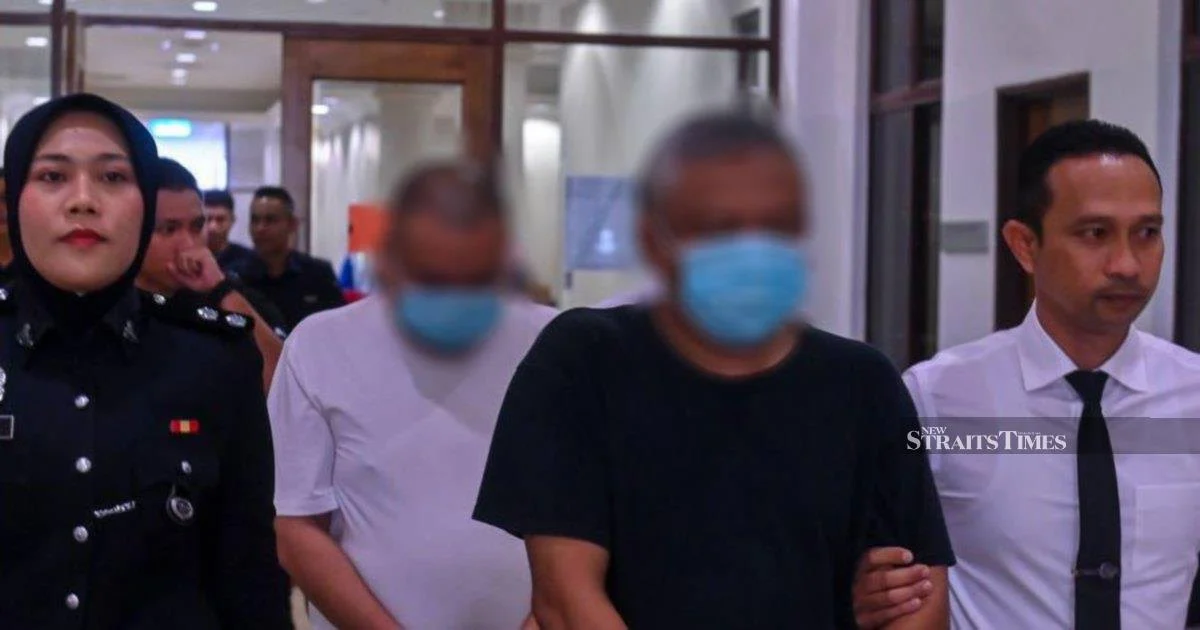
Authorities in Kuantan have made arrests in connection with an investigation into the production of fraudulent official documents, marking another case in a persistent pattern of misuse of royal insignia for financial gain. The detained individuals include a businessman holding the title of Datuk and his administrative assistant, both of whom face allegations surrounding the creation and potential circulation of forged letters that bore the coat of arms belonging to the Tengku Mahkota of Pahang.
The discovery of the counterfeit documentation came to light as police pursued leads into suspected fraud activity. The forged letters, which falsely displayed the official seal and insignia of one of Peninsular Malaysia's most senior royal positions, would have carried significant weight in commercial and personal transactions if successfully deployed. Such documents could be used to lend false legitimacy to business proposals, secure loans, or manipulate parties into unfavourable financial arrangements.
This incident illustrates the ongoing vulnerability of official seals and symbols to criminal exploitation in Malaysia. The abuse of royal insignia represents not merely a crime against individuals but an affront to institutional authority and public trust in official documentation. Criminals have long understood that a letter bearing authentic-looking royal credentials carries enormous persuasive power in society, particularly in a nation where respect for the monarchy runs deep through cultural and constitutional foundations.
The involvement of a titled businessman in such allegations raises troubling questions about how professional standing and formal recognition can be misused as cover for criminal enterprise. Datuk titles, conferred as honours for various contributions to society, carry social prestige that may inadvertently provide cover for unscrupulous activities. The arrest demonstrates that official honours do not shield individuals from accountability when they cross into illegal conduct.
The assistant's arrest suggests this was not a solitary operation but a coordinated scheme requiring multiple participants. Administrative support personnel often play critical roles in document fraud, handling the technical aspects of reproduction, distribution, or coordination. Their involvement indicates a level of planning and infrastructure that goes beyond opportunistic crime.
Forged royal correspondence has featured in various fraud schemes across Malaysia and the broader region. Previous cases have shown how criminals use fabricated letters purporting to come from royal houses, government offices, or financial institutions to extract money through advance-fee schemes, loan fraud, or property swindles. Each such case erodes public confidence in the verification processes that should protect citizens from deception.
The Tengku Mahkota of Pahang holds constitutional significance as the heir to the Pahang throne and plays an important ceremonial and advisory role within Malaysia's complex federal structure. Misuse of his official insignia carries implications beyond simple document forgery; it undermines respect for institutions that form the backbone of governance and social order.
Investigators would likely examine how widely the forged documents circulated, what transactions they facilitated, and whether substantial financial losses resulted from their use. The scope of the operation—whether it targeted one victim or multiple parties—will determine the severity of charges and potential penalties. Malaysian law treats document forgery seriously, particularly when official or royal seals are involved.
The case arrives amid broader discussions about document security and authentication in Malaysia. While digital verification systems continue to advance, traditional paper-based documents remain common in many transactions. Banks, government agencies, and private institutions sometimes struggle to distinguish sophisticated forgeries from genuine documents, especially when criminals invest effort into replicating security features.
For Malaysian businesses and individuals, incidents like these serve as cautionary reminders about verifying communications purporting to come from royal houses or senior government figures. Legitimate official correspondence typically follows established channels and can be authenticated through direct contact with relevant institutions. Claims requiring urgent action or promising unusual benefits should trigger heightened skepticism.
The arrest also highlights the work of police fraud units in detecting and investigating complex document crimes. Tracking down those responsible for producing forged royal correspondence requires technical expertise, coordination across agencies, and persistence in building cases that will withstand legal scrutiny.
As investigations continue, authorities will work to determine whether additional charges may be warranted and whether other individuals were involved. The case will likely conclude with prosecution in the Kuantan courts, where Pahang's legal jurisdiction applies. Successful prosecution should send a clear message that misuse of royal insignia carries serious consequences, regardless of the status or connections of those involved.

