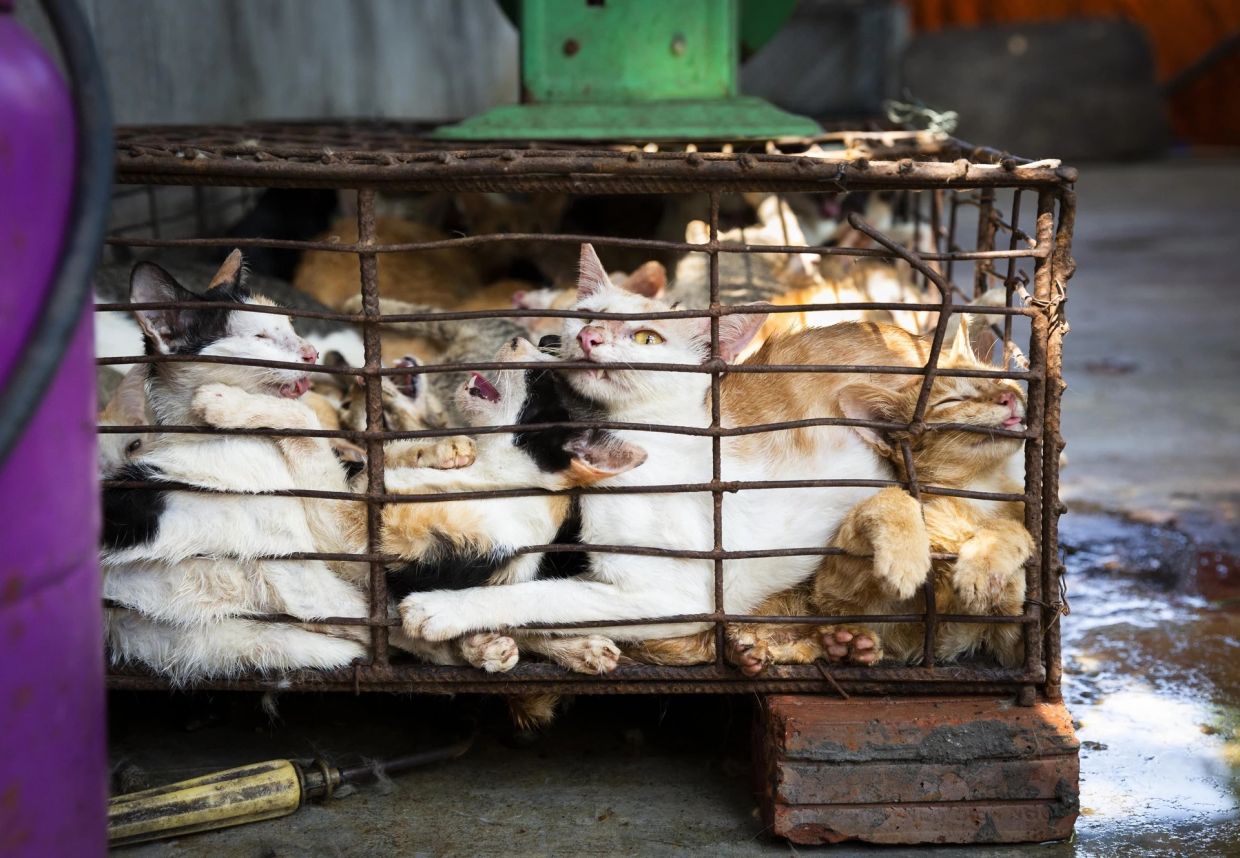
A thriving underground trade in cat meat persists across Indochina, sustained largely by deeply rooted superstitions linking feline consumption to good fortune and healing properties. International animal welfare organisation FOUR PAWS estimates that approximately one million cats meet brutal ends each year in Vietnam, with smaller but significant numbers also killed in Cambodia and Laos, primarily for their purported medicinal value. The trade represents a stark disconnect between the reality of widespread slaughter and the cultural convictions that prop it up, creating a complex challenge for governments and activists seeking to end the practice.
The demand for cat meat in the region stems not from dietary necessity but from traditional beliefs passed down through generations. In Vietnam, certain communities maintain that consuming cat flesh at particular phases of the lunar calendar can reverse bad fortune or attract prosperity. Others believe the meat contains therapeutic properties capable of treating various ailments. Jon Rosen Bennett, who directs animal welfare initiatives at FOUR PAWS, emphasises that this cultural context distinguishes the cat meat trade from conventional food consumption, explaining that the practice is rooted in superstition and tradition rather than nutritional importance. Black cats command premium prices due to their reputed superior luck-bringing or healing capabilities, further demonstrating how mythology shapes market dynamics and economic incentives around the trade.
The scale of enforcement challenges became evident following a recent police operation in Ho Chi Minh City, where authorities dismantled a smuggling network responsible for trafficking cats across provincial boundaries. Officers detained nine gang members accused of stealing and selling cats over a three-year period and rescued approximately 500 felines from the operation. This discovery underscores how the trade operates through organised criminal networks that exploit legal gaps and weak enforcement to maintain profitability. The incident highlights the sophisticated logistics required to transport live animals across borders while evading detection, pointing to systemic vulnerabilities in regional regulatory frameworks.
Legislative ambiguity compounds the enforcement problem. Vietnam currently lacks a comprehensive nationwide prohibition on slaughtering, trading, or consuming cat meat, leaving the practice in a legal grey zone where enforcement remains sporadic and inconsistent. This absence of clear legal protection contrasts sharply with public sentiment across the region. Bennett notes that surveys reveal almost 90 percent of Vietnamese respondents would support a ban on both dog and cat meat trading. Similarly, over 90 percent of survey participants rejected the notion that consuming cat meat constitutes a legitimate aspect of Vietnamese cultural identity. This substantial gap between public opinion and existing legal frameworks creates an opportunity for policymakers to align legislation with demonstrated community values.
Economically, the trade generates measurable profit despite its controversial nature. FOUR PAWS investigations conducted in Vietnam during 2020 documented live cats selling for approximately US$6 to US$8 per kilogramme, with processed cat meat commanding higher prices between US$10 and US$12 per kilogramme. The price premium for black cats reflects the market value attributed to their legendary luck-bearing qualities, translating folklore directly into cash incentives for traffickers and sellers. These pricing structures create perverse economic incentives that encourage organised criminal participation and protect suppliers from switching to alternative livelihoods.
Beyond animal welfare concerns, the cat meat trade poses genuine public health hazards that demand urgent attention from regional authorities. The mass movement of live animals across borders without proper documentation and health screening creates conditions for disease transmission. Bennett warns that unmonitored animal trafficking facilitates the spread of rabies and other zoonotic diseases—pathogens capable of jumping from animals to humans—potentially triggering outbreaks with serious consequences for human health. The intersection of informal trade networks, weak border controls, and inadequate veterinary oversight creates an epidemiological vulnerability that threatens not only the animals involved but entire communities across Southeast Asia.
Cambodia represents another frontier in the fight against the trade. FOUR PAWS launched an online public reporting platform in early June specifically designed to enable Cambodian citizens to document and report cat meat trading activities. This awareness initiative reflects recognition that combating the practice requires community participation and accessible reporting mechanisms. By empowering ordinary people to identify and flag illegal traders, the platform represents a shift toward crowdsourced enforcement—a practical acknowledgment that formal government capacity constraints often hinder rapid intervention in remote areas where the trade operates with relative impunity.
The broader regional picture extends beyond cats. Researchers estimate that over 10 million dogs are slaughtered for meat annually across Southeast Asia, though like cat consumption, dog meat trading contradicts prevailing public attitudes throughout the region. Growing urbanisation, changing generational values, and increasing exposure to international animal welfare norms have gradually shifted sentiment against both trades. Yet the persistence of these practices despite demographic and cultural evolution indicates that superstitious belief systems, entrenched supplier networks, and legal vulnerabilities sustain the trades independent of broader social transformations. The sensitivity surrounding this issue in some communities further complicates reform efforts, as discussions touching on cultural practices often provoke defensive reactions that impede policy dialogue.
For Malaysia and other Southeast Asian nations, the Indochina cat meat trade represents both a cautionary example and a policy imperative. The trade demonstrates how superstition can override rational animal welfare and public health considerations when left unchecked by effective legislation. Regional governments, including Malaysia's, might strengthen animal protection laws while simultaneously implementing culturally sensitive public awareness campaigns that emphasise the public health risks and animal cruelty dimensions of the trade. Building cross-border enforcement cooperation, as suggested by the international scale of trafficking networks, would establish accountability mechanisms that individual countries cannot achieve in isolation. The gap between public opinion and enforcement suggests that policymakers possess democratic legitimacy to implement stricter regulations—they require only political will and coordinated action across Southeast Asia.

