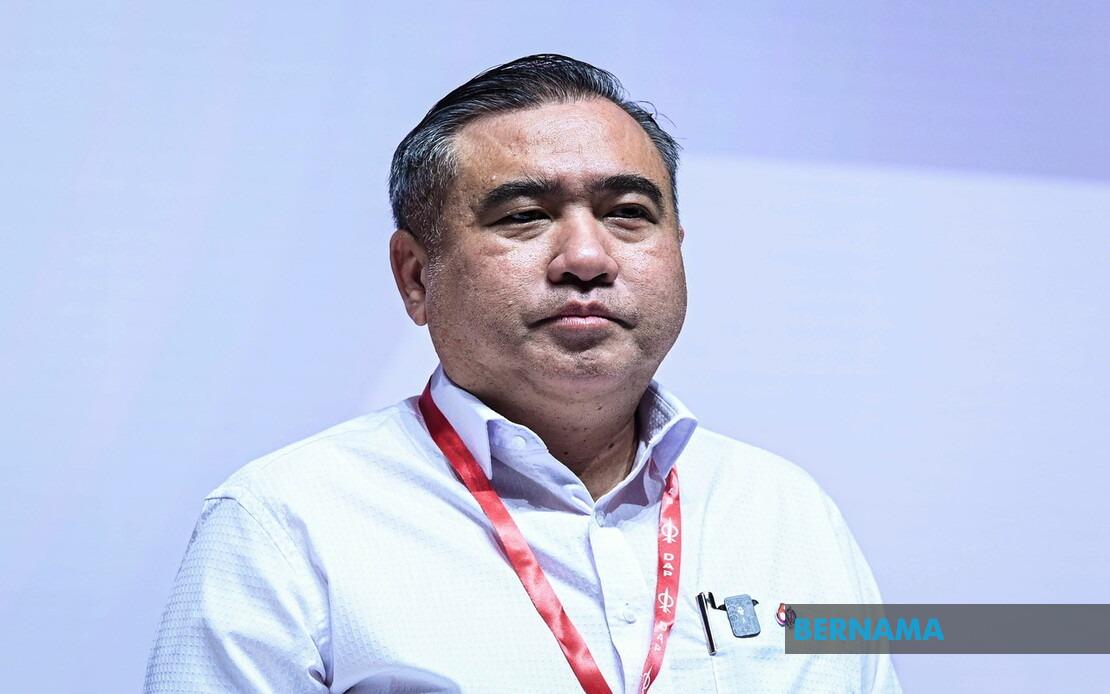
The Democratic Action Party has pledged to escalate concerns about government assertiveness through official cabinet mechanisms, signalling internal pressure within the ruling coalition despite voting overwhelmingly to maintain its participation in the Unity Government. DAP secretary-general Anthony Loke made the commitment following the party's 2026 conference at the Putrajaya International Convention Centre, where delegates aired substantial criticism of both the government and party performance during an unprecedented open debate session.
The decision to remain in the Unity Government secured decisive backing, with 1,857 delegates voting in favour compared to 242 opposed, representing an 88 per cent majority from the 2,106 ballots cast. However, this significant minority dissent—some 242 delegates—underscores genuine frustration within the party's grassroots over what many perceive as insufficient boldness in the administration's policy implementation. Loke acknowledged the legitimacy of these concerns, emphasising that the party would channel grassroots sentiment directly into government deliberations via cabinet forums where DAP ministers can advocate for sharper, more resolute action on key initiatives.
The nature of delegates' grievances reflects broader anxiety in Malaysia's political landscape about governmental momentum on transformative issues. While specifics of the critical remarks remain largely undisclosed, the pattern indicates frustration over what rank-and-file members view as sluggish progress on substantive reform agendas promised during the 2022 election campaign. This internal pressure from DAP's own membership suggests the ruling coalition faces expectations to demonstrate tangible progress more visibly and swiftly than recent performance indicators suggest.
Loke stressed that maintaining party discipline required respecting the democratic mandate while simultaneously protecting dissenters from any political consequences. The 12 per cent who voted against continued participation in the Unity Government will face no sanctions, establishing a precedent for internal dissent that contrasts sharply with more hierarchical political structures in the region. This approach reflects DAP's self-positioning as a party valuing democratic discourse, though it also reveals internal tensions between leadership commitment to coalition stability and grassroots desire for more aggressive policy positioning.
The secretary-general's assertion that delegates' feedback would constitute the party leadership's mandate as it continues working within government indicates DAP intends to leverage this conference result to strengthen its hand in cabinet negotiations. Rather than viewing the 88 per cent vote as vindication for maintaining status quo operations, party leadership interprets it as authorization to pursue more vigorous advocacy for their reform priorities. This distinction matters significantly for understanding power dynamics within the coalition, as DAP effectively claims grassroots endorsement for pushing harder on transformation initiatives.
Loke subsequently addressed accusations from political opponents that DAP uses party platforms to pressure the Prime Minister with parochial partisan agendas. He reframed the reform priorities being discussed—including separating the roles of Attorney-General and Public Prosecutor, constraining Prime Minister tenure to two terms, and anti-corruption efforts—as collectively agreed frameworks rather than unilateral DAP demands. This repositioning attempts to neutralise criticism that the party prioritises its own agenda over national interest, presenting instead a narrative of shared commitment endorsed across Pakatan Harapan and the broader Unity Government framework.
The reforms cited by Loke carry substantial constitutional and institutional implications for Malaysian governance. The proposed separation of Attorney-General and Public Prosecutor functions would fundamentally restructure legal authority and prosecution powers, addressing longstanding concerns about concentrated judicial discretion. Limiting Prime Minister tenure would introduce unprecedented constraints on executive longevity, fundamentally altering succession dynamics and preventing indefinite incumbency. These are not minor technical adjustments but transformative constitutional shifts that competing political factions have previously resisted.
By linking these substantial reforms to coalition-level agreements rather than DAP unilateralism, Loke attempts to insulate the party from opposition rhetoric characterising it as pursuing narrow institutional capture or constitutional aggrandisement. The framing proves strategically important because DAP, as a predominantly Chinese-based party in a Malay-Muslim-majority nation, remains vulnerable to accusations of driving agendas contrary to national demographic preferences or Islamic constitutional provisions. Presenting reforms as collectively endorsed reduces this vulnerability.
The decision to hold an open debate at the conference, permitting critical voices against both party and government to emerge without suppression, distinguishes DAP's internal governance from many Southeast Asian political organisations. This transparency, while potentially exposing internal divisions to opposition exploitation, reinforces DAP's democratic credentials among its urban, educated voter base that values institutional pluralism and open discourse. Loke's public acknowledgment of the 12 per cent dissent and promise of no retaliation extends this image.
For Malaysian political economy, DAP's simultaneous commitment to Unity Government participation and amplified calls for decisive action suggests the coalition faces incoming pressure to accelerate implementation of reform commitments. The party essentially signals that grassroots patience for incremental progress has limits, and that the 88 per cent mandate should be understood as conditional endorsement requiring demonstrable progress on transformation initiatives. This positions DAP as the coalition's reform advocate, potentially complicating consensus-building with more conservative partners.
The broader Southeast Asian context reveals increasing pressure on ruling coalitions across the region to demonstrate effectiveness and deliver on electoral promises within constrained timeframes. Malaysia's Unity Government, formed to establish political stability after years of coalition fragmentation, faces expectations to justify its stability through tangible policy achievements rather than merely maintaining administrative continuity. DAP's conference outcome reflects this dynamic, where internal party democracy and grassroots mobilisation serve simultaneously as constraint on leadership complacency and mechanism for legitimating more aggressive pursuit of transformation agendas.
Looking forward, the cabinet channels through which DAP intends to convey delegate sentiment will become crucial arenas for negotiating coalition priorities and resource allocation. Whether the government substantively responds to these grassroots demands will largely determine whether DAP's continued participation in the Unity Government survives the next conference cycle. The party has effectively created accountability mechanisms binding itself to delegate expectations, making future coalition decisions increasingly dependent on demonstrable progress on reform fronts where delegates expressed frustration.

