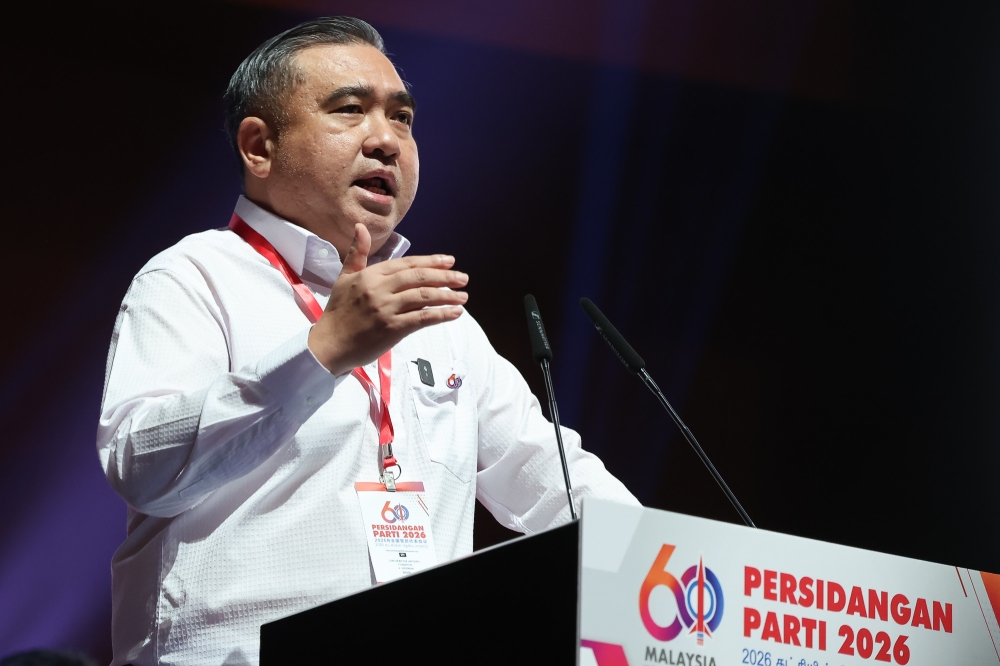
The Democratic Action Party reaffirmed its unwavering commitment to Prime Minister Datuk Seri Anwar Ibrahim's legislative agenda on university freedoms at a gathering in Putrajaya on August 16, signalling that the coalition partner views the repeal of the Universities and University Colleges Act as non-negotiable. Yet beneath this show of unity lies a more nuanced political calculation, with DAP figures hinting that the party sees this move as merely one component of a larger reform programme that must eventually reshape how Malaysia's institutions operate and how citizens engage with the state.
The party's gesture of support carries symbolic weight in Malaysia's coalition politics, where DAP's participation in the ruling Pakatan Harapan alliance provides crucial legitimacy for legislative initiatives that touch on sensitive governance issues. By explicitly endorsing the AUKU repeal at what appears to have been an official forum, DAP has signalled to its constituencies—particularly young voters, academics, and urban professionals—that the government is serious about dismantling restrictions on student activism and university autonomy. This positioning is especially important for DAP, which has historically framed itself as a champion of civil liberties and institutional reform.
Transport Minister Anthony Loke, a senior DAP figure, went further than a simple endorsement by suggesting that the AUKU repeal alone is insufficient to achieve the democratic transformation that the government ostensibly committed to when it took office. His remarks indicate that within DAP's leadership circles, there is appetite for a more ambitious agenda encompassing not just universities but also other restrictive legislation and institutional constraints. This framing allows the party to appear supportive of the government's current initiatives while simultaneously positioning itself as the custodian of a broader reform movement, a valuable stance heading into future political negotiations.
The Universities and University Colleges Act has long been a flashpoint between student activists, civil society organisations, and government authorities. The legislation imposes significant restrictions on campus political activity, student union formation, and public expression, ostensibly to maintain order and institutional focus. Supporters of repeal argue that these restrictions have infantilised Malaysia's student population, prevented the emergence of campus-based civic engagement, and reduced universities' capacity to serve as vibrant intellectual hubs where ideas are tested and debated openly. Universities in peer nations have maintained academic standards while permitting considerably more student autonomy, lending credibility to arguments that AUKU's constraints are unnecessarily stringent.
For Malaysian readers, particularly students and parents, the timing of this debate reflects broader questions about the country's international competitiveness in attracting talent and fostering innovation. Restrictions on campus expression and organising have arguably contributed to a brain drain, where high-achieving Malaysians pursue tertiary education abroad and subsequently remain overseas, seeking environments where intellectual freedoms are more firmly guaranteed. If AUKU repeal proceeds, it could materially alter the campus experience for future generations, potentially making Malaysian universities more attractive destinations for both domestic and international students.
The political dynamics surrounding AUKU also illuminate tensions within Malaysia's coalition government. While DAP's support appears solid, the acceptance of such reforms by other coalition partners—particularly those from conservative or Islamist backgrounds—remains less certain. The repeal touches on concerns about social order, religious values in educational settings, and state authority that resonate with certain constituencies. Anwar's ability to navigate these sensitivities while maintaining coalition cohesion will be tested as legislative proposals move forward, making DAP's vocal backing strategically significant for shoring up confidence that this agenda has cross-party viability.
Loke's suggestion that reforms must extend beyond the universities hints at DAP's broader political vision for Malaysia's institutional landscape. The party appears to be advocating for a comprehensive review of laws and structures that restrict citizen participation, expression, and organising. This could encompass legislation related to public assembly, press freedom, workers' rights, and religious expression, areas where Malaysia's current frameworks impose restrictions that human rights organisations have frequently criticised. By framing AUKU repeal as merely the opening move, DAP is signalling its intention to push for deeper, more consequential changes to Malaysia's democratic architecture.
For regional observers, Malaysia's trajectory on university freedoms and democratic reforms carries implications beyond its borders. Southeast Asia's broader development as a knowledge economy and innovation hub depends partly on whether societies can foster cultures of intellectual openness and experimentation. Malaysia's decisions regarding campus freedoms could influence how regional peers approach similar questions, or serve as cautionary lessons about half-measures that fail to generate meaningful change. The stakes are not merely domestic but increasingly tied to Malaysia's regional standing and economic prospects.
Anwar's government has framed reform as central to its legitimacy and electoral mandate, making backing from coalition partners like DAP essential for validating this narrative. By offering unequivocal support for AUKU repeal while simultaneously pushing the conversation toward broader institutional change, DAP positions itself as simultaneously loyal to the government and indispensable to a deeper transformation agenda. This balancing act allows the party to maintain influence over the pace and scope of reform, ensuring that subsequent legislative moves reflect DAP's priorities and values. Whether this strategy yields substantive change or merely symbolic gestures remains to be seen as the legislative process unfolds.

