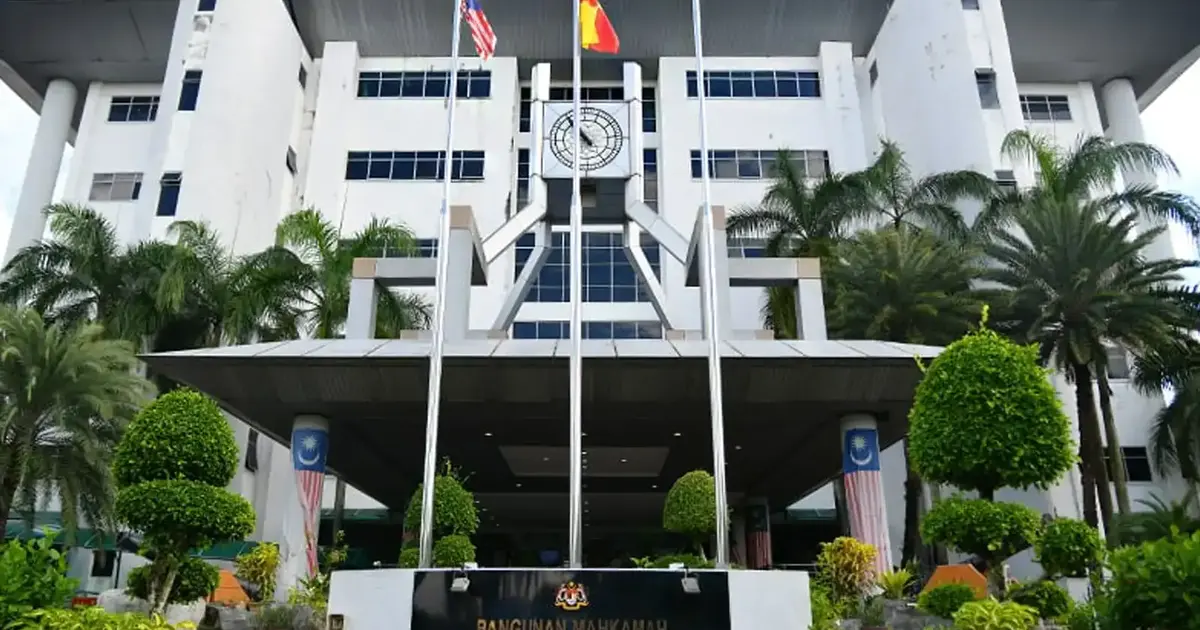
Fareez Akhmal Yusuf, a customs officer, has claimed trial to allegations that he received RM15,000 in cash from a 50-year-old suspect on June 29 in exchange for closing an active investigation. The claim trial procedure, a standard practice in Malaysia's criminal justice system, signals that the accused intends to contest the charges rather than enter a guilty plea, shifting the burden of proof to prosecutors to establish culpability beyond reasonable doubt during formal court proceedings.
The specific allegations against Yusuf underscore persistent vulnerabilities within Malaysia's customs enforcement structure. The alleged transaction on June 29 raises questions about the procedural safeguards and supervisory mechanisms designed to prevent unauthorized exchanges between enforcement officers and persons under investigation. Such incidents, when substantiated, erode public confidence in the integrity of tax and trade enforcement, which forms a critical component of Malaysia's revenue collection and border security apparatus.
Corruption within customs agencies presents multifaceted challenges for Malaysian governance. Unlike misconduct confined to lower-level administrative functions, bribery involving customs officers directly compromises the state's ability to enforce compliance with tax obligations, prevent smuggling, and maintain transparent trade practices. When officers accept payments to terminate investigations, they effectively create parallel systems where compliance becomes negotiable rather than mandatory, distorting the competitive landscape for legitimate businesses.
The case reflects broader patterns of corruption allegations within Malaysia's enforcement community in recent years. Several high-profile prosecutions of police, immigration, and customs personnel have exposed systemic weaknesses in recruitment vetting, internal accountability mechanisms, and whistleblower protections. These repeated instances suggest that structural reform—beyond individual prosecution—remains essential to restoring institutional credibility among both businesses and the general public.
Malaysia's approach to tackling corruption through the courts has evolved significantly, particularly following the establishment of specialized anti-corruption courts and the expansion of the Malaysian Anti-Corruption Commission's prosecutorial capacity. The formalization of claims trials in such cases ensures that evidentiary standards remain consistent and that judicial scrutiny accompanies each stage of legal proceedings. This procedural rigor, however, must be complemented by preventive measures within customs operations themselves.
The implications extend beyond individual accountability to encompass Malaysia's standing in international trade and compliance frameworks. Customs integrity significantly influences how foreign trading partners and multinational enterprises perceive the reliability of Malaysia's import-export regulations and risk management systems. Allegations of bribery can trigger heightened scrutiny from international customs bodies and trade authorities, potentially affecting Malaysia's negotiations on trade agreements and customs mutual recognition arrangements with regional partners including ASEAN nations.
From a business perspective, allegations of selective enforcement undermine the principle of equal application of customs law across market participants. Small and medium enterprises, which typically lack resources to navigate informal payment arrangements, may face disproportionate enforcement pressure relative to larger corporations perceived to have greater capacity to resolve matters outside formal channels. This competitive distortion impairs Malaysia's capacity to foster a level playing field for commerce and investment.
The claims trial procedure in this case will require prosecutors to present documentary evidence, witness testimony, and circumstantial indicators linking the accused to the alleged receipt and context of the funds. Defense counsel will likely challenge the chain of custody of evidence, the credibility of the suspect providing information, and alternative explanations for any financial transactions. The court's findings will determine not merely the individual's culpability but also set precedent regarding evidentiary burdens in future customs corruption cases.
Moving forward, this prosecution signals continued willingness by Malaysian authorities to pursue enforcement officers implicated in corruption allegations. However, observers note that genuine institutional reform requires complementary initiatives including enhanced integrity screening for new recruits, randomized internal audits of investigations, mandatory rotation of officers, and strengthened protection for informants who report misconduct. Without such systemic measures, individual prosecutions, while necessary, remain insufficient to prevent recurrence.
The case also invites scrutiny into how customs investigations are initiated, managed, and concluded. Establishing clear protocols regarding investigation closure, mandatory documentation of reasoning behind case disposals, and supervisory sign-off mechanisms could substantially reduce opportunities for unauthorized agreements between officers and suspects. Regional customs agencies across ASEAN have increasingly adopted such technological and procedural safeguards to enhance transparency and reduce corruption risks.
For Malaysian taxpayers and businesses engaged in legitimate cross-border trade, the prosecution represents an affirmation that institutional mechanisms remain engaged in addressing misconduct. Simultaneously, it underscores that corruption, when discovered, carries serious legal consequences including imprisonment, rather than remaining confined to administrative discipline. This messaging reinforces that customs officers operate within a framework of accountability, even as systemic gaps persist.
As the claims trial proceeds through Malaysia's courts, the outcome will provide important signals regarding prosecution standards, evidentiary requirements, and judicial expectations in corruption cases involving enforcement officials. The case also presents an opportunity for customs leadership to reaffirm institutional commitment to integrity and to accelerate implementation of anti-corruption measures designed to prevent similar allegations from arising within the service.

