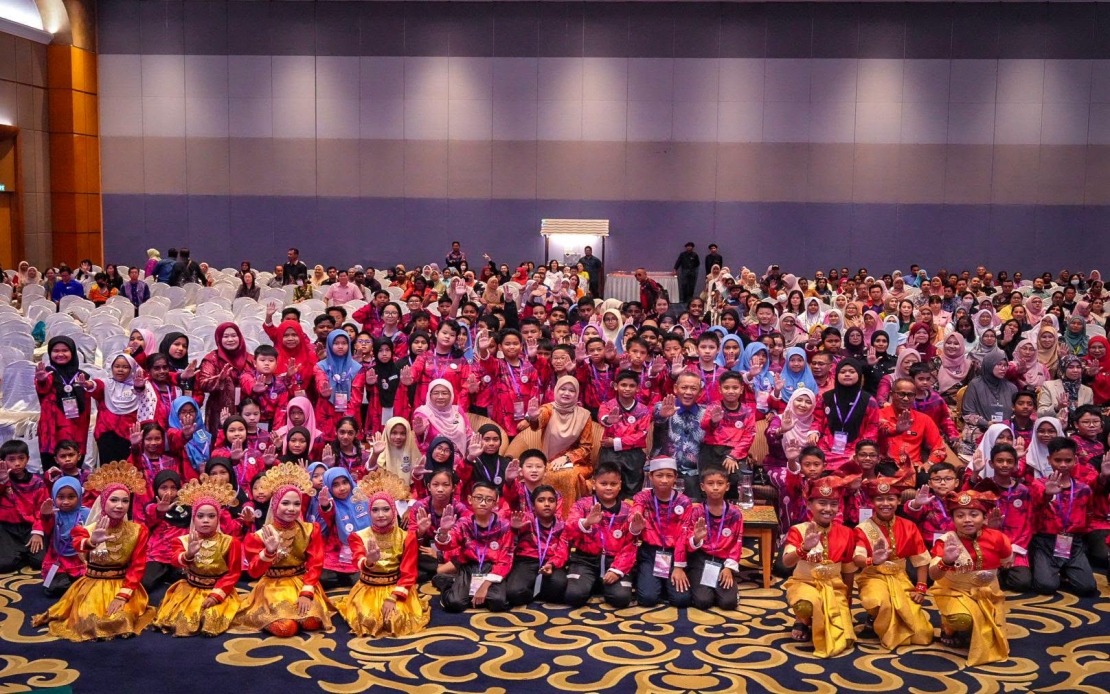
Education Minister Fadhlina Sidek has underscored the necessity for a coordinated, multi-stakeholder approach to tackle the increasingly complex challenges surrounding school safety, emphasising that the responsibility extends far beyond the classroom walls. Speaking during the Mutiara Diri Programme, Fadhlina articulated a vision where every school operates within a protective framework designed to shield students from threats to their physical and emotional wellbeing. Her remarks come as Malaysian educational institutions grapple with emerging safety concerns that demand more than ad-hoc responses, signalling a shift towards systematic, preventive governance.
The minister positioned student safety as a foundational right rather than an optional institutional priority. In her assessment, building public confidence that children are adequately protected within schools represents the current critical objective. This framing transforms safety from a peripheral concern into a central measure of educational system performance, with direct implications for parental trust and enrolment decisions. For Malaysian families, particularly those in urban areas where safety anxieties have mounted, Fadhlina's emphasis signals ministerial acknowledgment of their concerns and a commitment to institutional accountability.
Fadhlina highlighted the necessity for comprehensive compliance with established safety guidelines and child protection protocols across all educational institutions operating under the Ministry of Education's purview. This directive suggests that inconsistent implementation of safety standards has been identified as a vulnerability within the system. By calling for uniform adherence to existing frameworks, the ministry aims to eliminate gaps where students may receive differing levels of protection depending on their school's jurisdiction or resources. The emphasis on compliance indicates that the infrastructure for safety already exists but requires reinforcement and standardisation across the diverse landscape of Malaysian schools.
Mental health considerations have emerged as an integral component of the broader safety agenda. Fadhlina's explicit inclusion of psychological wellbeing alongside physical safety reflects growing recognition that student vulnerability extends beyond visible threats. Malaysian schools increasingly serve as frontline institutions for identifying mental distress among young people, a role that necessitates trained staff, accessible counselling services, and curricula that normalise discussions about psychological health. By integrating mental health into the safety framework, the ministry acknowledges that a truly secure school environment must address the invisible stressors affecting student development and classroom dynamics.
The minister's appeal to parents and educators attending the Mutiara Diri Programme represented a deliberate mobilisation of key stakeholder groups. Rather than positioning the government as the sole custodian of school safety, Fadhlina framed the challenge as requiring synergistic engagement across multiple constituencies. Parents serve as crucial partners in identifying risks and monitoring children's experiences, while educators occupy the frontline position of maintaining daily protective protocols. This collaborative model distributes responsibility while creating accountability mechanisms that operate across institutional and community boundaries.
Negeri Sembilan Menteri Besar Datuk Seri Aminuddin Harun's participation in the programme underscored the multi-level governance dimensions of school safety. Education policy in Malaysia operates across federal, state, and local jurisdictions, with state governments playing significant roles in school administration and resource allocation. By bringing together the Education Ministry and state leadership, the programme demonstrated recognition that effective safety initiatives require coordination across administrative levels. For states like Negeri Sembilan, this involvement signals opportunities to tailor national safety frameworks to local contexts and capacity constraints.
The characterisation of the Mutiara Diri Programme as more than a routine initiative reflects its positioning as part of a broader advocacy and consciousness-raising campaign. Rather than announcing new legislation or specific security measures, Fadhlina emphasised the ideological and cultural shift needed within educational communities. This approach acknowledges that systemic change depends not only on rules and enforcement but on internalised commitment from educators, administrators, and families who must actively champion child protection values. The programme serves as a platform for articulating these values and mobilising grassroots support for their implementation.
The minister's statement that there will be no compromise on matters threatening children's safety carries significant implications for resource allocation and institutional priorities. This unambiguous declaration suggests a willingness to subordinate competing interests—whether budgetary constraints, administrative convenience, or other objectives—to the imperative of student protection. For Malaysian schools potentially facing resource limitations or pressure to prioritise academic metrics, such ministerial language provides cover for safety-focused decisions and establishes protection as a non-negotiable standard against which institutional performance will be measured.
Fadhlina's invocation of children's entitlement to safe, dignified, and prosperous environments positions school safety within a human rights framework rather than treating it as an administrative matter. This linguistic choice connects Malaysian school safety initiatives to international conventions on child welfare and protection, elevating the discourse beyond technocratic problem-solving. For Southeast Asian readers, this framing resonates with broader regional movements toward strengthening child protection mechanisms and holding governments accountable for providing enabling environments where young people can develop without fear.
The comprehensive nature of Fadhlina's remarks suggests the Education Ministry recognises that addressing school safety demands attention to multiple dimensions simultaneously. Institutional policies, staff training, mental health resources, parental engagement, and inter-agency coordination all require concurrent action rather than sequential implementation. This systemic perspective represents a maturation of Malaysia's approach to school safety, moving beyond reactive responses to individual incidents toward proactive, preventive structures. The success of such a multi-pronged strategy depends critically on sustained political will and consistent resource allocation over time, with ministerial visibility serving as an important signal to stakeholders about the government's commitment to maintaining momentum.

