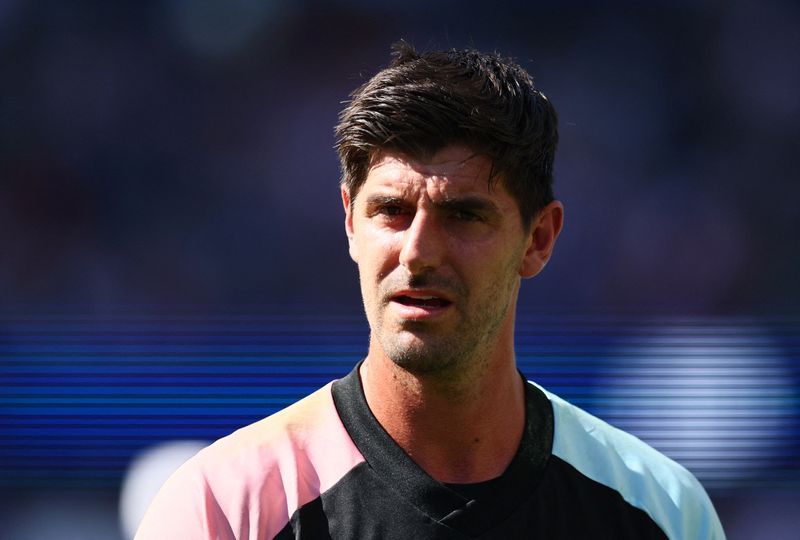
The Belgian Football Association's decision to appoint Mark van Bommel as the country's head coach has received backing from an influential voice in the squad. Thibaut Courtois, the Real Madrid goalkeeper who serves as one of the senior figures in the Belgian national team, expressed enthusiasm for Van Bommel's appointment at a sponsorship engagement in Brussels, while simultaneously indicating he would need to have substantive discussions with the new manager about his future participation in international football.
Van Bommel's arrival comes in the immediate aftermath of Belgium's disappointing World Cup campaign, which concluded with a quarter-final elimination at the hands of Spain. The departure of previous coach Rudi Garcia was not formally announced as a dismissal but rather emerged through a mutual decision between the coach and the Belgian federation not to extend their working relationship. This behind-the-scenes transition, handled with diplomatic language, reflected the internal turbulence that had characterised Belgium's tournament performance and the accumulated frustration among various stakeholders within the federation.
Courtois indicated that Van Bommel's appointment had not arrived as a shock within football circles, noting that speculation about his candidacy had circulated for some time before the official confirmation. The goalkeeper highlighted Van Bommel's previous managerial experience at Belgian club Antwerp as evidence of his coaching credentials, while also drawing attention to feedback he had received from teammates who had worked with the Dutch coach. This endorsement from current squad members appeared to carry weight with Courtois, who emphasised the importance of having a leader who commands respect through demonstrated competence and familiarity with elite-level competition.
A critical advantage that Van Bommel brings to his new role, according to Courtois, stems from his playing career at the highest echelons of European football. The former Dutch international spent his professional playing days competing in tournaments and matches of considerable significance, an experience that Courtois suggested would resonate with the Belgian players and facilitate understanding of the pressures inherent in international football. This element of credibility—having walked in the players' shoes at the elite level—was presented by Courtois as a natural foundation for building respect within a squad that includes numerous players accustomed to performing at top European clubs.
The question of Courtois's own continued involvement with the Belgian national team, however, remains unresolved. At thirty-four years of age, Courtois faces a decision point regarding his international future, particularly given the demands of maintaining fitness and performance across multiple competitions. During post-World Cup discussions, Courtois expressed a conditional desire to persist with Belgium, contingent upon being excused from participation in the Nations League. This proposed arrangement reflects the physical and mental toll of an extended international calendar on veteran players who are simultaneously managing club commitments with heavyweight European institutions.
Courtois was explicit in framing these potential conversations with Van Bommel as determinative of his future trajectory. Rather than announcing retirement or continuing on existing terms, he signalled that a negotiated understanding between himself and the new coaching staff would shape whether he continued wearing the Belgian shirt. The goalkeeper's position reflects a pragmatic approach common among ageing international players seeking to balance their remaining years of contributing to the national cause with the necessity of adequate recovery and preservation of physical capabilities.
The goalkeeper's reflections on Belgium's World Cup exit revealed the fine margins that separated continuation from elimination. During the quarter-final encounter with Spain in Los Angeles on July 10, Courtois sustained an injury that forced him from the field, resulting in his replacement Senne Lammens assuming goalkeeping duties. An error by Lammens proved decisive, contributing to a 2-1 defeat against eventual tournament champions Spain. Courtois subsequently argued that he might have managed to maintain his presence on the pitch despite the injury, as his ability to execute goal kicks had been compromised but his capacity to engage in open play remained relatively intact.
The goalkeeper articulated his reasoning around the decision to substitute him, understanding the coach's insistence on fielding only fully fit players despite his contention that he could have functioned adequately if given alternative responsibilities. Courtois's balanced commentary on this episode demonstrated maturity in accepting a decision with which he disagreed privately while refraining from publicly criticising his previous manager. This measured response stands in contrast to the considerable external criticism that had been directed towards Rudi Garcia for various tactical and personnel choices throughout Belgium's World Cup campaign.
Courtois emphasised the absence of any personal animosity toward Garcia, despite the professional setback occasioned by the coaching decision. He positioned his acceptance of the substitution within a broader team-first mentality, acknowledging that collective objectives supersede individual preferences. This statement served to humanise Garcia's tenure with the Belgian squad while deflecting attention from the manager-player tensions that had reportedly characterised portions of the World Cup campaign. For Malaysian and Southeast Asian observers, Courtois's diplomatic approach offers insight into how professional athletes navigate the complex dynamics of international football, where managerial decisions carry profound implications for entire nations' tournament aspirations.
The appointment of Van Bommel therefore arrives at a transitional moment for Belgian football, with senior players like Courtois awaiting clarity on their roles and adjusting to new leadership structures. Whether Courtois continues his international career, and under what conditions, remains contingent on forthcoming discussions that will shape the composition and experience profile of Belgium's squad moving forward. Van Bommel's mandate will extend beyond simply replacing a departing coach to encompassing careful management of generational transition and retention of key personnel whose decision to continue may hinge on specific accommodations around competition scheduling and recovery.

