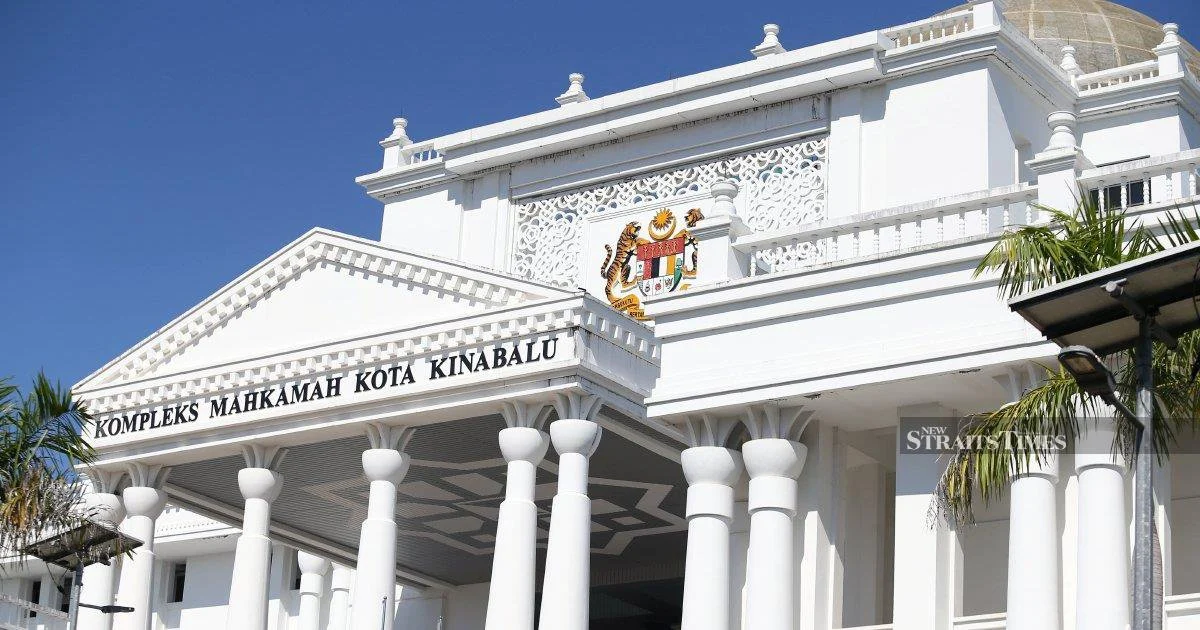
The prolonged inquest into the circumstances surrounding the death of 13-year-old Zara Qairina Mahathir continued in Kota Kinabalu on Wednesday as the 74th witness took the stand, offering testimony that further highlighted the complexity of forensic document analysis in establishing facts for the court. The witness, a document examination specialist, stated during questioning that she was unable to contradict the conclusions reached by another document examination expert who had previously provided evidence to the inquest. This development underscores the technical challenges courts face when multiple forensic specialists examine the same materials and reach differing assessments.
Document examination—the analysis of handwriting, signatures, typewritten text, and material authenticity—forms a critical component of many high-profile investigations. When experts in this field are called to provide testimony, their findings can carry substantial weight in legal proceedings. However, the willingness or reluctance of specialists to challenge one another's conclusions reveals important boundaries within the forensic discipline. The witness's statement that she could not contradict her colleague's findings suggests either a shared professional protocol regarding competing analyses, or perhaps limitations in the expert's own examination that prevented her from definitively establishing a contrary position.
The Zara Qairina inquest has stretched across numerous court sessions over an extended period, with the 74th witness representing a significant accumulation of testimony. High-profile inquests of this nature in Malaysia typically draw substantial media and public attention, particularly when they involve young victims and complex investigative factors. The drawn-out nature of these proceedings reflects the meticulous approach required to establish facts and circumstances before a judicial officer, ensuring that all relevant evidence and expert opinion receives thorough examination.
For Malaysian legal observers, the presentation of expert evidence at inquest proceedings offers insight into how courts weigh technical testimony. Unlike criminal trials where defence counsel can rigorously cross-examine prosecution experts, inquest procedures operate under different rules designed to establish facts rather than determine guilt or innocence. This distinction means that expert witnesses at inquests may face less adversarial questioning, which could explain some constraints on how specialists address competing analyses.
The document examination field itself has evolved considerably over recent decades, incorporating digital technologies and standardised methodologies alongside traditional practices. When multiple experts reach different conclusions from the same materials, questions naturally arise about the reliability of the methodology or the completeness of each expert's examination. The witness's inability to contradict her colleague could reflect genuine professional uncertainty, adherence to standards within the discipline, or acknowledgment that competing interpretations both merit consideration.
This pattern of expert testimony—where specialists decline to definitively contradict one another—has implications beyond the immediate case. It shapes public confidence in forensic processes and influences how courts evaluate competing technical evidence. Malaysian judicial authorities and legal practitioners monitor such developments carefully, as they affect procedural expectations and how expert evidence is ultimately valued in decision-making.
The continued progression of the Zara Qairina inquest demonstrates the exhaustive nature of modern judicial inquiries into deaths requiring official investigation. Each witness represents another opportunity to clarify circumstances, test existing evidence, or introduce new information. The accumulation of 74 witnesses speaks to the thoroughness of the proceedings and the range of individuals with relevant knowledge about the events in question.
Document specialists face particular challenges when working from historical materials or items that have passed through multiple hands. Degradation, handling, storage conditions, and the inherent variability in handwriting analysis mean that experts examining identical materials may legitimately reach different conclusions. Rather than representing a failure of the forensic process, such divergence can reflect the genuine complexity of the materials themselves.
The inquest framework in Malaysia serves an important public function in cases involving unexplained or unusual deaths. Unlike criminal proceedings, inquests are not adversarial contests between prosecution and defence. Instead, they aim to establish facts surrounding the death and potentially identify systemic issues or circumstances that warrant public attention. This structure means evidence is presented for clarification rather than to secure conviction, which may explain different expectations regarding how experts should address conflicting testimony.
For Southeast Asian readers following this case, the extended timeline and methodical accumulation of evidence reflects standards increasingly common across the region's higher-profile investigations. As judicial systems throughout the region strengthen forensic capabilities and professional standards, courts are likely to see more cases where multiple expert analyses present subtle variations in interpretation. How courts navigate these complexities—as demonstrated in the Zara Qairina inquest—may influence procedural approaches adopted by other jurisdictions facing similar investigative challenges.

