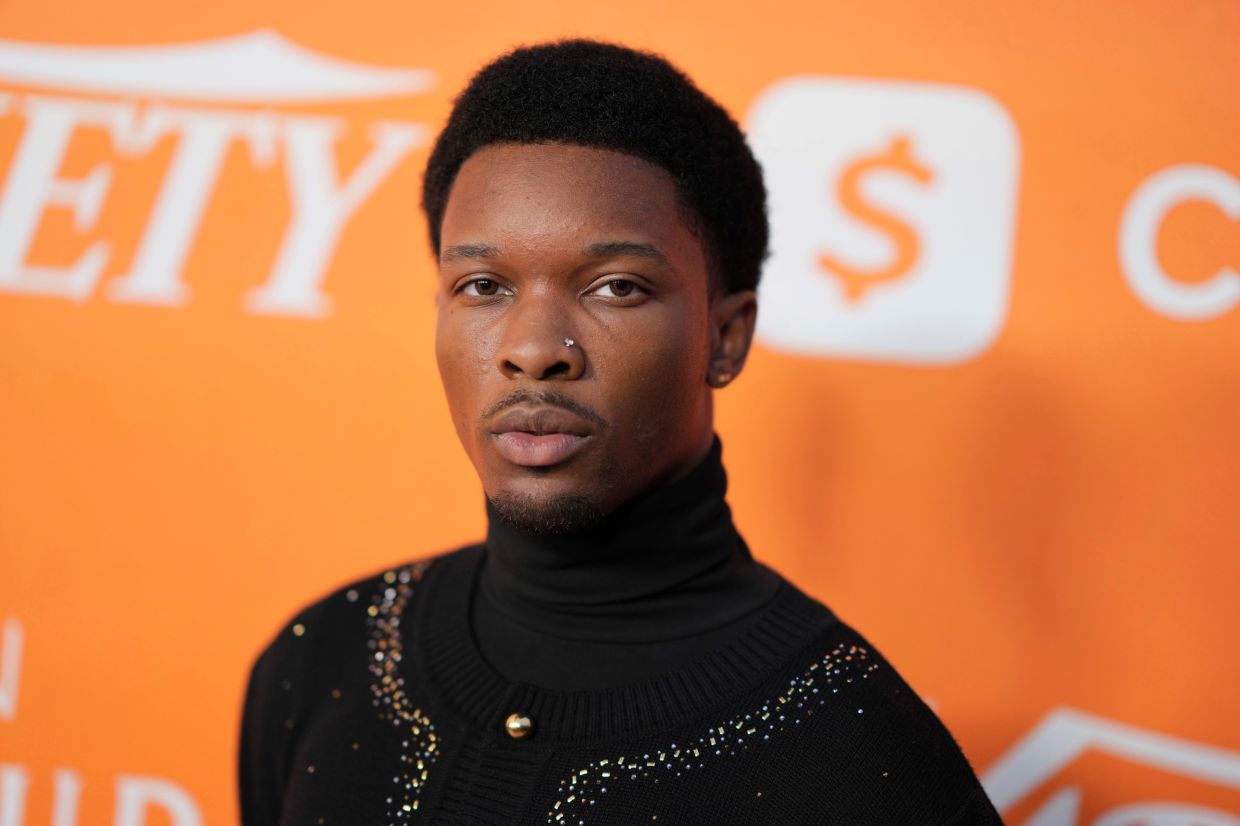
A preliminary hearing in Los Angeles has exposed the horrifying circumstances surrounding the death of a teenage girl whose decomposed remains were discovered in the trunk of singer D4vd's vehicle. During testimony on July 21, police detective Joshua Byers described finding the body in such an advanced state of decay that no facial features could be identified. The 21-year-old artist, whose legal name is David Anthony Burke, stands accused of murder and several related felonies that could result in either life imprisonment or the death penalty upon conviction.
Byers recounted opening the trunk of Burke's Tesla at a tow yard and immediately recognising what he described as the "very distinctive smell" of human decomposition. The detective's testimony painted a deeply disturbing picture of the remains, which had been divided into multiple bags. The victim's head and torso were contained within a large black bag, while the arms and legs were stored separately, showing visible signs of insect infestation including maggots and various stages of fly development. The extent of bodily decay had progressed to "skin slippage," rendering the remains unrecognisable when examined.
The victim, identified as Celeste Rivas Hernandez, would have turned 15 around the time her body was discovered in September 2025. Her mother had reported her missing in 2024 when she was only 13 years old. The timeline of events reveals a pattern of predatory behaviour spanning years, with prosecutors alleging that Burke initiated sexual contact with the girl when she was approximately 13, despite having met her when she was merely 11 years old. Body camera footage presented during the hearing captured Burke telling law enforcement deputies that "she told me she was 18," a claim contradicted by the prosecution's chronology of events.
The case carries significant implications for discussions around child protection and celebrity accountability in the United States. Prosecutors have developed a theory of motive suggesting that Burke murdered the teenager because she threatened to expose their long-standing illegal relationship, which prosecutors contend would have jeopardised his lucrative music career. Financial testimony from Burke's former manager Benjamin Greger established that the artist earned between USD 10 million and USD 11 million in gross income from his music between 2023 and 2025, underscoring both the financial stakes and the potential motivation prosecutors are advancing.
Throughout the preliminary hearing's opening day, Burke maintained an impassive demeanor, displaying no visible reaction even as graphic photographs of the dismembered remains were presented to the court. His presence in an orange prison jumpsuit served as a stark reminder of the serious nature of the charges he faces. The defence strategy appears to centre on denial, with Burke entering pleas of not guilty on all counts: one count of murder, one count of continuous sexual abuse of a child under 14, and one count of unlawful mutilation of human remains.
The preliminary hearing represents a critical juncture in the legal process, where a judge will determine whether sufficient evidence exists to move the case toward trial. Los Angeles Chief Prosecutor Nathan Hochman indicated the hearing would span between three and five days, suggesting the prosecution plans to present substantial evidence. Hochman expressed confidence in the strength of the case, stating that prosecutors believe they will "more than accomplish the evidentiary burden of probable cause" necessary to hold Burke accountable on all three felony charges.
For Malaysian and regional readers, this case underscores ongoing concerns about child exploitation, the asymmetrical power dynamics between celebrities and vulnerable minors, and the capacity of wealth and fame to potentially shield wrongdoers from accountability. The case demonstrates how jurisdiction in high-profile criminal matters operates in the United States, where preliminary hearings serve as gatekeeping mechanisms ensuring that prosecutions rest on substantial factual foundations rather than speculation. The gruesome forensic evidence being presented—including photographs of decomposed remains and testimony about advanced bodily decay—reflects the investigative capabilities and evidentiary practices of American law enforcement.
The alleged conduct spans a concerning timeline that raises questions about how such predatory behaviour remained undetected across multiple years. The disparity in age and power between an established recording artist and a child barely into her teenage years creates an inherent vulnerability that the prosecution argues Burke exploited systematically. The psychological and social dynamics of such relationships, wherein victims may be groomed or coerced into silence through various mechanisms, form part of the broader context prosecutors are likely to establish during trial.
As the preliminary hearing proceeds, observers will monitor whether additional evidence emerges regarding the circumstances of the girl's death, the timeline of her disappearance, and the methods used to conceal her body. The case has generated significant media attention in the United States and serves as a reminder of the persistent vulnerabilities of young people, particularly those who may come into contact with individuals in positions of cultural influence and wealth. The outcome of this hearing will determine whether Burke will face trial on charges that carry some of the most severe penalties available under American criminal law.

