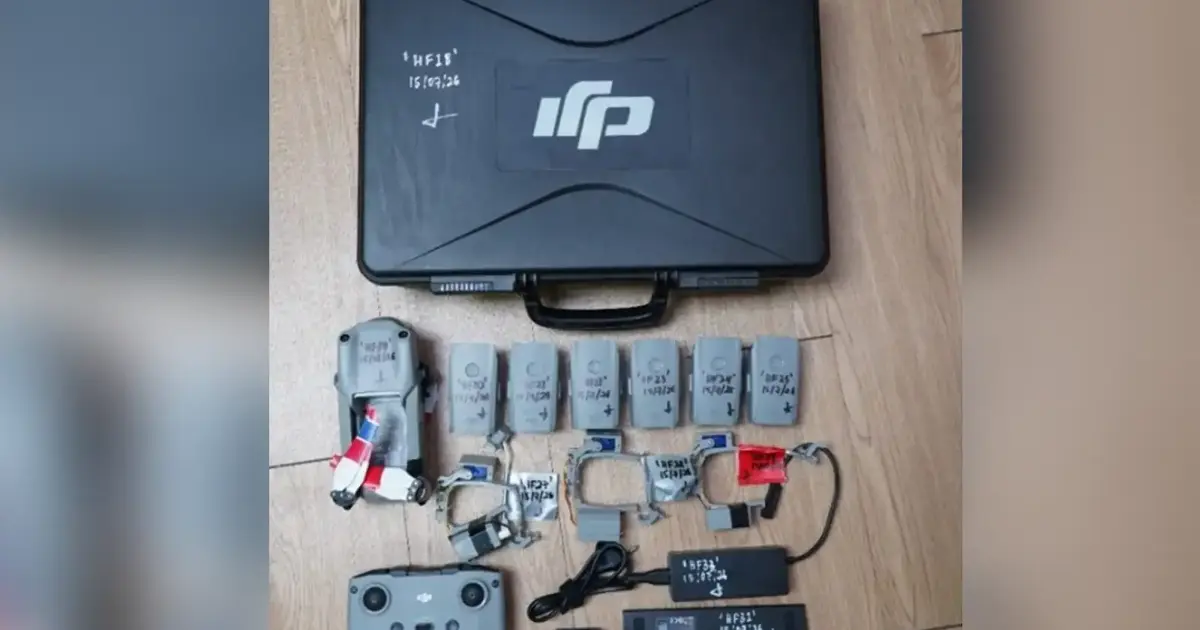
A couple has been arrested in Melaka following an operation to smuggle tobacco into the state prison using a drone delivery mechanism, marking another instance of contraband infiltration at Malaysian correctional facilities. The attempted delivery represents the latest in a growing pattern of drone-assisted smuggling attempts targeting high-security institutions across the country, highlighting vulnerabilities in perimeter security that prison authorities have struggled to contain.
According to Melaka police leadership, the coordinated activity appears to have involved collaboration between the couple and at least one inmate already housed within the facility. This inside-outside coordination model is typical of sophisticated contraband operations, where prisoners with external connections arrange deliveries while accomplices on the outside execute the logistics. The involvement of multiple parties suggests a level of organisation that extends beyond opportunistic smuggling, potentially indicating part of a larger network supplying banned goods to prisoners.
Drone technology has emerged as a persistent challenge for Malaysian correctional authorities over recent years. Unlike traditional methods of smuggling items through visitors or corrupt staff, drones operate with minimal human contact and can bypass multiple layers of external security designed for ground-level threats. Prison perimeters that were engineered to prevent escape or unauthorised entry by people have proven inadequate against unmanned aerial systems that can approach from above. The technology's accessibility and relatively low cost make it an attractive option for those seeking to move contraband into secured locations.
Tobacco remains one of the most sought-after commodities within Malaysian prisons, where it commands premium prices due to scarcity and regulatory restrictions. The demand reflects both addiction among the inmate population and the role tobacco can play as a prison economy currency. Items like cigarettes or loose tobacco can be traded for favours, protection, or other goods, making them valuable beyond their face value as consumable products. Authorities recognise that allowing contraband to enter facilities undermines institutional order and can contribute to violence and disciplinary problems within prison walls.
The arrest in Melaka comes as correctional facilities nationwide grapple with enforcement strategies against drone incursions. Some prisons have installed netting or other physical barriers to intercept devices, while others have invested in detection technology to identify drone activity. However, these solutions remain inconsistently implemented across the prison system, and determined smugglers continue to develop countermeasures. The cat-and-mouse dynamic between security innovations and smuggling tactics shows no sign of resolution in the near term.
Inside assistance remains the linchpin in most successful contraband operations. An inmate who can identify delivery windows, coordinate timing, and retrieve packages placed inside the perimeter provides critical advantage to external partners. This dynamic also creates risks for corruption among prison staff, who may be approached to facilitate deliveries or turn a blind eye to suspicious activity. The involvement of inmates in organising external smuggling operations demonstrates how the prison environment can be exploited by organised criminal elements or individual prisoners with sufficient resources and determination.
The case raises questions about visitor screening protocols and the monitoring of inmate communications, since coordination between the couple and their inside contact would have required some method of planning. Malaysian prisons have progressively restricted phone access and monitored communications, yet determined individuals continue to find ways to send and receive information. Whether through contraband phones smuggled into facilities or messages relayed through visitors, the informational pathways remain open to those willing to navigate the risks.
For Malaysian readers and regional observers, the incident underscores broader questions about correctional facility management in developing nations. Prison systems across Southeast Asia face persistent challenges balancing security, rehabilitation, and resource constraints. The emergence of drone-based smuggling as a significant security problem reflects how technological change outpaces institutional adaptation. Solutions require investment in detection and interception systems, but equally important are improvements to inmate morale and reform programmes that reduce the demand for contraband items.
The arrested couple now faces charges related to smuggling and conspiracy, penalties that reflect the serious view Malaysian authorities take of such operations. However, prosecution alone will not solve the underlying problem. Until prison management addresses the economic incentives that drive smuggling networks, the vulnerabilities that enable drone deliveries persist. The case serves as another data point in the escalating challenge of maintaining secure, orderly correctional institutions in an era when technology continues to introduce novel security dilemmas.

