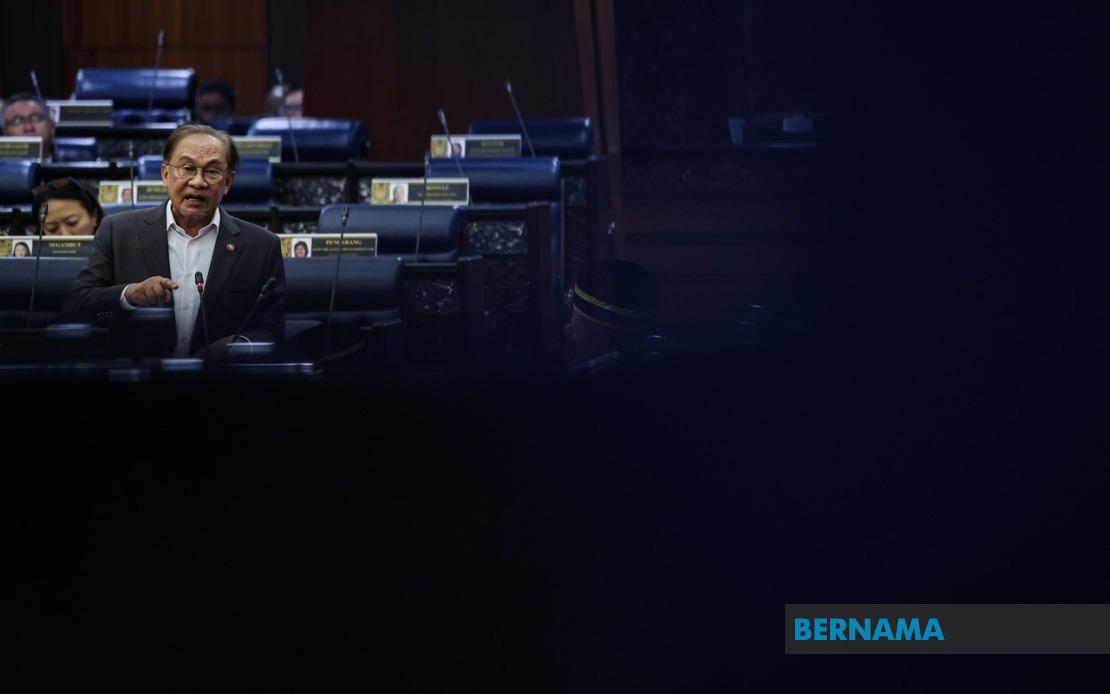
Prime Minister Datuk Seri Anwar Ibrahim has introduced a significant procedural shift in how Malaysia handles complaints lodged against journalists from established news organisations. Under the new framework, grievances will no longer automatically trigger government investigations or enforcement action. Instead, all such complaints must first be submitted to the Malaysian Media Council (MMM) for independent review and assessment before any further steps can be taken.
The mechanism represents an attempt to inject greater safeguards into the media accountability process, addressing long-standing concerns from press freedom advocates about the potential for state power to be weaponised against journalists through complaint-based investigations. Anwar emphasised during parliamentary Question Time that the intervention by an independent body would ensure decisions are grounded in procedural fairness and transparent deliberation rather than reactive government responses to criticism. This position suggests the administration recognises that routine prosecution pathways could chill legitimate journalism and investigative reporting.
Anwar stressed that journalists should not face investigative pressure simply because a complaint has been filed. He noted that the MMM would serve as a filtering mechanism, examining the substance and merit of accusations before permitting any formal inquiry to proceed. This protective layer aims to prevent what critics have described as harassment through the legal system—where multiple complaints, even if frivolous, can force journalists into costly and time-consuming defensive processes. By requiring MMC review first, the new approach attempts to distinguish between legitimate concerns warranting investigation and complaints that lack factual or legal foundation.
The Prime Minister acknowledged the fundamental principle that no profession operates under absolute freedom, including journalism. He made clear that both media practitioners and political leaders remain bound by Malaysian law. However, he drew an important distinction between accountability and institutional bullying, arguing that government departments should not weaponise the complaint mechanism simply because media coverage has been critical or unflattering. This nuance reflects an understanding that robust journalism inherently involves scrutinising state conduct, and that governments must tolerate such scrutiny as part of democratic process.
Anwar's announcement directly addresses enduring tensions surrounding two contentious pieces of legislation: the Sedition Act 1948 and the Official Secrets Act 1972. International media watchdogs and Malaysian civil society organisations have long flagged these laws as instruments through which journalists face potential prosecution for reporting on matters of public interest. The acts grant broad discretionary authority to prosecutors, and critics argue they function as chilling mechanisms rather than genuine legal safeguards. By introducing the MMC gatekeeping requirement, the government appears to acknowledge these concerns while seeking a middle path between maintaining legal frameworks and preventing their misuse against the press.
The MMC's elevated role in this process reflects a broader regional and global trend toward establishing independent media oversight bodies that operate at arm's length from government. Such councils exist in several democracies as mechanisms for resolving disputes between media organisations, advertisers, and the public without recourse to courts or law enforcement. By positioning the MMC as the first point of review, Malaysia's government is effectively devolving initial judgment to a body intended to possess media expertise and neutrality that generalist police or prosecutors might lack.
This institutional design carries practical implications for Malaysian journalists navigating their reporting environment. The requirement that complaints first be evaluated by the MMC means that journalists facing allegations will have an additional procedural step before facing formal investigation or charges. This delay, while potentially frustrating to complainants, offers journalists opportunity to respond through a specialised forum rather than immediately through police interrogation or prosecutorial pressure. The MMC's assessment can establish whether a complaint contains sufficient legal merit to warrant further action, effectively filtering out complaints based solely on political disagreement or editorial judgement.
For Malaysia's media landscape, the announcement signals a recognition that press freedom and accountability are not mutually exclusive. The government is attempting to reposition itself as willing to subject complaint mechanisms to independent scrutiny rather than treating state prosecution as the default response to media criticism. This recalibration may reduce instances where journalists face investigation for reporting on corruption, human rights concerns, or other matters of legitimate public interest. However, the mechanism's effectiveness depends entirely on the MMC's independence, resources, and willingness to reject frivolous or politically motivated complaints—factors that remain subject to ongoing scrutiny.
The timing of Anwar's statement, delivered during parliamentary Question Time, suggests the measure was responsive to legislative concern about prosecutorial overreach. Datuk Mohd Isam Mohd Isa's question specifically foregrounded how existing laws potentially restrict press freedom, indicating that concerns about journalist prosecution had reached sufficient prominence in parliament to warrant clarification from the Prime Minister. This parliamentary engagement reflects broader democratic conversation about balancing state interests with press freedom in a rapidly evolving information environment.
Regionally, Malaysia's approach will be watched by other Southeast Asian democracies grappling with similar tensions between media accountability and freedom. Countries including Thailand, the Philippines, and Indonesia have faced persistent criticism for using sedition, defamation, and national security laws to prosecute journalists and bloggers. Malaysia's establishment of an MMC-based filtering mechanism, if implemented transparently and staffed impartially, could offer a model for other nations seeking to depoliticise complaint processes and protect journalism from state harassment.
Looking forward, the practical impact of this announcement depends on implementation details not yet fully articulated. Critical questions remain regarding MMC composition, decision-making timelines, appeal mechanisms, and resource allocation. Additionally, the mechanism's effectiveness could be undermined if government agencies continue to initiate investigations independently, treating the MMC requirement as advisory rather than binding. Media organisations and civil society will need to monitor compliance closely to ensure this framework genuinely protects journalists rather than creating an appearance of protection while preserving prosecutorial pathways.
The announcement represents a notable shift in how the Malaysian government has publicly positioned itself relative to media regulation. Rather than emphasising state enforcement power, the Prime Minister framed the new approach as protecting journalists from unfair treatment while maintaining legitimate accountability structures. Whether this recalibrated stance translates into material protection for journalists reporting on sensitive matters remains to be seen, but the explicit parliamentary acknowledgment of press freedom concerns suggests evolving institutional consciousness about the relationship between state power and media independence.

