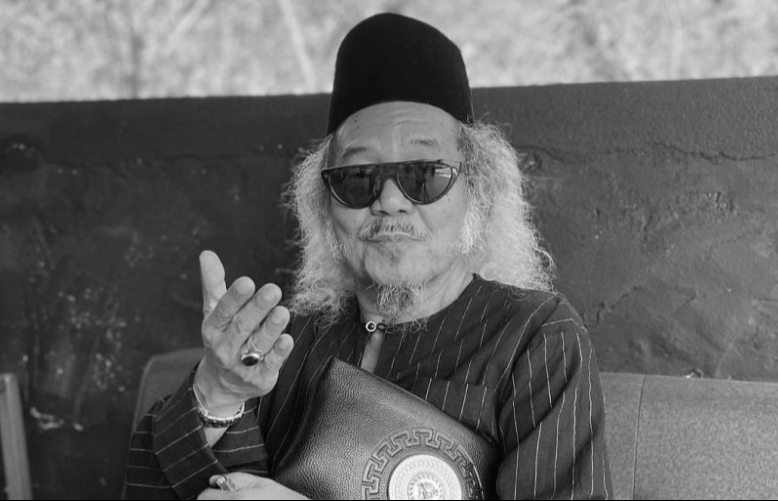
Kamarool Yusoff, the beloved Malaysian actor affectionately known throughout the country as Cik Man, passed away on August 5 at the age of 68 after battling a cardiac ailment. The news of his death sparked an outpouring of grief across Malaysia's entertainment community, with colleagues and fans remembering his indelible mark on the nation's film industry spanning several decades. His son, Ahmad Fakhrol Aliff, 23, confirmed that his father succumbed to his illness at 5.30 pm while undergoing medical care at Tanah Merah Hospital, bringing an end to a career that had captivated audiences across multiple generations.
The announcement of Cik Man's passing was made public through a Facebook post by comedian Mohammad Amirullah Azmi, known professionally as Amir Raja Lawak, who extended warm condolences to the grieving family. In his tribute, Amir Raja Lawak remembered Kamarool by both his stage names and his given name, offering prayers for the deceased's spiritual peace and asking that Allah grant him residence among the faithful in Jannah. The manner in which news travelled through social media underscores how deeply embedded Cik Man remained in the consciousness of Malaysia's entertainment fraternity, even as younger generations of performers took centre stage in recent years.
Communications Minister Datuk Seri Fahmi Fadzil moved quickly to acknowledge the loss, posting a heartfelt tribute on Facebook that highlighted the actor's significance to Malaysian cinema. Fahmi's intervention speaks to the respect Cik Man commanded not merely within entertainment circles but across the broader cultural landscape of the nation, warranting recognition from the highest levels of government. The minister's statement positioned the late actor as a cultural custodian whose work had helped define an entire era of Malaysian filmmaking, particularly for audiences who came of age during the vibrant cinema boom of the 1980s.
Cik Man achieved his most iconic status through his portrayal of Farouk, the ruthless leader of the Gagak Hitam gang, in the 1986 classic film that became a landmark production in Malaysian cinema history. This role cemented his place in popular memory and demonstrated his range as a performer capable of embodying complex, morally ambiguous characters with conviction and nuance. The character of Farouk became emblematic of a particular strain of Malaysian gangster cinema that flourished during that decade, and Cik Man's interpretation of the part influenced how subsequent generations of actors approached similar antagonistic roles.
Fahmi's tribute specifically referenced the emotional resonance that Cik Man's filmography held for viewers who matured during the 1980s, a period when Malaysian cinema was experiencing creative and commercial growth. This generational appreciation underscores how certain actors become intertwined with the collective memory of audiences, their faces and voices becoming associated with formative cultural moments. For many Malaysians, encountering Cik Man's performances in contemporary media becomes an exercise in nostalgia, a reconnection with their own youthful experiences of cinema-going and entertainment.
Beyond his most celebrated role, Cik Man maintained an active career in film throughout subsequent decades. His continued work in the industry, including appearances in productions such as a 2010 comedy film, demonstrated his sustained relevance and willingness to evolve with changing tastes in Malaysian entertainment. This longevity is relatively uncommon in Asian film industries, where many actors from earlier generations fade from public consciousness or transition entirely away from performing arts. Cik Man's ability to remain engaged with the medium, even as styles shifted and new technologies transformed how films were made and distributed, speaks to his enduring appeal.
In his formal statement, Fahmi characterised Cik Man as a highly respected figure whose influence extended far beyond the confines of the acting profession itself. The minister acknowledged that the late performer had earned admiration among those devoted to preserving and advancing Malaysia's artistic heritage and cultural traditions. This framing positions Cik Man not merely as an entertainer but as a cultural ambassador whose work contributed substantively to the nation's creative identity during critical periods of development. The recognition that his contributions extended into the realm of cultural stewardship elevates the significance of his passing beyond the entertainment industry.
Fahmi extended his condolences specifically to Cik Man's immediate family, including his son Ahmad Fakhrol Aliff who released the news of his passing. The minister concluded his tribute with traditional Islamic prayers, asking that Allah forgive the late actor's transgressions, extend His mercy to his soul, and grant him entry among the righteous. These devotional elements reflected the deeply embedded role of Islamic faith in Malaysian public discourse and mourning practices, making the tribute culturally resonant for the predominantly Muslim audience receiving it.
The passing of Cik Man marks another significant generational transition within Malaysian entertainment, as actors from the industry's formative decades continue to age out of the cultural spotlight. His death prompts reflection on how cinema from the 1980s and 1990s continues to shape Malaysian popular culture and how those golden-age performances remain touchstones for audiences navigating rapidly changing media landscapes. For younger Malaysians discovering these films through streaming platforms or retrospective screenings, Cik Man's work offers a window into a distinct period of national film history, one characterised by particular aesthetic choices, narrative conventions, and performance styles that distinguish it from contemporary productions.
The tributes flowing in response to Cik Man's death illustrate the enduring affection audiences hold for performers who helped define their cultural experiences. His legacy encompasses not only the specific roles he embodied but also the broader contribution he made to establishing Malaysian cinema as a medium capable of producing compelling, memorable entertainment. As the nation mourns the loss of this veteran performer, his films remain available for viewing, ensuring that future audiences will continue to encounter his talent and appreciate the artistic landscape he helped construct during his lifetime. The respect accorded to him by government officials and fellow performers alike confirms that Cik Man's place in Malaysian entertainment history remains secure, his contributions recognised as fundamental to the nation's creative evolution.

