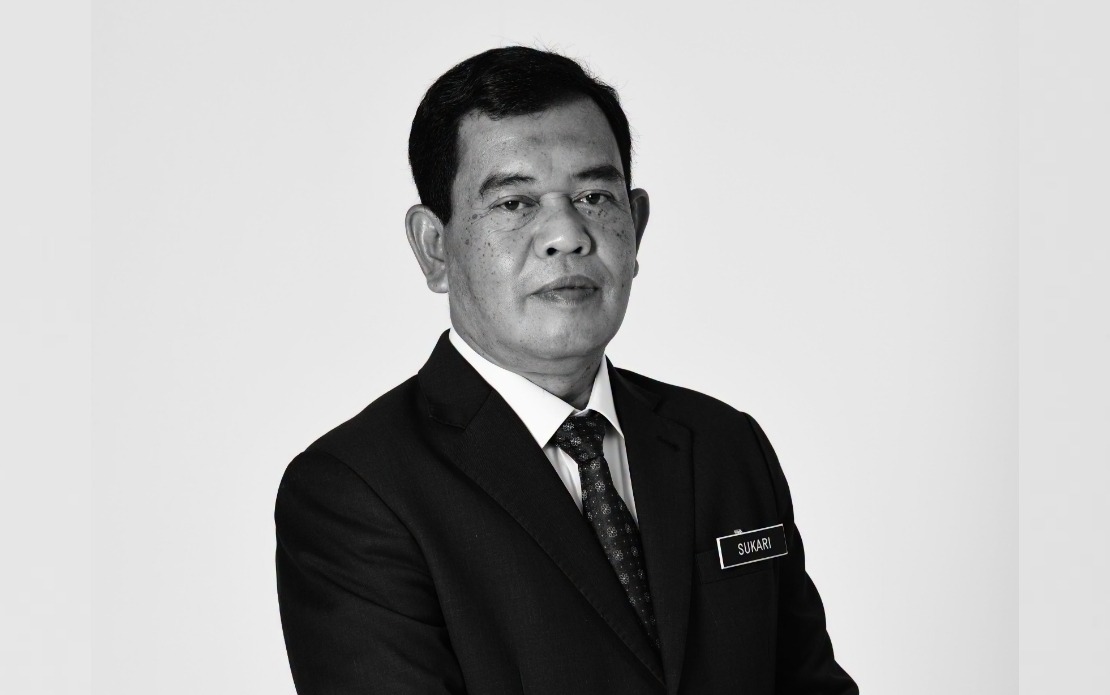
Communications Minister Datuk Seri Fahmi Fadzil has paid tribute to Datuk Mohd Sukari Ab Hamid, the former director-general of the Information Department, following his death on August 3. The 65-year-old veteran civil servant was laid to rest after afternoon prayers at Sakinah Cemetery in Kampung Melayu, Kepong.
In a Facebook statement, Fahmi described Mohd Sukari as one of the initial officials he engaged with upon assuming leadership of the Communications Ministry, underscoring the departed's central role in the portfolio. The minister emphasised that Mohd Sukari had been instrumental in supporting his tenure and executing key responsibilities across the ministry's operations.
Mohd Sukari's tenure as Information Department director-general spanned more than three years, from his appointment on December 7, 2020, until his retirement on March 20, 2024. During this period, he oversaw one of Malaysia's most visible government agencies, responsible for managing information dissemination and public communication on behalf of the federal administration.
Fahmi's remarks reflect the significance attributed to Mohd Sukari's contributions within the ministry's institutional framework. The minister acknowledged that the loss reverberated across the entire Communications Ministry structure, with particular impact on the Information Department itself. Such recognition from the sitting minister indicates the calibre of professional relationships maintained between the political leadership and senior civil service apparatus.
The Information Department, under Mohd Sukari's stewardship during his final years in office, navigated a complex communications environment. Malaysia's media landscape and government messaging strategies evolved considerably during the 2020-2024 period, a timeframe coinciding with the nation's recovery from the COVID-19 pandemic and transitions in political governance at both federal and state levels.
Mohd Sukari represented a generation of career civil servants who progressed through the ranks of Malaysia's bureaucratic system, eventually commanding significant responsibility within central government operations. His retirement in March 2024, just months before his passing, suggested he had completed his full service obligations in the public sector.
In his statement, Fahmi invoked Islamic prayers for the deceased, requesting divine forgiveness and mercy for Mohd Sukari's soul. Such expressions align with conventional protocols observed within Malaysia's governmental establishment when senior officials or their family members pass away, reflecting both personal respect and institutional practice.
The passing of Mohd Sukari removes from active memory a significant figure in Malaysia's information management infrastructure. Those who worked closely with him across multiple administrations would have retained institutional knowledge about government communication protocols, media relations, and the operational mechanisms of the Information Department spanning several electoral cycles and policy transitions.
For the Information Department moving forward, the loss necessitates reflection on leadership continuity and the transmission of operational expertise to incoming generations of information professionals. The department's role in coordinating government messaging, managing media relations, and overseeing official information channels remains central to Malaysia's public administration, particularly given the evolving nature of digital communications and social media engagement.
Mohd Sukari's career path exemplified the progression available to Malaysian civil servants who demonstrate competence and dedication within the government machinery. His elevation to the director-general position represented recognition of capabilities developed over decades of service across various portfolios and administrative challenges.
The outpouring of official condolences from the Communications Ministry reflects not merely protocol but genuine acknowledgment of Mohd Sukari's contributions to institutional functioning. In bureaucratic systems, such transitions often become occasions for assessing the effectiveness of departing leaders and considering lessons applicable to successor appointments and strategic priorities.

