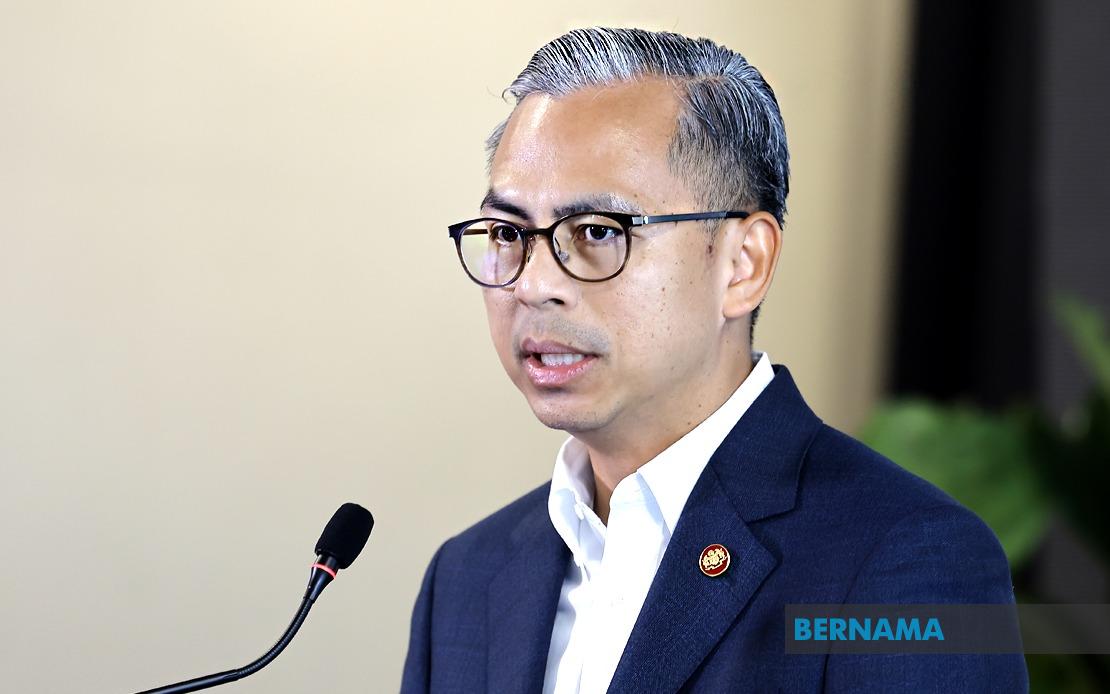
Communications Minister Datuk Fahmi Fadzil, who also serves as the Unity Government spokesperson, will be the most prominent recipient in this year's Penang state honours ceremony. The government is conferring a total of 1,221 state honours, awards and medals to mark the 85th birthday celebration of Penang Governor Tun Ramli Ngah Talib. Fahmi stands alone as the only recipient of the Darjah Panglima Pangkuan Negeri (DPPN), a distinction that grants him the Datuk Seri title and underscores his stature within the federal government and his service to the nation.
The investiture event represents one of Penang's most significant annual recognition ceremonies, spreading across four consecutive days beginning in July. The breadth of the honour roll reflects the state's commitment to recognising excellence and service across multiple sectors of Malaysian society. According to Penang State Legislative Assembly Speaker and State Government Official Ceremonies Committee chairman Datuk Seri Law Choo Kiang, the full ceremony will run from July 10 through July 15, with 101 individuals receiving formal state honours and an additional 1,120 receiving awards and medals of merit.
Beyond Fahmi, the honours system recognises a carefully tiered structure of achievement. Nineteen individuals, including Chief Judge of Malaya Datuk Seri Hashim Hamzah, will receive the Darjah Gemilang Pangkuan Negeri (DGPN), also carrying the Datuk Seri title. This tier includes corporate leadership figures such as MARA Incorporated Sdn Bhd chairman Datuk Abdul Halim Mohammad and Invest Penang chief executive officer Datuk Loo Lee Lian. The DGPN recipients also encompass business sector representatives, demonstrating how the honours system bridges government, judicial, and commercial spheres.
The corporate world features prominently among the DGPN recipients, reflecting Penang's positioning as an economic hub in Malaysia. Tan Sri D. Murugan, managing director of Pelita Samudra Pertama (M) Sdn Bhd, joins the cohort alongside Menara Rezeki Sdn Bhd managing director Datuk Saiful Nizam Mohd Yusoff and M Summit Group chairman Datuk Moh See Eng. Their recognition signals acknowledgment of the private sector's contributions to economic development and employment creation within the state.
A further nine individuals will receive the Darjah Yang Mulia Pangkuan Negeri (DMPN), while seventy-two recipients secure the Darjah Setia Pangkuan Negeri (DSPN), both carrying the Datuk title. The DMPN recipients include former Penang police chief Datuk Azizee Ismail and UEM Group Bhd managing director Datuk Amran Hafiz Affifudin, reflecting recognition of law enforcement and infrastructure sector leadership. This tier acknowledges significant contributions from those who have served in positions of public responsibility.
Among DSPN recipients is the late renowned film actor, director and scriptwriter Nordin Ahmad, who worked with Cathay-Keris Film Productions. His inclusion—even posthumously—recognises Malaysia's cultural and creative heritage and the enduring impact of media industry pioneers. The honours also extend to national security and disaster management, with National Disaster Management Agency (NADMA) director-general Datuk Meor Ismail Meor Akim receiving recognition for his role in coordinating emergency response and public safety initiatives across the nation.
The full spectrum of DSPN recipients demonstrates how honours capture service across diverse domains. Bank Rakyat chairman Datuk Mohd Irwan Mohd Mubarak brings recognition to the cooperative banking sector, which serves Malaysia's lower-income populations. Penang Development Corporation (PDC) CEO Abdul Latiff Abd Aziz and SRS Projek Transit Aliran Ringan (LRT) Sdn Bhd project director Adil Putra Ahmad represent infrastructure and urban development expertise. Deputy State Secretary (Development) Mohamed Abdul Rahman's honour acknowledges the civil service administrators who drive state-level policy implementation.
The remaining honour categories distribute recognition more broadly across society. Ninety-two individuals will receive the Darjah Johan Negeri, followed by the Bintang Cemerlang Negeri bestowed on thirty-one recipients. These lower tiers acknowledge consistent service and merit across government agencies, non-governmental organisations, local enterprises, and voluntary associations. The breadth of these categories reflects how state honours systems increasingly recognise contributions beyond traditional elite circles.
Most numerous are the medals of merit and service recognition awards. The Pingat Kelakuan Terpuji goes to 194 recipients, the Pingat Jasa Kebaktian to 328, the Pingat Jasa Masyarakat to 463, and the Pingat Bakti Setia to twelve recipients. These categories encompass frontline civil servants, community leaders, and ordinary citizens whose accumulation of efforts strengthens local institutions and social fabric. The preponderance of recipients at these levels demonstrates how modern honours systems have evolved toward inclusivity while maintaining hierarchical distinction.
The composition of this year's recipients maps Penang's demographic and economic landscape. The honours span federal and state civil servants, elected politicians, multinational and local corporate figures, civil society representatives, small entrepreneurs and cooperative leaders. Datuk Seri Law Choo Kiang's statement emphasises this deliberate inclusivity, framing honours as recognition of multisectoral contribution to state development. For Malaysian governance, this signals how states use ceremonial recognition to reinforce social cohesion and legitimacy across competing interest groups.
For regional observers, Penang's honours system illustrates how Malaysian states maintain distinct ceremonial autonomy while operating within the federal constitutional framework. The governor's birthday investiture remains an important occasion for state governments to exercise cultural and administrative authority. Fahmi's singular position as DPPN recipient also carries federal implications, marking a senior government figure's recognition by a state administration aligned with the current federal coalition.
The four-day ceremony schedule reflects the logistical complexity of recognising over a thousand individuals while maintaining ceremonial solemnity. This extended format allows both prominent recipients and less visible contributors time for formal acknowledgment. For Malaysian civil society, the inclusion of NGO members, entrepreneurs, and voluntary workers within the same honours framework suggests evolving attitudes toward recognising service beyond government employment.

