The Malaysian government has intensified its response to climate challenges through an expanded cloud seeding programme, conducting 35 operations across strategic locations from February to June as part of its broader strategy to mitigate the effects of El Nino and protect the nation's water security. The initiative, which targets rainfall enhancement to boost dam levels and reduce the impact of hot, dry conditions, reflects growing recognition that traditional water management approaches require supplementation in an era of increasingly volatile weather patterns.
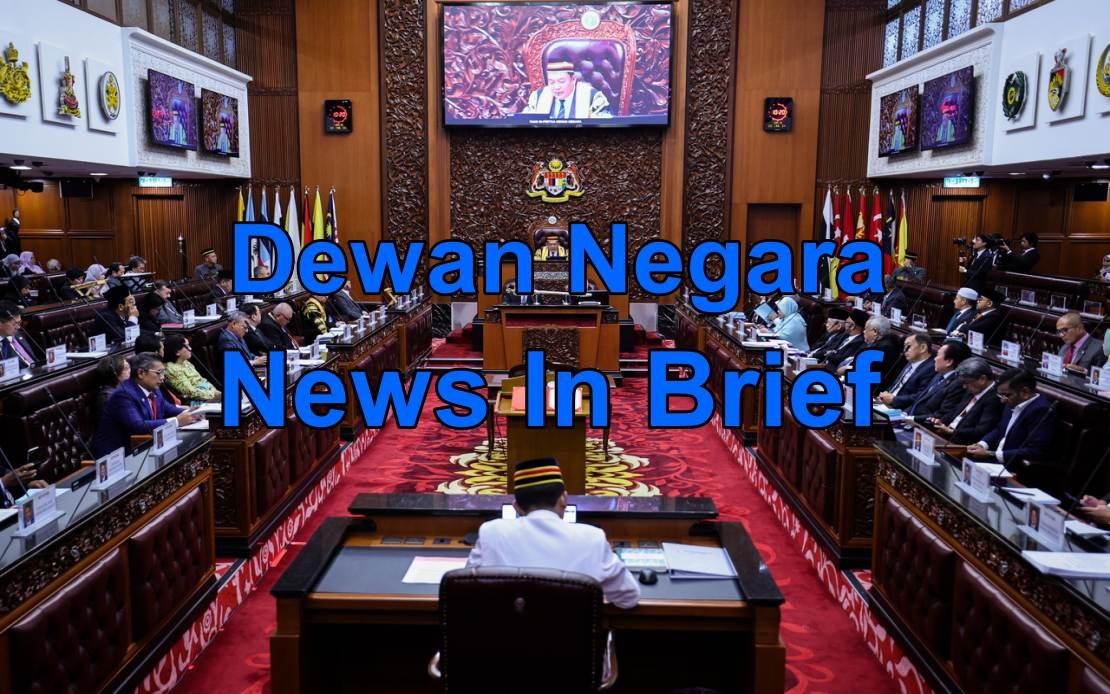
Deputy Natural Resources and Environmental Sustainability Minister Syed Ibrahim Syed Noh outlined the operational framework during parliamentary question time, emphasising the collaborative nature of the programme, which brings together the National Disaster Management Agency and the Royal Malaysian Air Force. These agencies work in tandem to identify optimal atmospheric conditions for seeding operations, a technical process that remains dependent on favourable mesospheric circumstances. The timing and scale of the operations underscore official concern about El Nino's trajectory, with meteorological projections suggesting the phenomenon's influence may persist through early 2027.
The cloud seeding operations address three interconnected vulnerabilities that extend beyond water supply alone. By increasing precipitation levels, the government aims simultaneously to mitigate haze episodes during dry spells and address broader environmental stress on ecosystems and public health. For Malaysian readers, this represents a tangible policy response to weather volatility that has become increasingly familiar, with the operations targeting regions where water security has emerged as a constraint on economic activity and household consumption.
In parallel, the Progressive Wage Policy has demonstrated measurable economic gains for lower-income workers, delivering a 15.79 per cent increase in median wages for entry-level employees who now earn RM2,200 monthly, up from RM1,900. Economy Minister Akmal Nasrullah Mohd Nasir revealed that the scheme has already exceeded its original target of 50,000 participants, reaching 51,363 workers across 4,025 participating employers. This performance metric carries significance for Malaysia's broader labour market, where wage growth at the entry level has historically lagged productivity improvements.
Non-entry-level workers have also benefited, though at a more modest rate, with median wages rising 10.86 per cent to RM2,438 monthly. The differential between entry-level and broader worker gains suggests the policy has been calibrated to provide steeper support for those at the lower end of the income distribution—a progressive design that addresses inequality while maintaining cost control. The government has allocated RM300 million to sustain the programme through 2027, signalling confidence in its continuation and potential expansion.
The administration is currently preparing a comprehensive impact assessment to evaluate whether the policy framework can be extended more broadly across the economy. Such an evaluation would examine not only wage effects but also employer adaptation costs, labour market dynamics, and potential inflationary pressures. For Malaysian stakeholders, this assessment period represents a critical juncture where early evidence of success may influence future labour market policy architecture across Southeast Asia's third-largest economy.
Cultural heritage recognition emerged as another parliamentary priority, with the Tourism, Arts and Culture Ministry signalling openness to designating Malaysian Tamil music and songs as National Heritage under the 2005 National Heritage Act. Deputy Minister Chiew Choon Man outlined a structured process whereby artistic works must undergo formal research, documentation, and evaluation to establish their cultural and historical significance before formal recognition. This procedural requirement, rooted in Subsection 67(2) of the heritage legislation, ensures that designations rest on scholarly foundation rather than political consideration alone.
The government's approach reflects a broader commitment to documenting and preserving Malaysia's ethnic and cultural diversity through official institutional mechanisms. Tamil music's potential elevation to heritage status carries symbolic weight for Malaysia's Indian community, particularly given the genre's deep historical roots and its role in shaping the nation's cultural landscape across multiple generations. The recognition process, while deliberately methodical, signals receptiveness to claims that have previously received limited formal acknowledgement in national heritage frameworks.
Rigour in heritage evaluation serves several purposes simultaneously. It protects the designation process from dilution while ensuring that recognised works genuinely merit preservation status based on enduring cultural value. The requirement for historical connection to Malaysia's national narrative ensures that heritage recognition remains tethered to the specific developmental and social context of the Malaysian nation, rather than generic cultural merit. For researchers and cultural institutions, this framework provides clarity about standards and expectations governing heritage applications.
The government also addressed merchant concerns regarding the Sumbangan Asas Rahmah (SARA) initiative, confirming that it will periodically review the one per cent merchant discount rate imposed on participating traders. Finance Minister II Datuk Seri Amir Hamzah Azizan explained that the MDR represents the sole cost mechanism, protecting aid recipients from direct charges while distributing the programme's operational burden across the merchant ecosystem. The commitment to review the rate reflects official sensitivity to small trader concerns, an important consideration given that Malaysia's retail landscape remains dominated by smaller establishments, particularly in secondary and tertiary towns.
The MDR collected through SARA transactions flows back to Yayasan MyKasih to cover system development, merchant training, transaction monitoring, and customer service functions. This closed-loop funding model ensures that the assistance programme remains self-financing while maintaining the zero-cost structure for beneficiaries. The government's willingness to revisit the rate suggests recognition that a fixed charge may impose disproportionate burdens on lower-turnover establishments, a concern particularly acute in rural and semi-urban retail environments.
For Malaysian businesses and consumers, these parliamentary announcements collectively signal government commitment to three complementary objectives: environmental resilience through cloud seeding, labour market improvements through wage policy, and inclusive development through both cultural recognition and equitable assistance mechanisms. The combination reflects a policy framework attempting to address concerns spanning climate adaptation, economic security, cultural preservation, and social cohesion—interconnected challenges that will likely dominate Malaysian governance conversations throughout 2024 and beyond.

