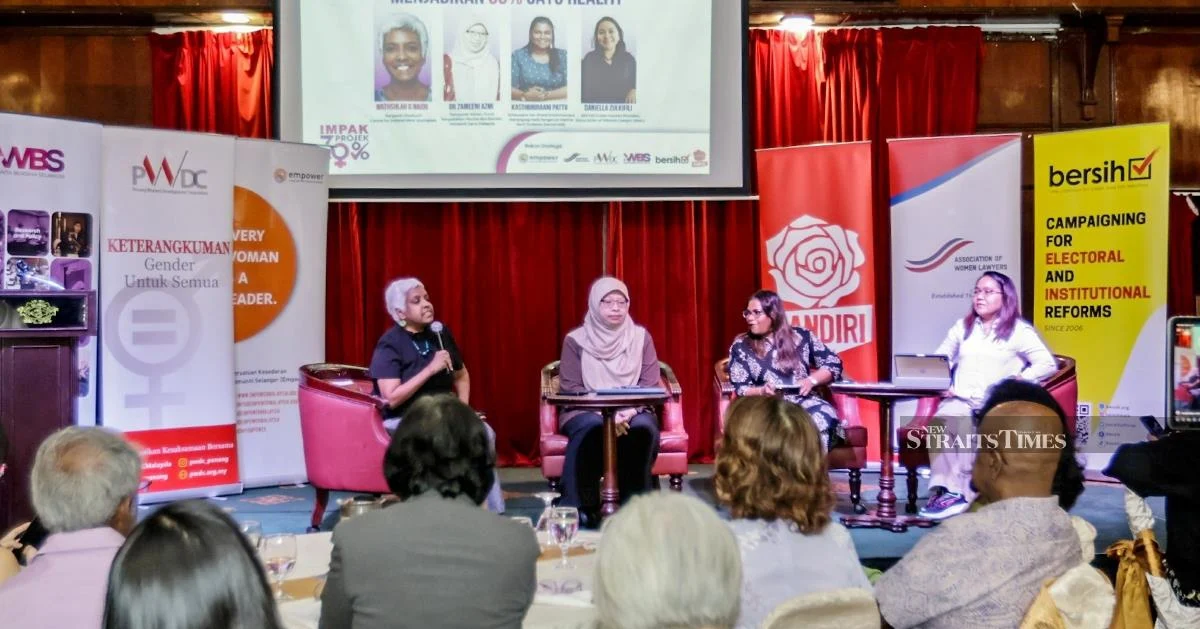
A coalition of civil society organisations has formally presented a memorandum and proposed legislation to the Malaysian government, urging political parties to adopt a mandatory threshold of at least 30 per cent women candidates for the upcoming general election. The submission represents a coordinated effort by advocacy groups seeking to address the persistent gender imbalance within Malaysia's political landscape and parliamentary representation.
The 30 per cent benchmark reflects international best practices and aligns with recommendations from various United Nations bodies on gender equality in political participation. Many democracies across the globe have implemented similar quotas or targets, recognising that meaningful representation requires deliberate structural measures rather than organic progression. For Malaysia, adopting such a standard would constitute a substantial leap forward, as current female representation in parliament remains considerably below this threshold, underscoring the systemic barriers women continue to face when pursuing elected office.
The timing of this submission carries particular significance as Malaysia approaches its next electoral cycle. General Election 16 represents a critical juncture where legislative frameworks and party nomination practices can be reformed, establishing precedents that may shape political participation for years to come. By submitting draft legislation rather than merely appealing for voluntary compliance, the coalition has escalated the conversation beyond aspirational targets to concrete regulatory proposals that governments can implement through formal parliamentary procedures.
Women's political participation in Malaysia has historically lagged behind many regional counterparts, with entrenched factors contributing to this disparity. These include traditional perceptions about leadership roles, unequal access to party machinery and funding networks, family responsibilities that disproportionately affect women candidates, and the informal gatekeeping practices within political parties that have historically favored male candidates. The push for a legislated quota seeks to circumvent these structural obstacles by making gender-balanced nominations a legal requirement rather than a discretionary matter left to party leadership.
From a democratic governance perspective, the proposal addresses a fundamental principle of representative democracy—that legislative bodies should reflect the demographic composition of the electorate. Women comprise approximately half of Malaysia's voting population, yet their voices remain underrepresented in parliament. This disparity translates into policy blind spots, as issues affecting women disproportionately may receive insufficient attention when female legislators remain outnumbered. Enhanced women's participation thus improves policy quality and responsiveness across all portfolios, from healthcare and education to economic policy and social welfare.
The draft legislation submitted by the coalition likely contains provisions specifying enforcement mechanisms and timelines for compliance. Successful quota systems elsewhere require clear definitions of what constitutes compliance, penalties for non-compliance, and transparent monitoring procedures. The Malaysian government will need to consider how to administer such requirements across the dozens of political parties contesting elections, and whether quota obligations apply uniformly or with adjustments for party size and electoral circumstances.
Political party responses to this proposal will prove instructive regarding Malaysia's political culture and commitment to gender equality. Parties that have already benefited from female mobilization and voting blocs may be more receptive, while others may resist on grounds of candidate merit and party autonomy. However, international experience suggests that mandatory quotas initially encounter resistance but ultimately become normalized once implemented, particularly when demonstrated to produce competent candidates and improved electoral performance.
The broader Southeast Asian context provides relevant comparisons. Several regional nations have implemented or seriously debated quota systems, with varying approaches and outcomes. Vietnam mandates 30 per cent women in People's Council and National Assembly seats through its party system, while Indonesia has applied 30 per cent quotas in legislative elections since 2003. These examples offer valuable lessons regarding implementation challenges, loopholes such as token nominations, and the importance of complementary measures like party-level training and mentorship programmes to ensure quota effectiveness.
Beyond legislative mandates, successful women's political representation requires supporting infrastructure. Political parties must invest in identifying and developing female talent, providing campaign training and financial support comparable to male candidates, and creating internal party structures that encourage women's advancement. Civil society organisations play a crucial role in this ecosystem, through voter education campaigns highlighting women candidates, monitoring electoral processes for gender discrimination, and holding parties accountable to commitments made regarding women's representation.
The economic implications of greater women's political participation extend beyond symbolic representation. Research demonstrates correlations between female legislative representation and improved social development indicators, economic growth, and reduced corruption. Women legislators have prioritised investments in education and healthcare that generate measurable returns on social investment. From Malaysia's perspective as an aspirational upper-middle income nation seeking sustainable development, enhanced women's political participation represents an untapped resource for addressing policy challenges and improving institutional performance.
For Malaysian voters, particularly women constituents, the 30 per cent quota proposal signals growing political space for demanding systemic change. Civil society's willingness to formalize advocacy through draft legislation, rather than relying solely on persuasion, reflects confidence that the electorate increasingly expects gender-balanced political participation as a governance norm rather than an optional improvement. This shift in expectations may gradually reshape party strategies and candidate selection processes, even before formal legislation materializes.
The government's response to this memorandum will likely reveal its actual commitment to gender equality beyond rhetorical endorsements. Implementation would require coordination across multiple agencies and genuine engagement with political parties, some of which may perceive quotas as threatening established power structures. Successful adoption would position Malaysia among regional leaders on women's political participation, potentially inspiring similar measures in other Southeast Asian nations and contributing to broader democratic consolidation across the region.