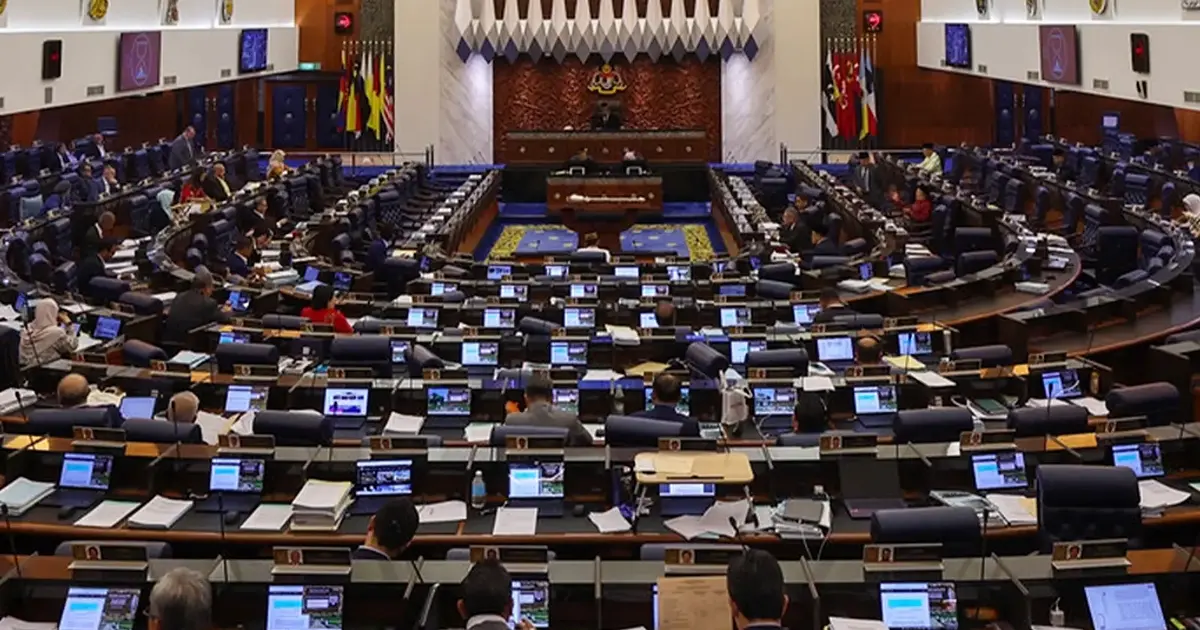
A coalition of non-governmental organisations has appealed directly to the Prime Minister to broker a comprehensive political agreement that would allow Parliament to complete its full term while establishing a unified framework for institutional reforms. The groups argue that such a cross-party consensus on governance improvements would strengthen Malaysia's democratic institutions and provide continuity beyond the next general election.
The NGO representatives contend that the current political landscape presents a unique opportunity for substantive engagement between government and opposition blocs. Rather than allowing incremental, one-sided reforms that reflect only the preferences of the party in power, they propose a structured dialogue that would produce reforms with broader legitimacy. This approach, they suggest, would insulate key institutional changes from the volatility of electoral cycles and protect them from reversal when power transitions occur.
Central to their proposal is the notion that a dedicated summit convening senior leaders from both government and opposition formations should establish baseline reforms that enjoy consensus support. Such an arrangement would differ markedly from the ad-hoc consultations that typically occur and would signal a commitment to institutional development transcending partisan interest. The timing, they argue, is critical—reforms agreed upon now would have sufficient runway for meaningful implementation before the electoral process disrupts parliamentary routines.
The call reflects growing frustration within Malaysia's civil society ecosystem regarding the reactive nature of governance reform. Rather than pursuing transformational changes, policymakers typically implement modest adjustments in response to public pressure or crisis moments. NGO actors contend this pattern leaves fundamental structural weaknesses unaddressed and prevents the emergence of enduring institutional improvements. A negotiated pact would enable deliberate, forward-looking reform rather than crisis-driven interventions.
For Malaysian voters, particularly those concerned about democratic resilience and institutional integrity, such an arrangement would offer tangible reassurance that governance improvements rest on solid political consensus rather than narrow partisan majorities. The diversity of political voices currently represented in Parliament provides the foundation for such cooperation, though realising it requires political will from multiple quarters. The NGO position essentially argues that visionary leadership would recognise the mutual benefits of collaborative institution-building.
Regionally, Malaysia's approach to cross-party reform pacts holds significance for other Southeast Asian democracies grappling with similar governance challenges. Thailand, Indonesia, and the Philippines have all experimented with various mechanisms for building consensus on institutional matters, with mixed results. A successful Malaysian model could offer valuable lessons about sequencing, stakeholder involvement, and the conditions necessary for opposition participation in constructive dialogue without sacrificing principled opposition or electoral competition.
The practical mechanics of such a pact would likely involve establishing working groups focused on specific reform domains—parliamentary procedures, electoral administration, anti-corruption frameworks, and media regulation represent potential candidates. Each group would comprise representatives from government and opposition camps, tasked with identifying common ground and drafting reform proposals. The results would then require formal adoption through appropriate parliamentary mechanisms, giving the reforms legislative permanence.
Sceptics question whether opposition coalitions would participate constructively in such a process, fearing that engagement might inadvertently legitimise government policies they contest. Conversely, some within government view opposition demands for reform as coded attempts to constrain executive power ahead of an electoral challenge. These perspectives, while understandable, miss the distinction between principled institutional reform and partisan advantage-seeking. The NGO framing attempts to elevate the conversation above such zero-sum calculations.
The call also carries implications for Malaysia's standing internationally, particularly among democracies monitoring governance trajectories in Southeast Asia. Demonstrating capacity for collaborative institutional renewal signals maturity and commitment to democratic principles transcending electoral cycles. This consideration has become increasingly relevant as international observers assess the health of democratic institutions across the region against benchmarks of institutional independence, rule of law, and substantive political competition.
The success of such an initiative would depend substantially on how the Prime Minister responds to the NGO appeal. If receptive, the administration would need to identify opposition counterparts genuinely empowered to negotiate binding commitments, establish mechanisms insulating discussions from partisan point-scoring, and ensure transparency that allows civil society and the broader public to monitor progress. These requirements are administratively complex but not insurmountable.
For Malaysia's institutional future, the NGO proposal represents a potential turning point—an opportunity to move beyond reactive governance reform toward strategic institutional strengthening. Whether political leaders across the spectrum recognise this opportunity as genuine interest in collaborative governance rather than tactical manoeuvre will determine whether such efforts gain traction. The NGOs have articulated the case compellingly; the burden now rests with parliamentary leadership to demonstrate whether similar vision animates their political calculations.
The broader question this situation raises concerns the relationship between electoral competition and institutional development in maturing democracies. Must democratic systems choose between vigorous political contestation and collaborative governance improvement, or can they manage both simultaneously? The NGO initiative implicitly suggests the latter, contingent on leadership willing to distinguish between partisan advantage and collective institutional welfare. Malaysia's response will provide instructive guidance for comparable democracies navigating similar tensions.

