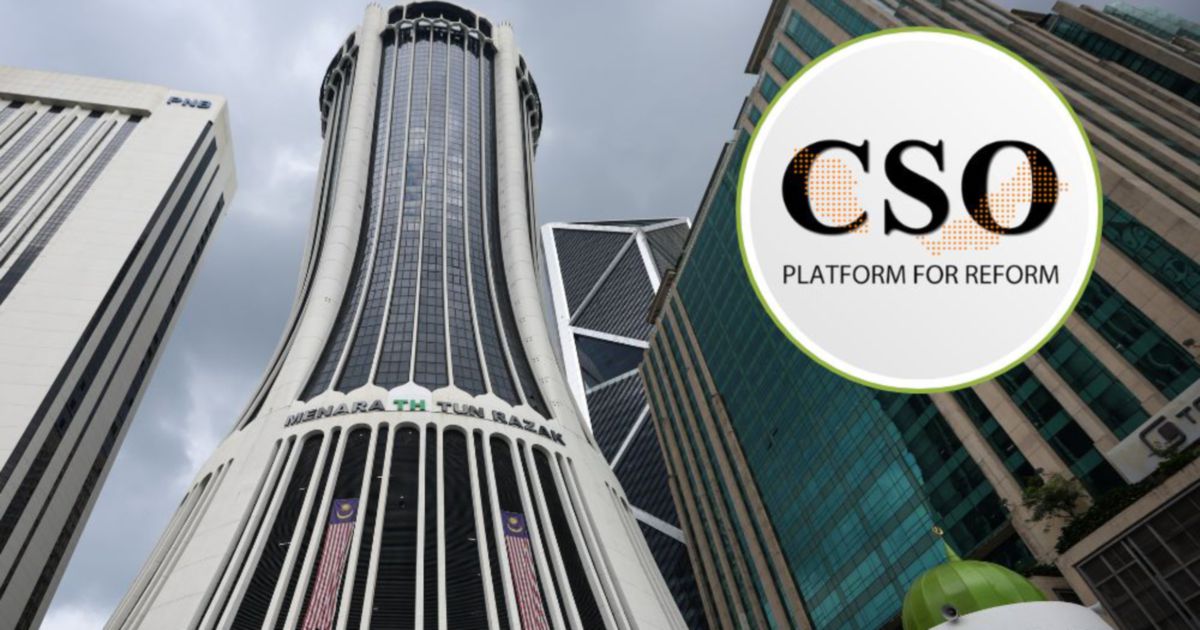
Civil society organisations have intensified pressure on the government to launch an independent and transparent probe into the institutional collapse at Lembaga Tabung Haji, arguing that the Royal Commission of Inquiry's findings have exposed systemic failures requiring far deeper scrutiny than currently planned. The CSO Platform for Reform, a coalition representing diverse non-governmental groups, contends that a comprehensive investigation is essential to establish accountability, prevent future mismanagement, and restore public confidence in one of Malaysia's most significant religious and financial institutions.
The call reflects growing concern that the RCI report, while documenting various governance lapses and management oversights, may not adequately address the root causes of institutional breakdown or identify all parties responsible for the fund's deterioration. Civil society advocates argue that an independent probe would operate outside government and political pressures, enabling investigators to pursue findings wherever they lead without concerns about protecting reputations or political interests. This separation of investigative authority from executive influence is crucial, they contend, given the sensitive nature of Tabung Haji's role as custodian of pilgrim savings accumulated through decades of dedicated contributions.
Tabung Haji's troubles have centred on investment losses, questionable property transactions, and inadequate management oversight that eroded the fund's value and jeopardised millions of contributors' retirement savings. The institution's woes became public amid revelations of substantial losses in various ventures, including controversial real estate purchases that appeared poorly timed or inadequately assessed. These failures occurred despite Tabung Haji's mandate to prudently invest and safeguard funds belonging to Muslim Malaysians preparing for the Hajj pilgrimage, placing the scandal at the intersection of religious trust and fiduciary responsibility.
Civil society organisations emphasise that transparency mechanisms must accompany any investigation to ensure findings become public knowledge rather than remaining confined within government circles or subject to selective disclosure. They argue that contributors and the broader Malaysian public deserve full visibility into how institutional decision-making unfolded, which officials bore responsibility, and what systemic reforms will prevent recurrence. Without public accountability, they warn, public trust in both Tabung Haji and government-linked institutions more broadly will continue eroding, undermining the credibility of agencies entrusted with managing essential national programmes.
The push for independent investigation also reflects broader anxieties about governance accountability in Malaysia's institutional landscape. Recent years have witnessed multiple scandals affecting government-linked companies and statutory bodies, prompting questions about whether existing oversight mechanisms function effectively. Critics contend that internal investigations often lack the independence necessary to reach uncomfortable conclusions or challenge entrenched interests, while parliamentary scrutiny, though theoretically available, sometimes falls short of achieving meaningful accountability. An external, independent inquiry would theoretically sidestep these limitations by employing specialists unencumbered by institutional loyalties or political calculation.
For Malaysian Muslims specifically, Tabung Haji's mismanagement carries particular sting because the fund functions as a sacred trust built through disciplined saving over many years. Pilgrims view their accumulated contributions as protected resources dedicated to performing one of Islam's five pillars, not as investment assets subject to market volatility or management incompetence. The breach of this trust—the expectation that savings would be conserved and grown responsibly—strikes at both financial security and spiritual confidence. This dimension distinguishes Tabung Haji's failures from those of purely commercial entities and explains why civil society groups insist on particularly rigorous accountability measures.
The RCI's work has doubtless documented specific incidents and identified certain failures, yet civil society advocates question whether the inquiry's scope and mandate permitted sufficiently deep investigation into institutional culture, decision-making processes, and the networks of influence that may have enabled poor decisions. An independent follow-up inquiry could examine these structural dimensions, potentially revealing organisational patterns that contributed to the crisis. Such an investigation might also explore whether adequate checks existed to challenge risky investment strategies or whether board and management structures prevented dissent and alternative perspectives from surfacing.
Regional context adds weight to these arguments. Throughout Southeast Asia, similar governance crises affecting religious or community-based financial institutions have prompted demands for enhanced transparency and accountability. Malaysia's own experience with other institutional failures has shown that comprehensive, independent investigation often yields findings that narrower inquiries miss, ultimately producing more effective reforms. Civil society groups point to international best practices where independent commissions investigate institutional collapse, establishing facts, assigning responsibility, and recommending systemic improvements without political interference.
The government's response to these calls will signal its commitment to institutional accountability and public trust. Establishing an independent investigation would require appointing investigators without political affiliation, securing adequate resources, guaranteeing access to all relevant documents and witnesses, and committing to public release of findings. These measures would represent substantial confidence-building actions, though critics note that previous Malaysian governmental inquiries into institutional failures have sometimes faced resource constraints or seen recommendations inadequately implemented. Tabung Haji's significance—encompassing religious dimensions, millions of individual contributors, and substantial financial assets—makes the quality and independence of any investigation particularly consequential.
Moving forward, the institutional lessons from Tabung Haji's collapse extend beyond the organisation itself. The crisis has prompted broader reflection on governance frameworks for government-linked institutions, the adequacy of internal audit and risk management, and whether existing regulatory mechanisms sufficiently protect public assets. Civil society advocates use this moment to push not merely for investigation of past failures but for systemic reforms that would strengthen governance across Malaysia's institutional ecosystem. A truly independent, comprehensive inquiry into Tabung Haji could serve this larger reform agenda, establishing precedent and standards for how Malaysia addresses institutional accountability when sacred trusts are breached.

