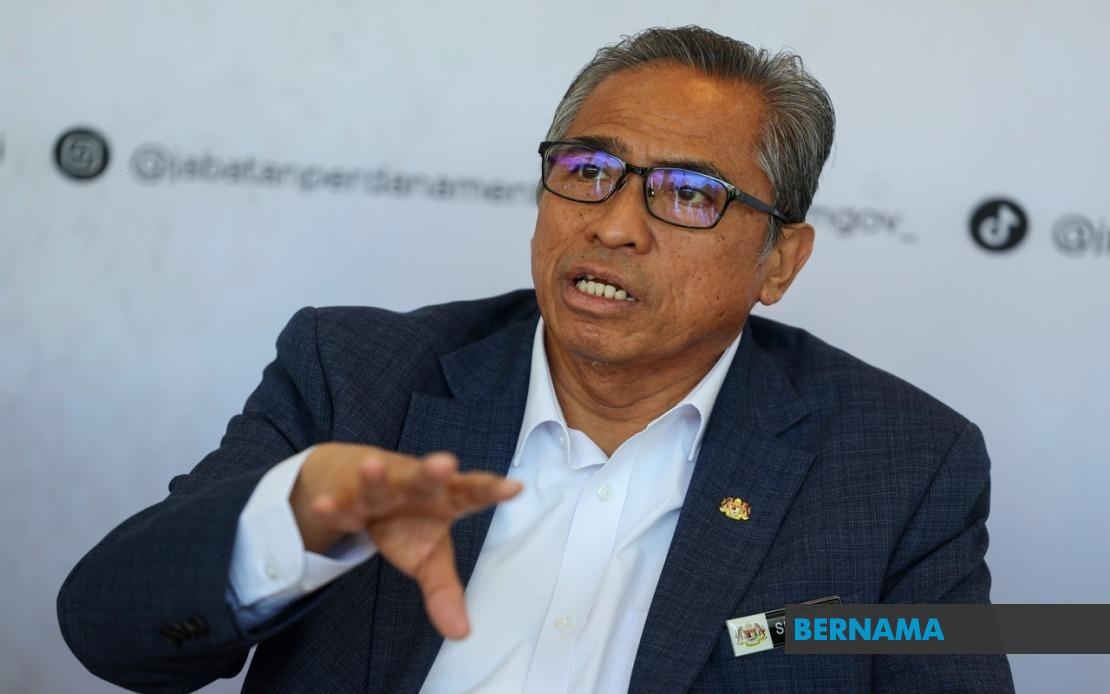
The machinery of government must become a faithful executor of the country's international ambitions, according to Tan Sri Shamsul Azri Abu Bakar, who heads Malaysia's civil service. Speaking in Kuala Lumpur on June 24, the Chief Secretary to the Government stressed that as the backbone of the nation, public servants bear responsibility for converting high-level diplomatic achievements into concrete domestic prosperity. His remarks underscored a critical gap that often exists between foreign policy successes and their realisation through effective domestic implementation—a challenge particularly acute for developing economies seeking to leverage international engagement.
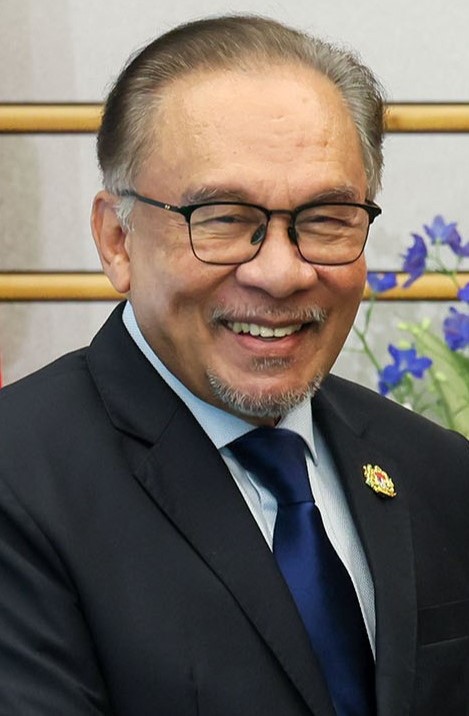
The Chief Secretary pointed specifically to Prime Minister Datuk Seri Anwar Ibrahim's recent diplomatic missions to Russia and Turkmenium as exemplifying Malaysia's strategic repositioning within shifting global power structures. These working visits, he argued, represented more than symbolic gestures; they opened pathways for exploring untapped markets and deepening ties with established trading partners. For Malaysia, a small economy highly dependent on regional and international trade flows, such diplomatic breakthroughs carry outsized significance. By engaging Russia and Central Asian partners, Malaysia signals its intent to diversify beyond traditional Western markets and hedge against supply chain vulnerabilities exposed by geopolitical tensions.
Yet Shamsul Azri recognised that diplomatic success alone remains hollow without institutional capacity to deliver. He explicitly challenged ministries overseeing economic policy and international trade to match the ambition displayed at the presidential level. The efficiency and responsiveness of these agencies would determine whether new relationships translated into actual commerce, investment flows, and technology transfer. This speaks to a structural weakness in many Southeast Asian governments: brilliant foreign policy initiatives often languish unfulfilled because domestic bureaucracies lack the coordination, speed, or technical sophistication required to execute them. Malaysia must avoid this pitfall if it hopes to capitalise on its diplomatic positioning.
The Chief Secretary called for a fundamental shift in how public officials approach their work. Rather than operating within conventional institutional silos, government agencies must cultivate what he termed a "global mindset"—an awareness of how shifts in the international economic order reshape opportunities and threats for Malaysia. This requires officials to become strategic partners capable of operating at international standards. Such transformation demands investment in training, recruitment of specialists in emerging fields, and establishment of cross-agency coordination mechanisms that few developing-nation bureaucracies have successfully implemented. The challenge is organisational and cultural, not merely technical.
Shamsul Azri invoked the framework of MADANI Diplomacy, the government's approach to international engagement premised on advancing national interests while promoting regional cooperation and sustainable development. He argued that this philosophy must permeate all levels of governance, not remain confined to foreign ministry pronouncements. Government officials in every ministry, from agriculture to infrastructure, should internalise the principles of strategic thinking, inclusive partnership, and long-term value creation embodied in MADANI Diplomacy. This universalisation of diplomatic philosophy across the civil service represents an ambitious attempt to align institutional behaviour with national strategy.
Equally significant was his emphasis on the "Whole-of-Government" approach, a concept increasingly adopted by advanced nations to coordinate policy across traditionally siloed departments. For Malaysia, implementing this at scale could enhance its competitiveness considerably. When immigration authorities, investment boards, customs agencies, and industry regulators operate within a shared strategic framework and communicate effectively, the friction encountered by foreign investors and trading partners diminishes markedly. This becomes a competitive advantage in attracting capital and business activity, particularly against rivals like Thailand and Vietnam who have aggressively simplified their investment processes.
The Chief Secretary highlighted the Ease of Doing Business initiatives as a concrete priority area. Malaysia's ranking on World Bank indices measuring business regulatory environment has fluctuated, and competitive pressure from regional peers remains intense. Officials must accelerate licence approvals, harmonise contradictory regulations, and establish single points of contact for foreign investors navigating Malaysia's federal structure. These operational improvements may seem mundane compared to headline diplomatic achievements, but they determine whether Malaysia actually captures investment opportunities identified through high-level negotiations. Countries that excel internationally are often those where diplomacy meets flawless domestic execution.
Another crucial dimension Shamsul Azri emphasised was the need for agility and continuous capacity-building. The global economic landscape shifts rapidly—driven by technological disruption, geopolitical realignment, and climate imperatives—and Malaysia cannot afford a rigid, slow-moving bureaucracy. Public servants must continually upgrade skills in areas like digital trade, green finance, and emerging technology regulation. This requires dedicated budgets for professional development, recruitment of talent from private sector and academia, and creation of incentive structures rewarding innovation and results rather than mere compliance with procedures. Many Southeast Asian governments struggle with precisely this modernisation challenge.
The Chief Secretary framed economic benefits accruing from improved global positioning as distributed across Malaysian society. He highlighted job creation, particularly high-income employment opportunities for locals, as a key outcome. Foreign direct investment attracted through improved business environment should generate local employment in competitive sectors, reducing Malaysia's dependence on lower-skilled migrant labour. Additionally, strategic partnerships forged diplomatically could secure commodity supplies—a concern for resource-dependent regions vulnerable to supply shocks—and strengthen Malaysia's position as a reliable investment destination relative to less stable competitors. These tangible benefits matter far more to ordinary Malaysians than diplomatic symbolism.
Shamsul Azri's remarks also referenced the Public Service Reform Agenda (ARPA), an initiative aimed at modernising Malaysia's civil service. The ARPA's "internationalisation" enabler specifically targets building government capacity to engage effectively with global partners and implement international commitments. This suggests that Malaysia's leadership recognises systemic gaps in institutional capability and is attempting structured reform. Whether these programmes receive adequate funding, political protection from vested interests, and implementation discipline remains an open question, but the framing indicates serious intent.
For Malaysian stakeholders, the message was unambiguous: recent diplomatic advances represent an opening, not an achievement. The real test lies ahead, in how effectively the government machinery converts international engagement into domestic benefit. For regional observers, particularly in Southeast Asia, Malaysia's attempt to link high-level diplomacy with civil service transformation through coherent frameworks like MADANI Diplomacy offers a model—albeit one still being tested. Success would demonstrate that smaller nations can punch above their weight globally by combining strategic clarity with institutional excellence.