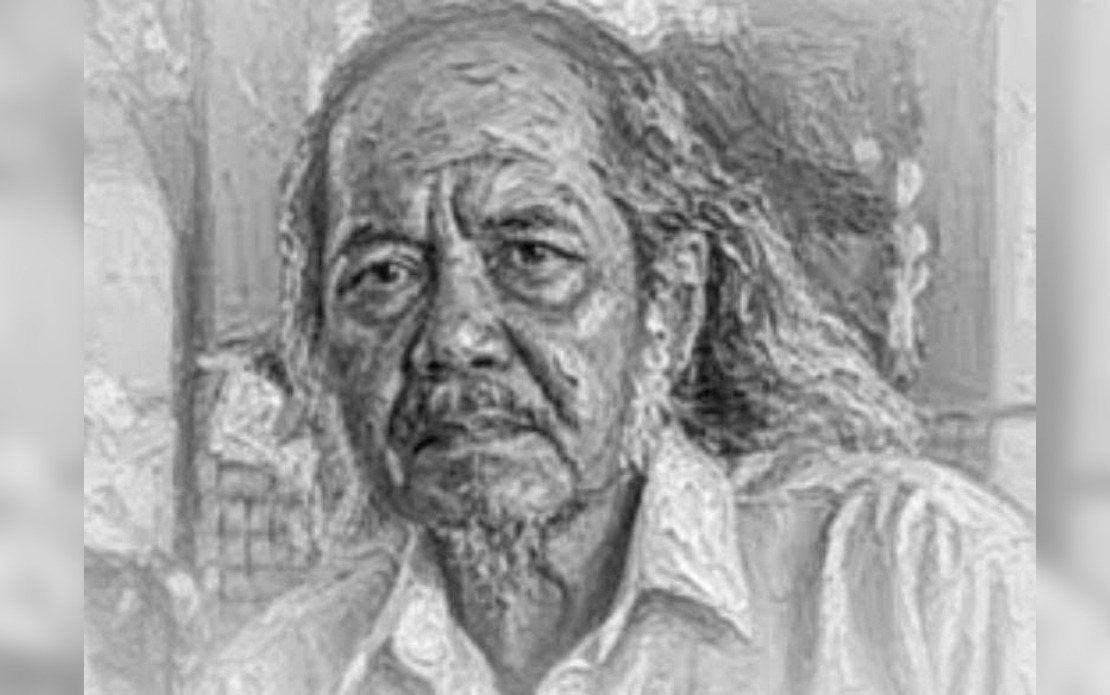
Kamarozaman Yusoff, the character actor affectionately known throughout Malaysia as Cik Man, has died at the age of 68 following heart complications at Tanah Merah Hospital in Kelantan. The Malaysian Artistes' Association (SENIMAN) has responded to the loss by honouring his contributions to the nation's creative industries, describing him as one of the country's most accomplished performers and a figure whose departure marks a significant moment for local cinema.
According to SENIMAN secretary-general Hafiz Nafiah, the actor's passing represents a profound loss for the arts community. Despite a career spanning more than four decades, Kamarozaman maintained a reputation built on the quality of his craft rather than the pursuit of celebrity status. What distinguished him in an increasingly image-conscious entertainment landscape was his commitment to natural, emotionally resonant performances that audiences found genuinely compelling. His work demonstrated that sustained excellence and dedication to the profession could command respect without the trappings of stardom.
One distinguishing feature of Kamarozaman's career was his masterful command of the Kelantan dialect, which he wielded with such authenticity that it became inseparable from his public identity. Regional linguistic characteristics have often been underutilised in Malaysian cinema, frequently relegated to comedy or stereotypical roles. Kamarozaman, however, elevated the Kelantan vernacular into an instrument of serious dramatic expression, using it to imbue his characters with cultural specificity and emotional depth. This approach helped establish him as an irreplaceable presence in Malaysian filmmaking.
The trajectory of his career began in earnest with his portrayal of Farouk in Gila-Gila Remaja in 1986, a role that introduced audiences to his distinctive on-screen presence. From that initial breakthrough, he methodically expanded his filmography across diverse genres and formats, appearing in Rozana Cinta 87, Rock, Rock Oo!, and Rock Bro!, each performance adding layers to his reputation as a reliable, versatile performer. His work in television drama, particularly the series Banyak Chanteq, demonstrated his ability to sustain character development across extended narratives, a skill that distinguishes serious actors from those who merely appear on screen.
Among his most celebrated contributions were his roles in the Rock film trilogy, which was directed by the late Mamat Khalid. These films occupy a particular place in Malaysian cinema history, representing a moment when local cinema engaged directly with youth culture and contemporary anxieties. Kamarozaman's character work within that trilogy has proven remarkably durable, continuing to resonate with audiences decades after initial release. The films' enduring popularity speaks to both the quality of the material and the authenticity Kamarozaman brought to his performances, ensuring that audiences continue to discover these works across generations.
Beyond his individual performances, Kamarozaman's influence extended to his relationships with younger performers entering the industry. SENIMAN's statement emphasises that while he eschewed the spotlight, his discipline and professional rigour earned deep respect from his peers and emerging talent. In an industry where mentorship often occurs informally, his very presence and example communicated standards of craftsmanship and commitment. This intergenerational influence, though difficult to quantify, may ultimately prove as significant as any individual role.
The circumstances of his passing—from heart complications while hospitalised in his native Kelantan—carry their own significance. The actor's roots in the state's cultural landscape were never obscured by his work in national cinema, a grounding that likely contributed to the authenticity audiences perceived in his performances. His willingness to remain connected to his regional origins while achieving national recognition positioned him as a bridge between local and broader Malaysian cultural expression.
SENIMAN's formal statement reflects broader concerns within Malaysia's creative industries about the preservation and celebration of artistic achievement. The association's emphasis that his works and contributions will endure suggests recognition that an actor's true legacy exists not in awards or commercial success alone, but in the durability of the films and performances themselves. In an era of rapid content consumption, the persistence of Kamarozaman's most important roles in collective memory testifies to their fundamental quality and cultural value.
The passing of established performers like Kamarozaman inevitably raises questions about the trajectory of Malaysian cinema and the transmission of professional values within the industry. His career, developed across the 1980s and beyond, occurred during a formative period for local filmmaking when the infrastructure and audiences for cinema were expanding. Contemporary actors entering the profession now inherit both the example of his work and the institutional memory that figures like him embodied. Whether the industry can cultivate similar dedication to craft in an environment increasingly shaped by digital media and rapid production cycles remains an open question.
For Malaysian audiences familiar with his work, Kamarozaman's films remain accessible, offering opportunities to revisit his performances and appreciate the subtlety and commitment he brought to character acting. This accessibility ensures that his professional legacy transcends obituary tributes, allowing successive viewers to form their own relationships with his most significant roles. The Rock trilogy, in particular, likely awaits rediscovery by new generations encountering Malaysian cinema for the first time, a living legacy that affirms his enduring contribution to the national film heritage.

