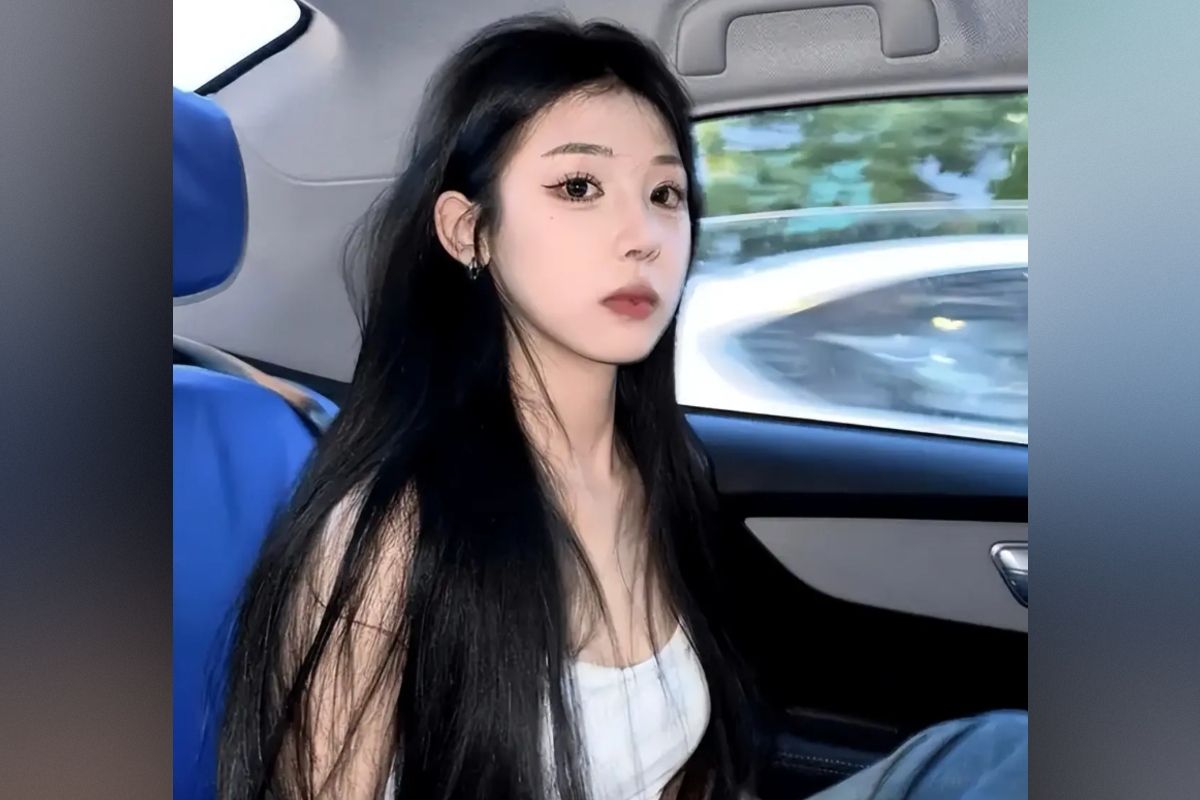
Jiang Xiaorou, a prominent paranormal content creator with more than 1.5 million followers on Douyin—China's dominant short-form video platform and TikTok equivalent—has passed away at the age of 24. She succumbed to severe injuries sustained in a car accident nearly four weeks after the incident occurred. Her family publicly confirmed her death on August 11, with reports indicating that she died on August 10 after being admitted to intensive care following the July 15 crash.
The fatal accident occurred when the ride-sharing vehicle Jiang was travelling in collided while en route from Guangxi province to Guangzhou. The impact was catastrophic, leaving her with severe traumatic brain injuries and haemorrhagic shock that required immediate intensive care admission at Sun Yat-Sen Memorial Hospital. Throughout her hospitalisation, Jiang remained in critical condition as medical teams worked to stabilise her condition, though the severity of her injuries ultimately proved insurmountable.
During her nearly month-long battle for survival in the intensive care unit, Jiang's mother launched an online appeal for financial assistance to cover the family's mounting medical bills. The public medical expenses associated with extended ICU treatment and specialist trauma care in China can quickly become overwhelming for families, and the appeal reflected the significant financial burden the family faced while caring for their gravely injured daughter.
Jiang had built a substantial following through her distinctive brand of paranormal and ghost-hunting content. Her videos typically featured explorations of abandoned structures, investigations into alleged supernatural phenomena, and challenges to traditional superstitious beliefs held across Chinese culture. This content style resonated strongly with younger audiences curious about the paranormal while simultaneously questioning entrenched folk beliefs.
Her death has inevitably drawn renewed attention to controversial content she posted approximately one year before the accident. In August of last year, Jiang released a video in which she deliberately smashed a religious statue while explicitly framing the act as an anti-superstition demonstration. In the video, she proclaimed a challenge to superstitious thinking, stating "Let's see how long I can live." This provocative content was designed to test public perceptions about causation and supernatural consequences.
That controversial video was not an isolated incident. Jiang posted additional content in which she directly mocked the concept of karma, a foundational belief across multiple Eastern philosophical and religious traditions. In another video, she burned incense while making an explicit prediction that she would be involved in a car accident the following day. These videos were clearly intended as deliberate challenges to superstitious thinking and tests of whether supernatural consequences would manifest.
The timing between these videos and her actual fatal car accident has generated significant online discussion and social media speculation. Following her death, these previously posted videos rapidly resurfaced across Chinese social media platforms, creating a narrative that appears to connect her mocking of superstitions and religious practices to her subsequent fatal accident. This phenomenon reflects broader human tendencies to seek patterns and causal relationships, particularly when tragic outcomes seem to follow provocative statements.
For Malaysian and Southeast Asian audiences, Jiang's case illuminates the complex relationship between digital culture and traditional belief systems in East and Southeast Asia. The power of influencer content to shape public discourse, particularly among younger audiences, extends beyond entertainment into commentary on cultural and spiritual practices. Jiang's deliberate challenges to superstition, while intended to provoke rational thinking, highlight the ongoing tensions between modernisation and traditional worldviews across the region.
The incident also raises questions about platform responsibility and content moderation policies. Douyin and similar platforms operate within culturally specific contexts where certain content might be perceived as deliberately offensive to religious or spiritual sensibilities. While content creators enjoy substantial freedom of expression, the consequences of provocative content addressing deeply held cultural beliefs warrant consideration from both creators and platforms.
In response to intensified speculation and discussion following her death, Jiang's family has publicly requested that observers refrain from speculation about the circumstances of her passing. They have emphasised the importance of respecting factual information rather than engaging in conspiracy theories or attempts to draw supernatural connections between her videos and the accident. The family's statement reflects their desire to preserve her memory while discouraging the propagation of unsubstantiated claims.
Jiang's passing represents a tragic loss of a young content creator whose work, regardless of its controversial nature, engaged millions of people in conversations about belief, superstition, and modernity. Her death serves as a sobering reminder of the real human consequences behind digital personas, and the responsibility that influencers carry when addressing culturally sensitive subjects with such large and engaged audiences. The incident underscores broader conversations across Asia about how digital culture intersects with traditional values in an increasingly connected world.

