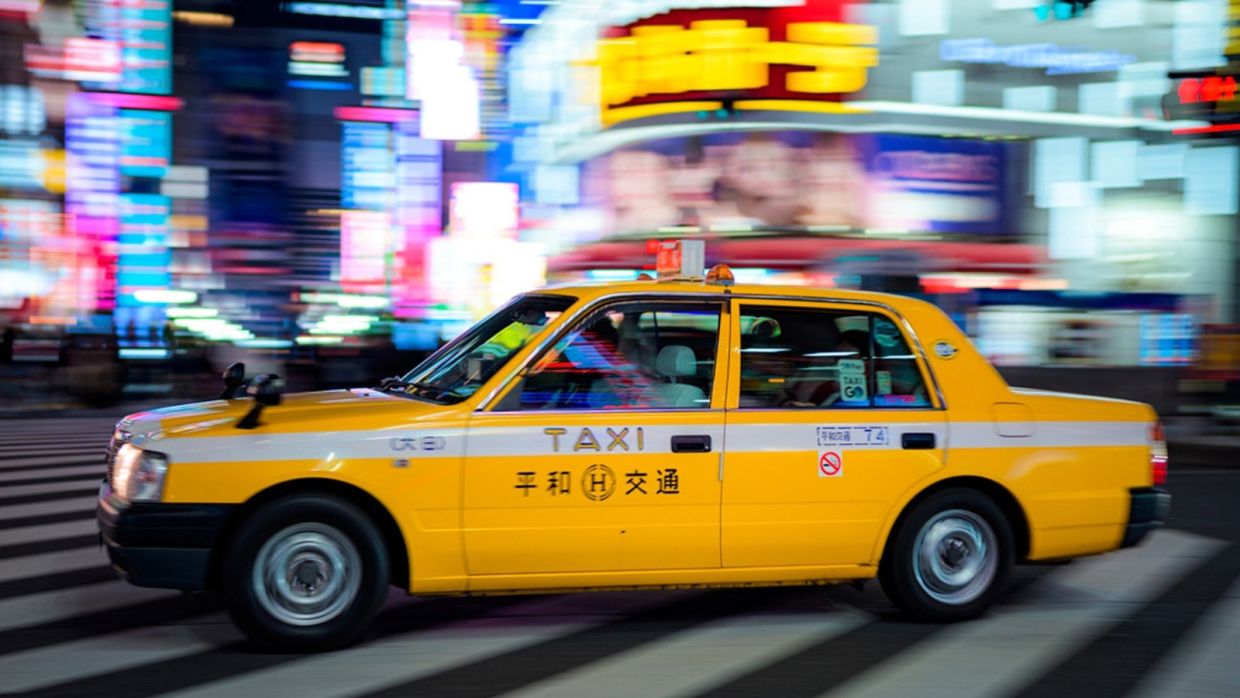
Japanese authorities have detained a 41-year-old Chinese national, Wang Xiaoyu, on suspicion of orchestrating an unlicensed taxi operation that exploited regulatory gaps in Tokyo's transportation sector. Police allege that Wang operated a scheme whereby he leased vehicles registered to Phoenix Kokusai, a company he effectively controlled, to individuals who were not employed by the firm. These drivers then provided informal taxi services to Chinese tourists and other passengers between February and April of this year. The operation represents a growing challenge for Japanese law enforcement as they grapple with transportation fraud amid rising international visitor numbers.
The investigation centres on Wang's alleged violation of the Road Transportation Act, Japan's primary legislation governing commercial vehicle operations. According to Tokyo Metropolitan Police, Wang received approximately 38 million yen in fees from approximately eighteen drivers during the period from November 2024 through May 2026, compensation paid in exchange for allowing these individuals to operate vehicles under the company's name. The arrangement created a profitable but illicit network that circumvented Japan's strict licensing requirements for commercial transportation services. Wang has disputed some aspects of the allegations, though the evidence of financial transactions appears substantial.
At the heart of this case lies a regulatory mechanism introduced in 2014 known as the "urban hire" vehicle classification. This category was designed to allow commercial transportation of passengers through advance reservation systems requiring minimum charter periods of two hours, distinguishing such services from traditional taxi operations. The system was intended to provide flexibility within Japan's tightly controlled transportation market. However, the classification has proven vulnerable to exploitation, with operators finding ways to circumvent these protections and effectively operate unregulated taxi services.
Japan's system for identifying commercial vehicles relies on colour-coded licence plates, with legitimate commercial operators displaying green plates. However, police have long recognised that this visual designation provides inadequate protection against fraud. Officers acknowledge that distinguishing between lawful and unlawful operations merely by examining a vehicle's appearance remains extraordinarily difficult. This enforcement weakness has created opportunities for operators like Wang to insert themselves into the regulatory framework, converting legitimate vehicle classifications into covers for illegal transportation services.
The discovery of Wang's operation resulted from complaints lodged by licensed taxi operators who reported suspicious activity at Tokyo's Haneda Airport, one of Asia's busiest transportation hubs. These drivers observed vehicles displaying the green commercial plates aggressively soliciting passengers at the airport's arrival terminals—behaviour inconsistent with legitimate urban hire services that require advance booking. This pattern of illegal passenger recruitment at the airport triggered an investigation that ultimately revealed the broader operation.
Beyond Wang's detention, police have also arrested three additional individuals, all identified as Chinese nationals, who allegedly served as drivers within the illegal network. These individuals face parallel charges of violating the Road Transportation Act. The involvement of multiple Chinese citizens suggests the operation may have leveraged community networks to identify both drivers willing to participate and passengers likely to utilise unlicensed services, potentially exploiting language barriers and unfamiliarity with Japanese regulations among international visitors.
The expansion of urban hire services reflects Japan's transformation as an international tourism destination. Government statistics reveal the sector has grown substantially, with registered urban hire vehicles increasing from 3,868 in the fiscal year 2013 to 8,850 by fiscal year 2024. This more than doubling of the vehicle fleet tracks directly with Japan's dramatic increase in inbound tourism, particularly from Asian nations including China. While the legitimate urban hire industry responds to genuine market demand, the category's rapid expansion has also created organisational complexity that operators like Wang have strategically exploited.
The Wang case exposes fundamental tensions within Japan's approach to transportation regulation. Policymakers sought to liberalise the sector through the urban hire classification to accommodate growing tourism while maintaining core safety and consumer protections. Yet the implementation created regulatory boundaries that lack clear enforcement mechanisms and remain susceptible to systematic circumvention. Vehicles bearing green plates operate in a grey zone where visual inspection cannot definitively establish compliance, and the requirement for advance reservations can be easily subverted through informal arrangements.
For Malaysian travellers and businesses, the case offers several cautionary insights. Japan's tourist market, increasingly dominated by visitors from Southeast and East Asia, has become a target for operators seeking to extract value from visitors' unfamiliarity with local regulations. The involvement of multiple Chinese nationals suggests such schemes may leverage ethnic or linguistic networks. Malaysian tourists should exercise caution when accepting unsolicited transportation offers at major airports and terminals, ensuring any services are genuinely licensed and booked through verifiable channels.
The implications extend beyond individual criminal cases to broader questions about labour exploitation and regulatory enforcement in Japan's transportation sector. The drivers arrested alongside Wang may themselves be victims of an exploitative arrangement, operating vehicles under false pretences without genuine employment protections. Their participation suggests the operation functioned partly through misrepresentation of the services' legitimacy, potentially deceiving those who facilitated the actual transportation.
Tokyo's experience reflects challenges facing other major Asian cities as tourism surges and informal economy operators seek to capture revenue from international visitors. The case demonstrates how entrepreneurs can weaponise regulatory categories designed for legitimate purposes, converting them into covers for unlicensed operations. Japanese authorities continue investigating whether additional drivers or operations remain active, suggesting Wang's arrested operation may represent merely the visible portion of a broader problem.

