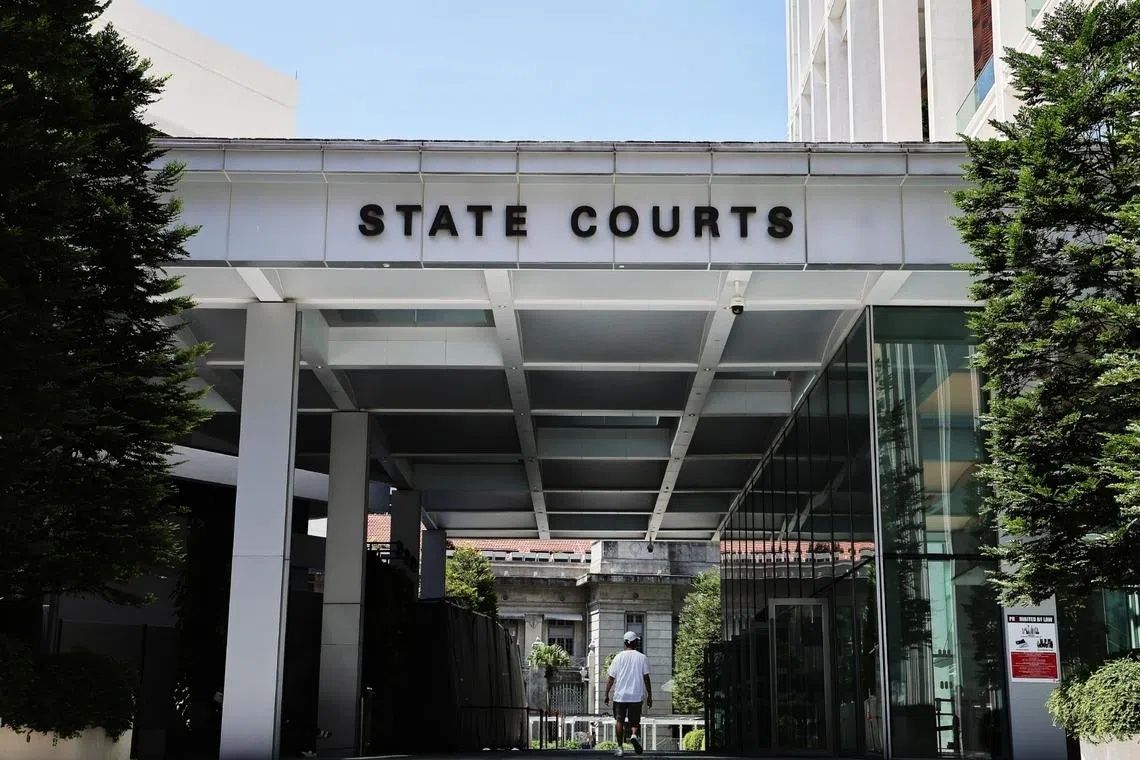
A 41-year-old Chinese national has admitted to systematically targeting Singapore's wealthiest residential areas, stealing over S$105,000 in jewellery and luxury goods during his inaugural visit to the island republic. Huang Xiaozong's calculated crime spree unfolded over just three days in early December, beginning merely 24 hours after he touched down at Singapore's Changi Airport, demonstrating how quickly opportunity and intent can crystallise into criminal action.
Huang's modus operandi reveals a deliberate planning phase conducted before his arrival. Having identified Singapore as a destination offering both relative wealth and opportunity, he conducted advance research to pinpoint the most affluent neighbourhoods where residents were likely to be absent and possess valuable personal items. This reconnaissance mentality—gathering intelligence on potential targets from abroad—distinguishes his case from opportunistic theft, suggesting premeditation rooted in economic motivation rather than spontaneous criminality.
Upon landing on December 5, the visitor established himself in a Little India hotel as his base of operations. The choice of accommodation in a bustling but less affluent part of Singapore suggests tactical awareness; operating from a nondescript location while targeting distant upmarket enclaves would minimise his visibility and connection to the crime scenes. Within 24 hours of settling in, Huang ventured to Sentosa, where he identified a luxury hotel suite belonging to an occasional resident who happened to be abroad at the time.
The Sentosa burglary demonstrated troubling sophistication in its execution. Rather than forcing entry through obvious points, Huang gained access via the rear balcony door, a method suggesting either prior knowledge of security vulnerabilities or quick assessment of structural weaknesses. Once inside, he systematically targeted high-value items, departing with a Chanel watch worth S$30,000, five rings valued at S$25,000, and a gold necklace worth S$3,000. The theft went undiscovered for two days, allowing him sufficient time to fence goods or plan subsequent offences before detection.
Two days later, on December 7, Huang relocated his criminal activities to Serangoon Gardens, a private enclave known for its sprawling mansions and affluent demographic. Operating between 7pm and 8pm—the window when residents are frequently absent but before lights typically illuminate homes—he scaled a gate and gained entry to a residence that appeared unoccupied. Inside this dwelling, he accumulated jewellery worth over S$47,000, including rings, gold necklaces, a diamond necklace, diamond earrings, and a pair of wedding rings, representing a significantly more valuable haul than his first offence.
What distinguished the second burglary from the first was the presence of human intervention. While Huang attempted a third break-in at an adjacent Serangoon Gardens property that same evening, a domestic helper spotted him and challenged his presence. Rather than escalate the encounter into confrontation, he opted for tactical retreat, exiting the premises and hurrying back to his hotel with his accumulated plunder. This decision to flee rather than risk apprehension or violence suggests a criminal operator preferring avoidance to escalation.
The investigation that followed combined routine detective work with hotel security cooperation. The home owner whose property Huang attempted to enter reported the suspicious presence to police on the evening of December 7. Officers traced the suspect back to his Little India accommodation through hotel records and surveillance footage, leading to his arrest on December 8—a remarkably swift apprehension given the complexity of tracking a transient foreign national across multiple crime scenes.
Huang's guilty plea on Friday to two counts of housebreaking avoids a lengthy trial while acknowledging the irrefutable evidence against him. The combined value of stolen items—S$105,000—represents a substantial loss for the victims, many of whom likely possessed insurance that may only partially recover their sentimental and financial losses. Particularly damaging are items like wedding rings, which carry irreplaceable emotional significance beyond their monetary worth.
For Singapore and the broader Southeast Asian region, this case exemplifies how criminal networks may view wealthy destinations as targets of opportunity, with perpetrators conducting transnational reconnaissance before arriving. The relatively brief timeline from arrival to apprehension suggests law enforcement capabilities that, while effective in this instance, also highlight the vulnerability of high-value residential properties to determined criminals who possess even basic planning abilities. The case raises important questions about security preparedness in affluent enclaves, the role of domestic staff in crime detection, and the necessity of comprehensive home security systems beyond traditional locks.
Huang's sentencing on August 14 will determine whether his first visit to Singapore concludes with custodial punishment, likely involving deportation upon release. His actions serve as a cautionary reminder to Singapore's wealthy residents—and by extension, affluent households across Southeast Asia—that criminals increasingly conduct sophisticated reconnaissance and target selection, making home security vigilance an essential prerequisite regardless of neighbourhood status or perceived safety.

