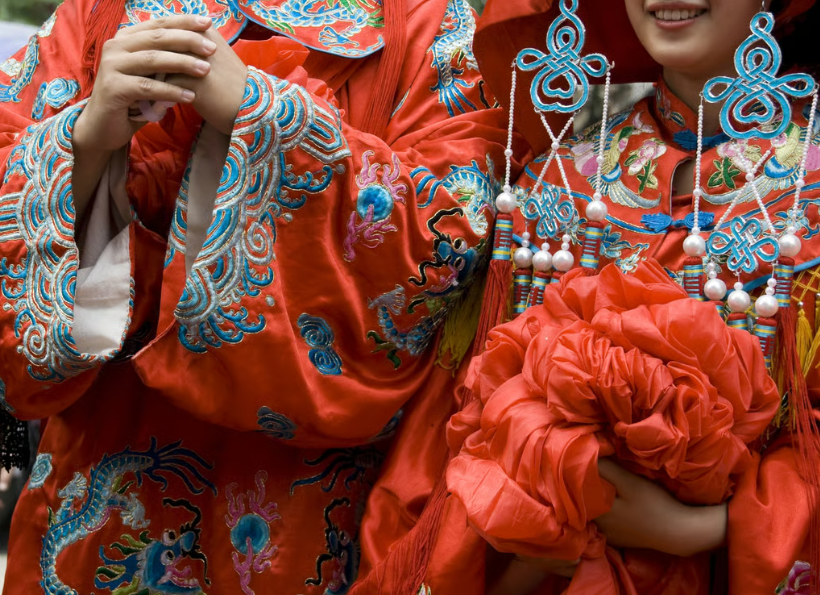
A court in Ruyang county, Henan province, has determined that a bride, groom, and nine other individuals must collectively pay 230,000 yuan (approximately US$34,000) to compensate a bridesmaid who sustained a serious spinal injury during wedding celebrations. The verdict, released publicly in early July to educate the community about the dangers of excessive wedding revelry, underscores a troubling pattern of traditional rituals spiralling into physical harm across China.
The incident occurred on October 4, 2023, when bridesmaid Zhang attended the nuptials of her friend Li and the groom. During celebrations, Zhang found herself in a wedding room with approximately ten men, mostly groomsmen, in what should have been a lighthearted occasion. The situation deteriorated rapidly when groomsman Wang Moubing, acting without justification, forcibly removed Zhang from a cabinet where she had concealed herself and propelled her onto the bed. What followed exemplified how traditional customs can devolve into dangerous behaviour when left unchecked by oversight or moral restraint.
Wang then orchestrated a hazing activity wherein the assembled men held the corners of a bedsheet and tossed Zhang into the air repeatedly. During the second throw, the group's coordination failed catastrophically, and Zhang plummeted to the floor. Despite a warning from the groom's aunt, who observed the escalating roughness and urged restraint, the men continued their actions without heeding her advice. Only one participant, a man surnamed Hu, refrained from participating and subsequently assisted Zhang downstairs as medical assistance was summoned.
The consequences proved severe. Zhang was diagnosed with a lumbar vertebral fracture requiring eighteen days of hospital treatment. By August 2024, a forensic medical assessment determined her disability level as ninth grade—considered serious under China's judicial classification system—establishing permanent impairment that would affect her quality of life indefinitely. Facing substantial medical expenses and ongoing complications, Zhang pursued legal recourse, suing the newlywed couple and all nine individuals involved in the hazing, initially seeking 270,000 yuan (US$40,000) in compensation.
The court's decision apportioned responsibility across multiple parties based on their degrees of culpability and organisational roles. The bride and groom, as primary wedding organisers, bore forty percent of the liability, ordered to pay 90,000 yuan. The court reasoned that they had knowledge wedding hazing would occur yet failed to implement preventive measures when the activity commenced. Wang Moubing, who initiated both the physical coercion and the dangerous bedsheet game, was assigned the highest individual burden at approximately 50,000 yuan. The remaining eight participants collectively faced 90,000 yuan in liability, as they could not substantiate their non-involvement through evidence, placing the burden of proof on them to demonstrate innocence.
Hun nao, the term for traditional wedding hazing in Chinese, possesses legitimate historical roots dating back millennia. Originally conceived as a mechanism to generate convivial atmospheres and spiritually cleanse spaces by expelling malevolent forces, the practice held cultural significance within many Chinese communities. However, contemporary iterations increasingly diverge from these benign intentions, transforming into platforms for humiliation, degradation, and violence targeting bridesmaids and grooms alike. The Ruyang court's public release of its verdict reflects government concern about mounting injuries and deaths, attempting to galvanise social awareness and legal accountability.
The Zhang case is neither isolated nor exceptional within China's legal landscape. In 2018, a bridegroom in Guizhou province suffered multiple traumatic injuries after being struck by a vehicle whilst fleeing wedding hazing activities on an expressway, narrowly escaping fatal consequences. More recently, another Guizhou groom fractured his leg attempting escape from similar revelry, successfully pursuing litigation that resulted in a 50,000 yuan compensation award. These recurring incidents demonstrate systemic problems wherein wedding participants systematically underestimate injury risks or deliberately disregard them, gambling with participants' safety for entertainment value.
For Malaysian readers and Southeast Asian observers, this Chinese legal precedent carries significance beyond curiosity about foreign customs. Wedding hazing and boisterous celebration rituals exist across multiple cultures within the region, including variants in Malaysia, Singapore, and other nations. The Ruyang court's decision establishes important legal principles regarding organiser liability and collective responsibility, suggesting that Malaysian courts might similarly hold hosts and participants accountable for preventable injuries occurring during festivities. The judgment demonstrates that traditional cultural practices do not shield participants from legal consequences when those practices result in demonstrable harm.
The broader implications warrant consideration within professional and social circles throughout Asia. Venues hosting weddings, event organisers, insurance providers, and couples themselves must contemplate their legal exposure should celebrations escalate into injury. The court's verdict suggests that passive knowledge of dangerous activities combined with failure to intervene constitutes actionable negligence. For those planning celebrations, the message is unambiguous: awareness without preventive action provides no legal defence. The groom and bride could not claim ignorance regarding the potential for hazing; their failure to establish ground rules or monitor activities proved dispositive in establishing their liability.
The cultural tension between preserving tradition and preventing harm represents the underlying challenge. Many wedding participants view hazing as harmless fun within established customs, viewing legal intervention as excessive modernisation or cultural disrespect. The Ruyang verdict, however, reframes this debate by emphasising that tradition carries legal and moral boundaries. The court implicitly rejected arguments that cultural practice justifies injury, establishing that fun cannot override fundamental safety obligations. This represents an evolution in how Chinese courts balance cultural continuity with individual protection.
Looking forward, the Ruyang decision may catalyse behavioural changes across Chinese society as couples and wedding organisers internalise their potential liability. The publicity surrounding the case serves educational functions, illustrating concrete financial and reputational consequences. Insurance companies may begin factoring hazing-related incidents into coverage policies, creating additional incentives for restraint. For Southeast Asian societies observing these developments, the precedent offers cautionary lessons about the necessity of establishing clear boundaries around celebration rituals, regardless of their cultural longevity or social acceptability.
Ultimately, the 34,000-dollar payment represents far more than financial compensation for medical expenses. It constitutes judicial recognition that participants in weddings bear affirmative duties toward one another's safety, that celebration traditions must adapt to accommodate individual welfare, and that legal systems will intervene when cultural practices inflict serious harm. As societies across Asia grapple with balancing cultural preservation and modernisation, the Ruyang court's decision provides a framework suggesting that these objectives need not prove mutually exclusive—traditions can endure whilst incorporating safety-conscious constraints that prevent permanent injury.

