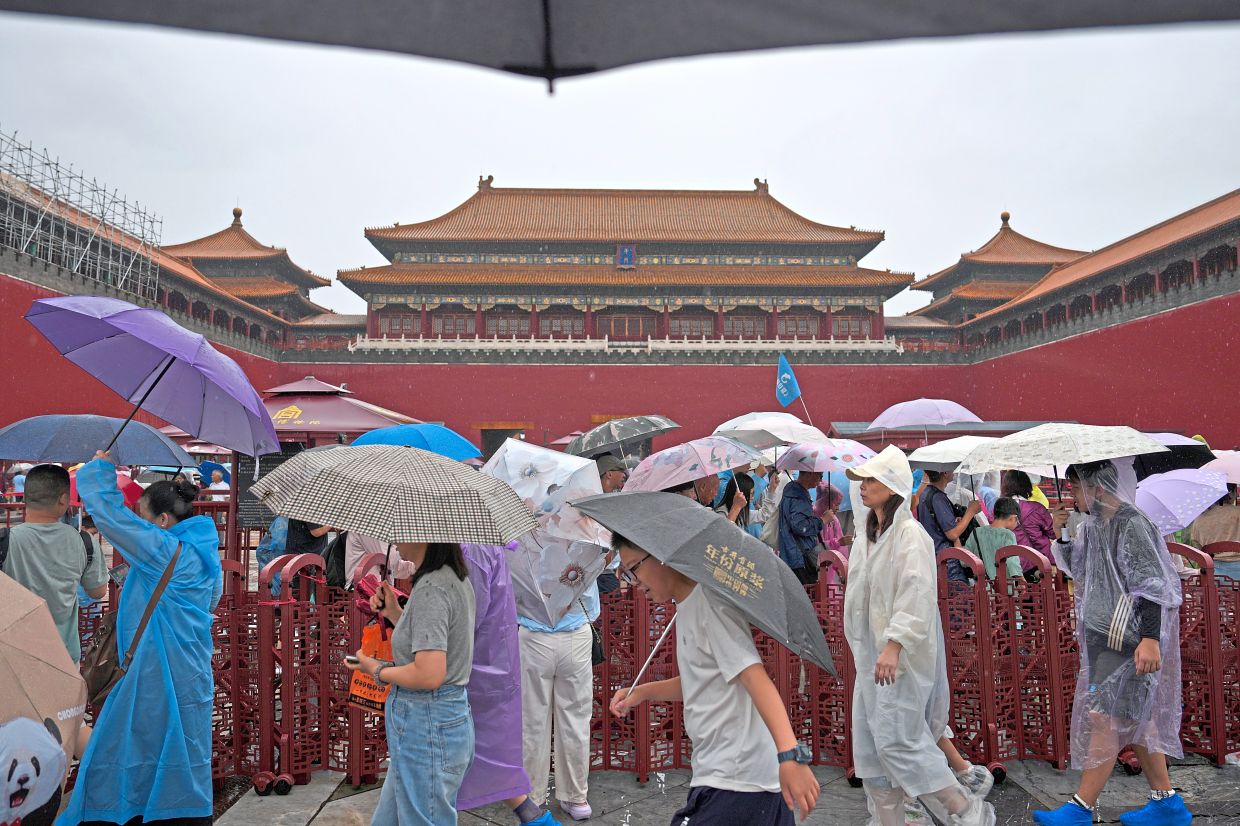
China's tourism recovery has accelerated into a full-scale boom, with the country now ranking alongside Asia's most established destinations after welcoming 35 million foreign tourists in 2025—a milestone that finally surpassed pre-pandemic visitor numbers and spending for the first time. The achievement marks a dramatic turnaround from the sluggish restart following the lifting of COVID-19 restrictions, signalling that China's coordinated push to rebuild its international appeal is yielding tangible results that extend far beyond simple statistics.
The transformation began in earnest when Beijing launched its ambitious visa-free travel programme for 50 countries in 2023, though initial momentum proved disappointingly slow as lingering pandemic anxieties and skeletal flight schedules deterred potential visitors. The turning point arrived with an intensified government-backed promotion campaign that strategically deployed resources across social media platforms normally blocked within China, including Western outlets such as X and TikTok. This unconventional outreach, coupled with viral trends like "Chinamaxxin"—where international audiences adopt Chinese habits ranging from consuming hot water to skincare routines—created unexpected cultural momentum that traditional tourism marketing could never achieve. The strategy proved particularly effective among younger demographics, with content creators and influencers becoming unofficial ambassadors for Chinese destinations.
Visa-free entry has emerged as the decisive factor in the recovery's acceleration, accounting for more than 70 per cent of all international arrivals in 2025, a dramatic jump of 50 per cent compared to the previous year. This policy shift has particularly benefited Southeast Asian nations, with Malaysian, Thai and South Korean tourists leading the inbound surge alongside Russian visitors. Data from the first half of 2026 already demonstrates the programme's momentum, with 18 million visa-free travellers arriving during that period alone and driving overall foreign arrivals up by a fifth—a pace that suggests China could sustain its position among Asia's top tourism destinations. Notably, Beijing has witnessed surging numbers of Vietnamese visitors, though Japanese arrivals have declined following diplomatic tensions between the two countries.
The recovery has prompted Chinese local governments to allocate unprecedented resources toward tourism development and promotion. Beijing provided CNY2.64 million (RM1.26 million) specifically for tourism offices to manage increased visitor flows and expand digital marketing initiatives, while Shanghai committed at least CNY1.6 million toward promotional campaigns on major international booking platforms including Expedia and Booking.com. These expenditures, rare in local government budgeting, underscore the strategic importance policymakers now attach to tourism revenue. Additionally, authorities have invested in capacity-building, rewarding travel agencies that recruit foreign-language tour guides—a practical investment in visitor experience that directly addresses one of the sector's traditional pain points.
The shift toward experiential tourism represents a fundamental evolution in how international visitors engage with China. Rather than gravitating toward conventional attractions like the terracotta warriors, tourists increasingly seek authentic local experiences—from exploring cutting-edge technology at Huawei and DJI facilities to navigating theme-park style retail environments at Pop Mart stores and enjoying casual meals at Haidilao hot-pot restaurants. Chongqing's tourism officials have particularly embraced this model, actively recruiting influencers and international celebrities like basketball star Stephen Curry to boost the city's social media presence and reshape its image beyond traditional stereotypes. This democratisation of the tourist experience has paradoxically made China more appealing to younger, digitally-savvy travellers who seek authentic cultural engagement rather than bucket-list monuments.
Retail and consumer-facing sectors have reaped extraordinary benefits from the tourism influx, with luxury and discretionary spending proving particularly robust. Miniso's flagship Shanghai store has recorded foreign visitors accounting for up to 70 per cent of foot traffic during peak periods, drawn by exclusive collaborations featuring characters from Chiikawa, Sanrio, Harry Potter and Disney franchises. The company's overseas business has expanded dramatically, with international sales now exceeding domestic revenue and growing at 20 per cent annually. Similarly, Joy Group's viral beauty brands—particularly Judydoll and Joocyee—have generated over CNY600 million (RM363.88 million) in overseas retail sales, with Judydoll achieving more than tenfold growth in Southeast Asian markets including Vietnam and Japan over two years. These numbers reveal how tourism-driven commerce extends far beyond accommodation and dining into cultural consumption.
Geopolitical disruptions have unexpectedly accelerated China's tourism recovery trajectory. The escalating conflict in West Asia has inflated airfares through traditional Gulf transit routes while simultaneously rendering China's vast flight network an attractive alternative for international passengers seeking cheaper routing and lower ticket prices. State-owned carriers China Eastern, Air China and China Southern have all reported surging passenger volumes since the Iran conflict's onset, capturing transit traffic that previously bypassed China entirely. Chinese airlines' pricing advantage—considerably lower than international carriers that have not yet fully restored pre-pandemic route capacity—has created an additional draw for cost-conscious travellers. This geopolitical dividend, while fortuitous rather than engineered, has contributed meaningfully to the current tourism surge.
Despite impressive recovery metrics, China's tourism sector continues lagging significantly behind mature competitors in revenue generation and visitor spending intensity. The country captured approximately 35 million international arrivals in 2025 but generated substantially less per-visitor revenue than established tourism powerhouses—less than one-third of American inbound tourism receipts and approximately 40 per cent of per-capita spending, at roughly US$2,240 (RM9,163) per visitor. International tourism represented less than 0.5 per cent of China's national GDP in 2025, a fraction of mature tourism economies such as Spain and Thailand where the sector contributes approximately 8 per cent to GDP. These disparities suggest considerable runway for revenue expansion as visitor comfort and spending capacity increase.
Navigational and infrastructure barriers threaten to constrain future growth unless systematically addressed. China's predominantly cashless urban payment ecosystem, dominated by Alipay and WeChat Pay, creates genuine hardship for international tourists lacking local bank accounts, digital wallets or Chinese phone numbers. The absence of critical global applications including Google Maps, Instagram and WhatsApp—accessible only through illegal VPNs—compounds tourist frustration and undermines the quality of visitor experience. Emerging solutions like Kora, an artificial intelligence-powered tourist guide platform, have begun addressing these friction points by streamlining ride-hailing services, restaurant reservations and providing multilingual chatbot support to tens of thousands of visitors since its launch. However, systemic solutions requiring government cooperation remain absent, potentially limiting the ceiling on future tourism growth and visitor satisfaction.
International visitor testimonies provide revealing insights into the tourism experience's appeal and remaining gaps. Claire Thum, a 28-year-old Singaporean drawn to China through Instagram reels showcasing Shanghai's lifestyle, luxury retail and specialized experiences, plans expanding her exploration toward remote regions including Yunnan, Xinjiang and Harbin—the exact geographical diversification that local governments hope to achieve. Similarly, Virgile Kebaili, a 23-year-old French history student, spent over two weeks exploring Chengdu, Chongqing, Xi'an and Beijing while securing notably cheaper consumer goods than European equivalents. Both visitors encountered unusually low concentrations of international tourists during portions of their journeys, suggesting China remains under-penetrated despite recent surge figures and that significant headroom exists for continued growth.
China's tourism renaissance has fundamentally recalibrated regional travel patterns and competitive dynamics across Southeast Asia. With arrivals approaching 35 million—exceeding Thailand's figures and approaching Malaysia and Japan—China has suddenly emerged as a destination commanding comparable tourist infrastructure investment and international attention. This repositioning carries implications for competing Southeast Asian destinations, which may face intensified competition for younger, digitally-native travellers drawn by viral content and influencer endorsements. The geopolitical dimension cannot be overlooked; improved soft power through tourism and international cultural engagement directly serves Beijing's strategic interests in projecting a modern, appealing China distinct from prior authoritarian stereotypes. If infrastructure challenges can be adequately resolved and spending patterns normalise, China's tourism sector could sustainably contribute meaningfully to economic growth while fundamentally reshaping regional travel hierarchies for the foreseeable future.

