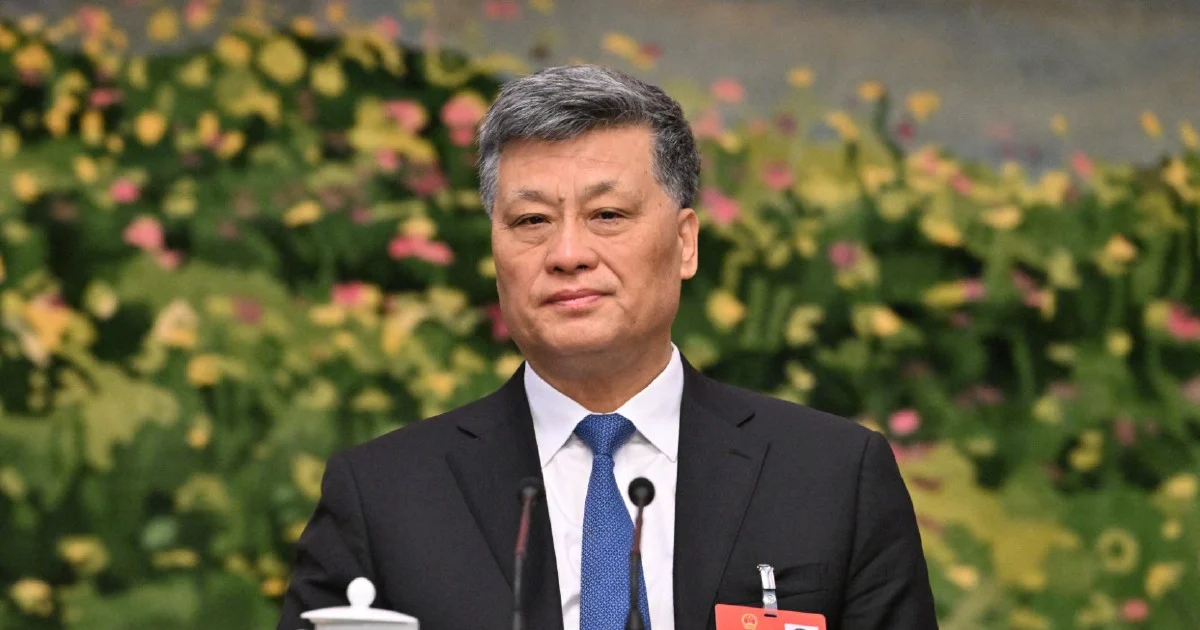
Beijing's leadership has taken action against a former top administrator from Xinjiang, expelling him from the ruling Communist Party and stripping away all official positions in response to multiple corruption offences. The decision, announced through state media channels on Tuesday, marks another instance of China's leadership pursuing anti-corruption measures against officials in the western region, where Beijing has faced intense scrutiny over its governance and administrative practices.
The dismissed official faced a catalogue of serious misconduct allegations that extended well beyond simple administrative irregularities. Among the charges levelled against him were nepotism—the abuse of authority to favour family members—as well as accepting bribes in exchange for preferential treatment or policy decisions. Additional allegations encompassed improper sexual conduct financed through official resources or personal networks, indicating a broader pattern of ethical violations and misuse of public position.
China's Communist Party has placed renewed emphasis on disciplinary action against officials in recent years, particularly following a major anti-corruption campaign that reshaped political hierarchies across the country. The targeting of Xinjiang officials aligns with Beijing's broader governance strategy, though the region has become a focal point for international scrutiny due to various concerns raised by foreign governments and human rights organizations regarding administrative oversight and treatment of populations.
Expulsion from the Communist Party represents one of the most severe institutional penalties the system can impose on an official, effectively ending their political career and access to state resources and networks. The removal from all posts ensures the individual no longer holds any formal authority in government structures, whether at regional, provincial, or national levels. This comprehensive approach sends signals throughout the bureaucracy about the consequences of corruption.
The timing and handling of such expulsions often reflect broader priorities within Beijing's leadership circles. By publicizing the case through official media channels, authorities underscore their commitment to institutional discipline and anti-corruption efforts, which serve multiple purposes including restoring public confidence in governance, demonstrating order within party ranks, and presenting an image of accountability to international observers.
Xinjiang's administrative apparatus has faced particular attention from Beijing's oversight mechanisms over the past several years. The region, home to diverse ethnic groups and situated along China's western frontier, holds strategic importance for trade routes and resource management. Ensuring effective governance and preventing corruption among officials responsible for such consequential territory remains a priority for central authorities who must balance efficiency with political reliability.
The specific allegations of nepotism reveal a pattern that persists despite decades of anti-corruption initiatives in China's governmental system. Family connections and patronage networks have historically been entrenched within Chinese bureaucracies, and rooting out such practices remains an ongoing challenge for leadership attempting to establish merit-based promotion and resource allocation. When such cases become public, they demonstrate both the problem's persistence and authorities' willingness to address it at senior levels.
Bribery charges indicate that the official allegedly extracted payments or favours from individuals or entities seeking government decisions in their favour. Such conduct undermines the impartiality of state institutions and diverts resources from legitimate purposes. For Malaysia and other Southeast Asian nations watching China's internal governance, cases like this illustrate the scale of anti-corruption efforts required in large bureaucracies and the political costs officials face when detected.
The allegations regarding improper sexual conduct add another dimension to the corruption charges, suggesting a pattern of personal conduct that violated institutional standards and potentially involved coercive or exploitative circumstances. Chinese authorities have increasingly incorporated such violations into corruption charges, recognizing that abuse of power extends beyond financial matters to encompass personal misconduct enabled by official position.
For regional observers, including Malaysian policymakers and business communities engaged with China, such expulsions provide insights into Beijing's institutional discipline mechanisms and the consequences facing officials who breach party standards. Understanding these enforcement patterns helps explain decision-making processes and leadership changes within Chinese government structures that affect bilateral relations and regional engagement.
The case also reflects broader questions about institutional accountability in large centralized systems. While expulsion demonstrates consequences for detected corruption, it simultaneously raises questions about how many similar cases remain undetected or are handled through quieter channels without public announcement. The selective publicization of major cases suggests both genuine commitment to discipline and strategic communication regarding party strength and internal order.
China's leadership continues positioning anti-corruption efforts as a hallmark of contemporary governance, distinguishing its approach from previous eras perceived as permissive toward official misconduct. Whether such high-profile actions achieve meaningful deterrence or primarily serve symbolic purposes remains debated among analysts monitoring China's institutional evolution. For regional stakeholders, tracking such developments offers windows into Beijing's priorities and the pressures facing its bureaucratic systems.

