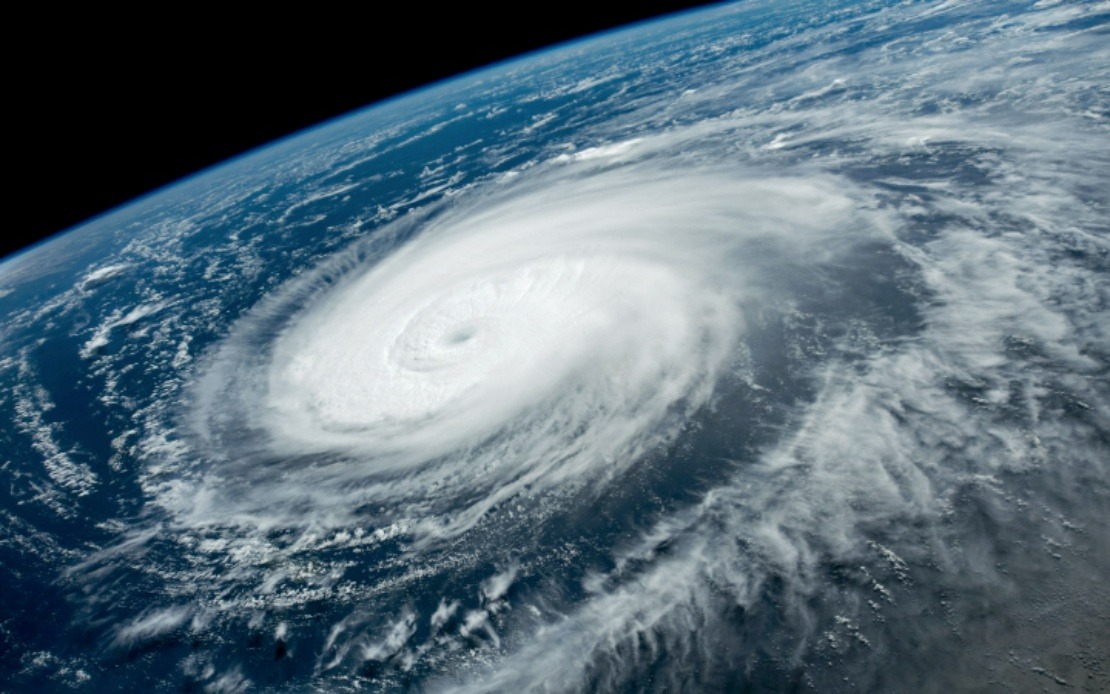
China's meteorological authority has substantially strengthened its defensive posture against Typhoon Dolphin, which threatens to deliver a severe blow to the nation's densely populated eastern seaboard. On Saturday, officials upgraded the typhoon warning classification from yellow to orange on the four-tier colour-coded alert system, simultaneously raising the emergency response to Level III—the second-highest tier in China's crisis management hierarchy. The escalation reflects mounting concern that the storm will bring destructive conditions more intense than recent comparable systems to have made Chinese landfall.
The typhoon is projected to cross the coastline between Zhoushan in Zhejiang Province and Fuding in Fujian Province during the transition from Sunday evening into Monday morning, placing two economically vital and heavily urbanised regions directly in the storm's trajectory. This timing and location pose particular challenges for authorities, as both provinces rely heavily on maritime commerce, offshore industries, and extensive coastal infrastructure. The anticipated window of impact has already prompted widespread precautionary measures well before the system arrives, signalling the scale of preparation underway across the region.
Zhejiang Province, one of China's most developed coastal jurisdictions, moved decisively ahead of the storm's arrival by activating the second-highest tier of its provincial typhoon emergency response system. The province has deployed more than 4,000 specialised monitors tasked with inspecting over 7,500 geographical areas deemed vulnerable to secondary disasters, particularly landslides and other terrain-related hazards that often prove as destructive as the typhoon itself in mountainous or geologically unstable zones. This preventive approach underscores how authorities now treat typhoon management as a multi-dimensional challenge extending beyond the initial wind and rainfall impacts.
The scope of economic disruption already underway in Zhejiang demonstrates the thoroughness of the province's response framework. All 162 passenger ferry routes operating within provincial waters had been shuttered by the time authorities issued their upgraded alert, effectively halting ferry-dependent transportation networks that normally serve millions of journeys annually. Simultaneously, work has been suspended at all 193 offshore construction projects, while 474 construction vessels have been brought to sheltered anchorages. These figures illustrate the sheer magnitude of maritime activity ordinarily sustained along China's coast and the corresponding economic cost of defensive measures.
Fujian Province, the second major jurisdiction threatened by Dolphin's predicted path, has implemented comparable precautions reflecting the seriousness officials attribute to the incoming system. By Saturday noon, the province had shuttered 40 passenger ferry routes and halted operations at 115 offshore construction installations. More strikingly, authorities verified that all 1,210 registered fishing vessels operating from the coastal city of Fuding had successfully returned to port, a critical achievement that prioritises the safety of mariners who would otherwise face extreme peril if caught at sea during the typhoon's passage. The coordination required to achieve this vessel recall within tight timeframes underscores the efficiency of China's maritime safety protocols.
Shanghai, situated north of the predicted landfall zone but well within the typhoon's influence radius, has adopted a precautionary stance by issuing a blue-level weather alert on Friday. The city's meteorological services have cautioned that residents should prepare for potentially four days of sustained heavy rain and powerful wind gusts. In response, rail operators serving the economically critical Yangtze River Delta metropolitan region have announced provisional suspensions of certain train services beginning Sunday, reflecting concern that storm conditions will render safe rail operations untenable. Shanghai's preparations illustrate how typhoon impacts propagate across regions considerably distant from the immediate landfall area.
China's meteorological establishment has provided comparative analysis suggesting Typhoon Dolphin may surpass recent storms in destructive potential. Xu Yinglong, chief forecaster at the National Meteorological Centre, specifically noted that Dolphin could generate stronger wind velocities and more abundant rainfall than Typhoon Bavi, which made Chinese landfall in July. Such comparative assessments carry significant implications, as they inform decision-making at provincial and municipal levels regarding evacuation thresholds, resource pre-positioning, and infrastructure protection measures. The comparison suggests authorities should anticipate a more challenging scenario than was experienced during the previous month's typhoon event.
Understanding China's alert architecture provides essential context for evaluating the seriousness of the current response. The nation employs a four-tiered colour-coded warning system for typhoons in which red denotes maximum danger, followed in descending severity by orange, yellow, and blue classifications. The emergency response hierarchy operates independently, with Level I representing the highest mobilisation tier, followed by Levels II, III, and IV. Saturday's simultaneous upgrade to orange warning status and Level III emergency response indicates authorities believe Dolphin warrants high-level national coordination and substantial resource commitment, though the most severe designations have not yet been activated.
The scale and sophistication of China's typhoon response infrastructure reflects decades of refinement following catastrophic storms that claimed substantial casualties. The deployment of thousands of geological monitors, the coordinate shutdown of hundreds of ferry routes and construction sites, and the pre-emptive recall of fishing fleets represent an integrated approach to disaster risk reduction that prioritises life safety while recognising economic costs as secondary considerations. For regional observers in Southeast Asia, including Malaysia, China's response mechanisms offer instructive examples of how large-scale systems coordinate multi-provincial disaster preparedness. The methodical escalation from yellow to orange alert status and the specific mention of anticipated rainfall intensity and wind speed provide communities in neighbouring countries with early indicators of potential secondary impacts that might extend into regional maritime zones and weather patterns.

