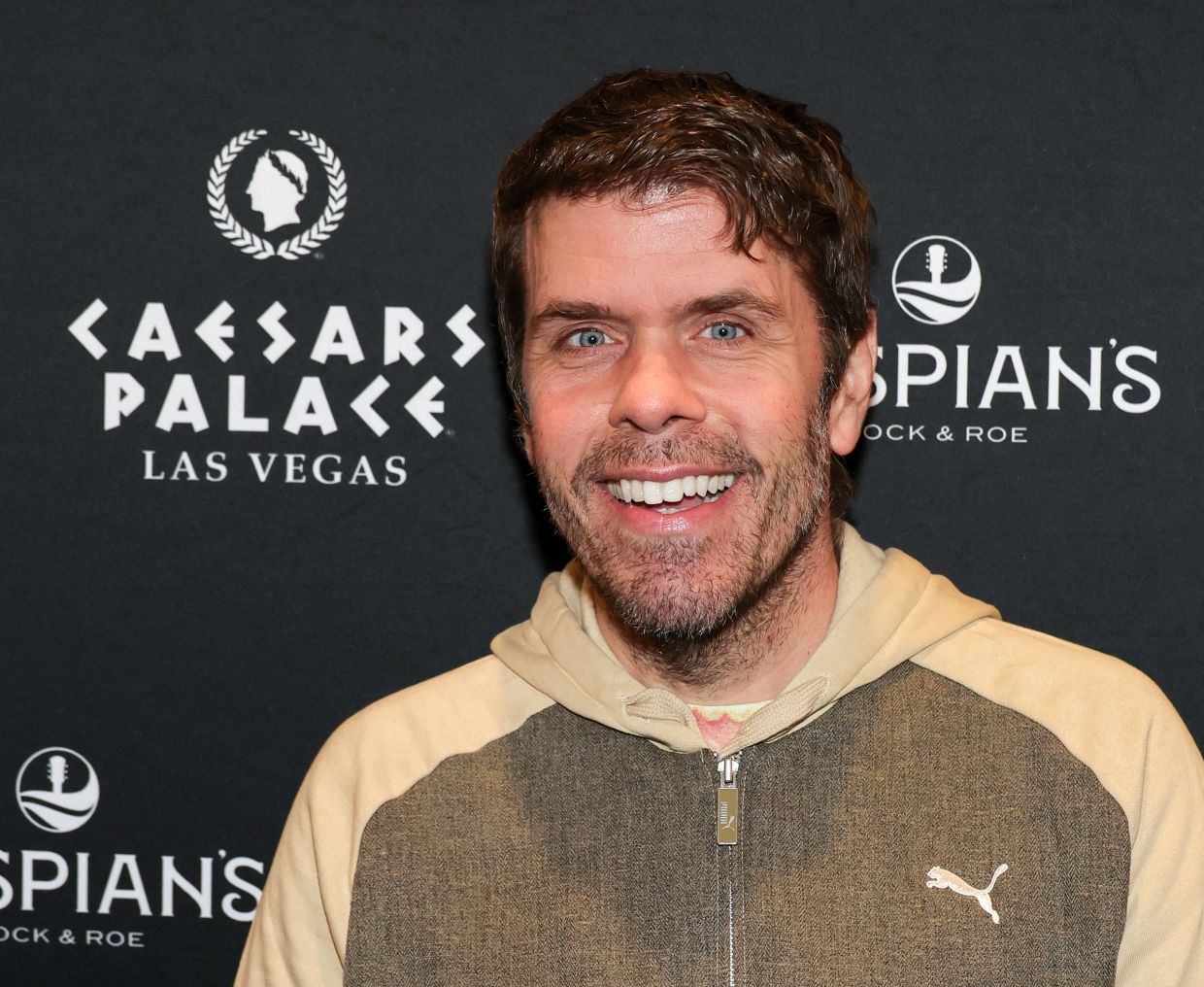
The family of Miami-based celebrity blogger Perez Hilton has made an emotional public appeal for media restraint, revealing that his three children were present in the home when a severe mental health emergency unfolded earlier this week. In a statement released Thursday through Hilton's website, relatives described the preceding days as "nearly unbearable" and expressed their primary concern: allowing the young family members to begin healing and rebuild their sense of security in a protected environment away from public scrutiny.
The incident that prompted the family's request came to light Tuesday evening when disturbing video footage was livestreamed on TikTok depicting a bloodied Hilton engaged in self-harm using sharp implements including a box cutter and knife. The alarming broadcast prompted rapid intervention from both concerned viewers and content moderators on the platform, who contacted Miami authorities over their fears for his safety. Police and emergency services descended on his Miami residence as the crisis unfolded in real time, with hundreds of people monitoring developments through the social media platform.
The family's statement confirmed that Hilton's children, along with his niece and sister, had evacuated the residence once it became apparent he was experiencing acute mental distress and self-injuring behaviour. Their immediate departure was intended to shield the young people from witnessing further psychological deterioration. This detail underscores the vulnerability of children in households where mental health emergencies occur and highlights the ripple effects such crises create beyond the individual experiencing them.
By approximately 9 p.m. Tuesday, the Miami-Dade Sheriff's Office confirmed that Hilton had been safely recovered from the residence and transported by Miami-Dade Fire Rescue to a local hospital for medical evaluation and treatment. While specific details about his condition and the nature of his care have remained limited, the family indicated in their Thursday statement that Hilton "is able to communicate," which they described as a source of hope during their "heartbreaking" ordeal. The ability to maintain communication with loved ones during psychiatric crises is often viewed by medical professionals as a positive prognostic indicator.
The family's plea for privacy carries particular weight in today's attention economy, where celebrities' moments of vulnerability frequently become fodder for content creation and social media engagement. They explicitly requested that members of the media, paparazzi, independent content creators, and the general public refrain from gathering near the family home and maintain distance from their property. This appeal recognises the documented psychological harm that intensive media scrutiny can inflict on children already traumatised by witnessing a parent's mental health emergency.
Hilton's own public reflections offer additional context for understanding his trajectory. In an interview with conservative political commentator Sean Hannity, recorded in recent weeks and broadcast Thursday, the blogger acknowledged a long struggle with what he characterised as attention addiction. He described his earlier career, which built a massive following through often caustic celebrity commentary, as driven by a compulsive need for public attention regardless of the human cost. "Attention is like a drug," he told Hannity, "and I was definitely an attention addict back then. I mean, I still am, but I think now I do a better job of keeping it in check."
During the interview, Hilton spoke about efforts to make amends for past behaviour that caused documented harm to public figures. He cited successful reconciliation attempts with multiple celebrities, including pop icon Britney Spears and reality television personality Khloe Kardashian, both of whom accepted his apologies. More notably, he revealed that he had privately approached actor Neil Patrick Harris to apologise for aggressively attempting to publicly expose Harris's sexual orientation in 2006, years before Harris voluntarily disclosed his identity. Harris reportedly accepted the apology, suggesting that Hilton's acknowledged wrongdoing and subsequent contrition may have resonated with those he previously targeted.
Hilton's narrative of personal transformation intensified following a separate health crisis. In March, the blogger was hospitalised for severe sepsis, spending three weeks in medical care battling the life-threatening condition. He claimed this experience catalysed profound spiritual awakening and fundamental reassessment of his life priorities and values. Since his recovery from sepsis, Hilton has publicly embraced religious expression, launching a merchandise line oriented toward faith-based consumers and discussing his spiritual journey across multiple podcast interviews.
The juxtaposition of Hilton's public statements about personal change and the acute mental health crisis that prompted this week's family statement raises complex questions about the pace and authenticity of transformation. Public figures operating within high-pressure media environments often experience cycles of crisis, reflection, and attempts at reformation. The ongoing nature of mental health challenges and the role that fame-seeking behaviour may play in exacerbating psychological vulnerability suggest that sustained recovery requires consistent support systems extending well beyond public declarations of change.
For Malaysian and Southeast Asian observers, this incident provides insight into the psychological toll that fame and digital celebrity can exact, particularly when children are integrated into environments defined by public scrutiny and attention-seeking behaviour. The family's explicit request for privacy reflects growing recognition across global societies that mental health emergencies are medical events requiring protected space, not public spectacles. The incident also underscores how rapidly social media platforms can amplify personal crises into widespread public events, with implications for both the individual and their immediate family members.
The situation raises important considerations about responsibility in digital spaces. When individuals broadcast self-harm through social platforms, the question of platform accountability, viewer responsibility, and the appropriate balance between respecting someone's autonomy and intervening to prevent harm becomes acute. Hilton's family's appeal essentially asks society to recognise that recovery from such crises requires the restoration of normal, private life—a request that challenges the contemporary culture of documentation and public consumption of celebrity struggles.

