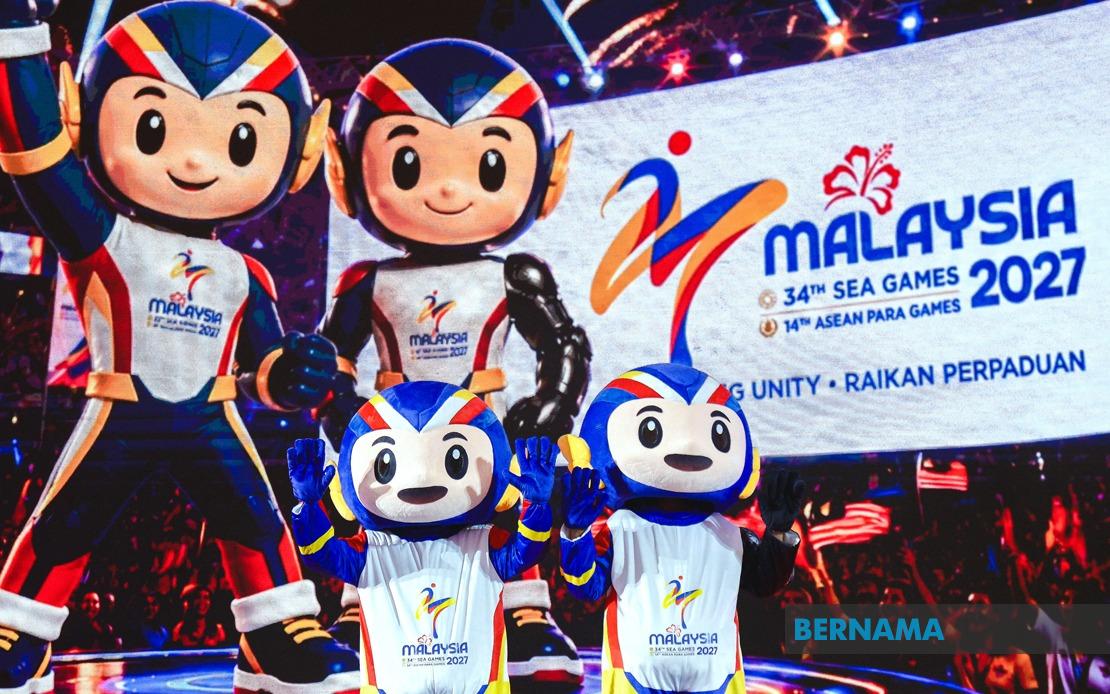
Malaysia has formally launched its vision for hosting the 2027 SEA Games and ASEAN Para Games, selecting 'Celebrating Unity' as the unifying theme that will define the sporting spectacle across four regional clusters. Youth and Sports Minister Dr Mohammed Taufiq Johari unveiled the official logo, mascot and theme during a ceremony in Putrajaya on July 13, emphasising how these symbolic elements capture the essence of regional cooperation and athletic excellence that the Southeast Asian Games represents.
The chosen theme carries deeper significance beyond mere sloganeering. According to Dr Mohammed Taufiq, 'Celebrating Unity' encapsulates a transformative vision—one that cements the region's commitment to collective progress through sport while simultaneously inspiring athletes to transcend personal boundaries and achieve peak performance. This messaging reflects Malaysia's broader strategic positioning as a nation capable of bringing disparate communities and nations together under a common sporting platform, reinforcing ASEAN's foundational principles of regional solidarity and mutual respect.
The mascot TUAH marks a deliberate departure from the animal-based characters that have characterised previous SEA Games iterations. Rather than drawing from Southeast Asian fauna, the design team opted for a distinctly humanoid figure—a contemporary hero archetype that resonates with modern audiences whilst projecting approachability and dynamic energy. This decision to ground the mascot in human form rather than zoological inspiration signals a shift in how Malaysia conceptualises its role as host, prioritising relatable human values over traditional symbolic animals.
Visual identity carries tremendous weight in major sporting events, and TUAH's incorporation of Malaysia's national flag colours—the Jalur Gemilang—establishes an explicit visual connection between the Games and national pride. For Malaysian athletes competing on home soil, this patriotic symbolism becomes a tangible reminder of the nation watching them perform. Similarly, for regional counterparts, it communicates Malaysia's investment in creating an inclusive, nationally-rooted yet regionally-minded celebration that honours both individual nations and collective Southeast Asian identity.
Dr Mohammed Taufiq expressed confidence that TUAH would function as a protective talisman as Malaysia pursues the overall championship medal count. This aspiration extends beyond mere sporting achievement; it represents the nation's desire to validate its investment in hosting infrastructure, technical preparation, and athlete development programmes. Emerging as overall champions would underscore Malaysia's competitive depth across multiple sports and demonstrate the efficacy of its strategic planning in the lead-up to September 2027.
The hosting arrangements themselves span significant geographical expanse across Malaysia's most developed regional centres. Four clusters—Sarawak, Penang, Johor and Kuala Lumpur—will distribute venue responsibilities, requiring coordinated logistics and infrastructure standardisation across disparate locations. Dr Mohammed Taufiq confirmed that facility development has proceeded without notable complications, though he acknowledged the focus now shifts toward technical refinements and adherence to project timelines. This sprawling multi-cluster model presents both advantages and challenges; while it distributes costs and maximises existing sporting infrastructure, it complicates athlete accreditation, spectator movement, and security coordination.
Malaysia's National Sports Council has established an ambitious internal benchmark: ensuring that 70 per cent of national athletes finish on podiums at Asian-level competitions by year-end. According to NSC director-general Jefri Ngadirin, this target functions as a diagnostic tool to assess whether Malaysia possesses the depth and quality to genuinely contend for overall championship honours in 2027. This performance threshold acknowledges that hosting advantage alone cannot guarantee medals; the nation's athletes must demonstrate genuine competitiveness across disciplines against stronger regional rivals, particularly Thailand, Vietnam and Indonesia.
The competition calendar itself spans a condensed timeframe that demands meticulous orchestration. The main SEA Games will occur from September 18 to 29, 2027, immediately followed by the ASEAN Para Games from October 17 to 23. This back-to-back scheduling maximises venue utilisation and media attention but intensifies pressure on operations teams to execute rapid transitions between paralympic and able-bodied competition phases. The para games component carries particular significance as Southeast Asia increasingly recognises disability sports as integral to comprehensive sporting culture, not supplementary programming.
The significance of this hosting opportunity extends beyond Malaysia's borders. For ASEAN, the 2027 Games represent a crucial moment to showcase the region's sporting maturation and organisational capability during a period of heightened global scrutiny of Southeast Asian stability and development. Malaysia's successful execution would reinforce the region's credentials as a reliable host for major international events, potentially influencing decisions regarding future continental competitions and international sporting investments.
Looking forward, the 'Celebrating Unity' messaging proves strategically astute given regional geopolitical currents. Southeast Asia faces persistent tensions regarding maritime disputes, economic competition and political differences, yet the SEA Games tradition provides a sanctioned arena where nationalist sentiments find expression through athletic rather than military or diplomatic channels. By anchoring the 2027 Games in explicit unity language, Malaysia signals its intention to harness sport's convening power—allowing regional pride to coexist with cooperative spirit and mutual respect.
The mascot's success will ultimately depend on achieving genuine cultural resonance across Southeast Asia's diverse populations. TUAH must transcend its Malaysian origins to become a symbol that athletes and spectators from Brunei to Thailand, Cambodia to Vietnam recognise as authentically regional rather than merely national. The humanoid design provides flexibility for this adaptation; unlike animal mascots locked into specific characteristics, TUAH can embody different virtues across contexts—courage, resilience, grace—depending on how host nation communicators frame its narrative through the remaining years before competition.
As Malaysia advances preparations across its four clusters, the 'Celebrating Unity' theme and TUAH mascot serve as philosophical anchors grounding the enormous logistical undertaking ahead. They remind stakeholders that hosting these games transcends infrastructure completion and schedule adherence; it demands creating an emotional experience that knits together athletes, spectators and nations in common celebration of human achievement, regional solidarity and the transformative power of sport.

