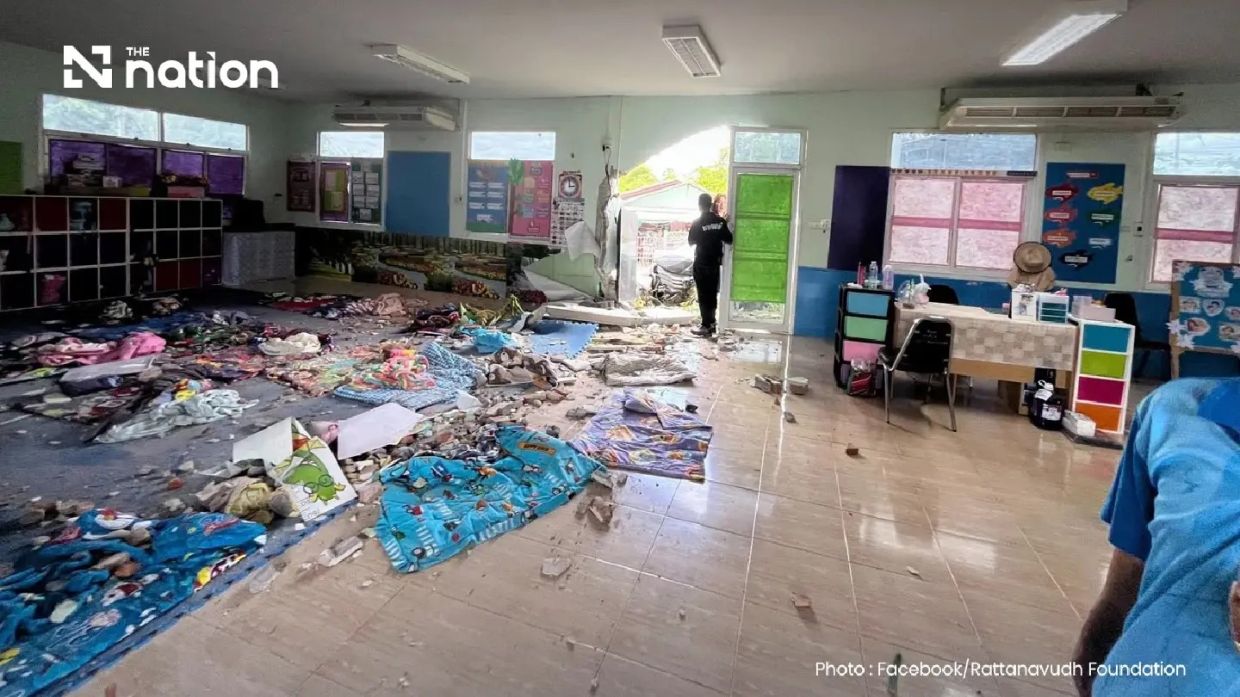
A vehicle lost control and crashed into a child development facility in Kanchanaburi on Friday, August 7, 2026, creating a dangerous and chaotic situation that left 15 children requiring medical care. The incident at Ban Nong Song Ton Child Development Centre in Mueang Kanchanaburi district unfolded during afternoon rest time, when the young students were most vulnerable. The collision caused significant structural damage and scattered debris throughout the classroom, resulting in injuries ranging from head wounds to trauma from falling materials and rubble.
The scale of potential harm was considerable, given that 34 children were present at the facility when the accident occurred. Staff and emergency responders reacted swiftly to contain the situation and identify those requiring immediate medical intervention. Among the 34 students on site that day, 19 remained uninjured and relatively unaffected by the traumatic event, while 15 required transport to a medical facility for professional assessment and treatment. The specific circumstances that caused the vehicle to veer out of control remained under investigation at the time of reporting.
Emergency response was mobilised rapidly following alerts from the Rattanavudh Foundation, which coordinates childcare safety initiatives across the region. Personnel from both the Rattanavudh Foundation and the Phithak Kan Foundation arrived at the scene to administer first aid and manage the immediate crisis. These organisations worked in coordination with local rescue services to stabilise the injured children and prepare them for transfer to hospital. The rapid coordination between multiple responder agencies demonstrates the importance of established emergency protocols in childcare settings, particularly in regions where traffic-related incidents pose ongoing risks to vulnerable populations.
All 15 injured children were transported to Phaholpolpayuhasaena Hospital, where medical staff conducted thorough examinations to assess the extent of injuries and treat any physical trauma. Hospital reports subsequently confirmed that despite the severity of the impact and the potential for catastrophic outcomes, all children were ultimately in stable condition and deemed safe following initial medical evaluation. This outcome provided some reassurance to families and the community, though the psychological impact of such a frightening event on young children cannot be overlooked.
The nature of the injuries reflected the mechanics of the collision and the indoor environment where it occurred. Head wounds predominated among the cases, consistent with children falling or being struck by debris as the vehicle impacted the structure. Many children also experienced shock and emotional distress from the sudden violence of the event. The afternoon nap timing proved both fortunate and unfortunate—while fewer children may have been in the immediate strike zone than during busier periods of the day, those resting in the classroom were unable to react or move to safety before impact.
Emergency vehicle access through Mueang Kanchanaburi district required cooperation from residents and other road users, who were requested to clear pathways for rapid transport to hospital. This coordination reflects standard disaster response procedures that prioritise minimising delays in medical care. The incident highlights how traffic management becomes critical during emergencies involving vulnerable populations in residential or institutional settings.
The incident raises broader questions about childcare facility safety in Thailand, particularly regarding vehicle barriers, structural reinforcement, and emergency protocols. While the Ban Nong Song Ton centre had established procedures for managing emergencies, the ability of a vehicle to enter the building and strike a classroom suggests potential gaps in physical security measures. Many childcare facilities in the region, particularly older establishments, may lack dedicated protective infrastructure designed to prevent vehicular intrusions. This incident may prompt facility managers and local authorities to reassess protective measures at similar institutions.
For Malaysian readers, the incident serves as a comparative reminder of childcare safety standards and infrastructure across Southeast Asia. While Malaysia's more developed urban childcare facilities typically incorporate modern safety features, rural and developing facilities may face similar vulnerabilities. The incident demonstrates how quickly routine activities can turn dangerous and underscores the importance of comprehensive risk assessment in institutional settings serving children. Thai authorities may now examine whether additional regulations or guidelines are needed for childcare centre design and operations.
The psychological dimension of such incidents extends beyond immediate physical injuries. Young children exposed to sudden, violent accidents often experience lasting emotional consequences, including anxiety and behavioural changes. Mental health support for affected children, their families, and even facility staff forms an important but sometimes overlooked component of disaster response. The 19 uninjured children present during the incident also require careful monitoring, as indirect trauma from witnessing accidents can affect child development and well-being.
The Ban Nong Song Ton Child Development Centre will likely face operational disruptions as investigations continue and structural repairs are completed. Parents will need reassurance regarding safety measures, and the facility may require insurance claims processing and licensing reviews. The broader community in Mueang Kanchanaburi district received a stark reminder that traffic safety extends beyond roads themselves—vehicular hazards can penetrate institutional spaces where children are under professional care, requiring multi-layered protective approaches.

