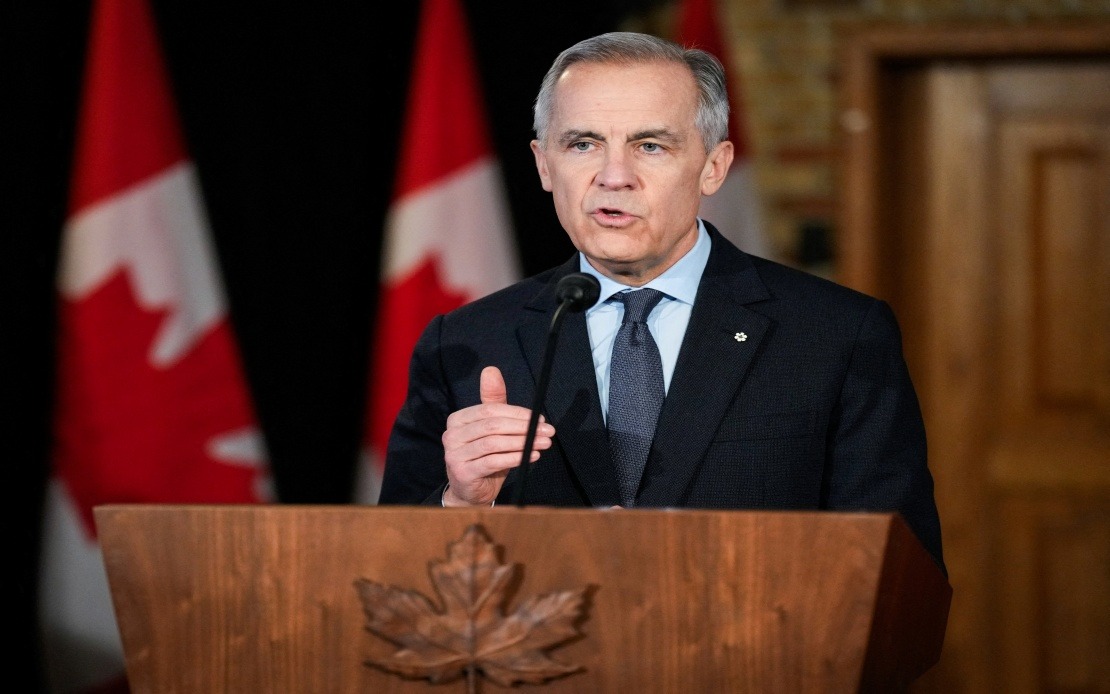
Canada's government has pulled the plug on trade negotiations with the United States, marking a dramatic escalation in tensions between the two largest trading partners in North America. Prime Minister Mark Carney announced the suspension late Friday evening, delivering a forceful statement that underscored Ottawa's frustration with what he characterised as shifting goalposts and unreliable negotiating partners in Washington. The decision came after intensive overnight talks that had raised hopes for a resolution just days earlier, when US President Donald Trump indicated a breakthrough was within reach.
Carney's announcement revealed the core grievance driving Canada's withdrawal from the negotiating table. Throughout the trade discussions, Canadian negotiators had prioritised securing what Carney described as a world-class agreement that would maximise market access in the United States whilst providing stability for Canadian enterprises and their workforce. The prime minister stressed that his team had made measurable strides toward strengthening Canada's competitive position, yet acknowledged this progress fell substantially short of what the government deemed necessary to serve the interests of ordinary Canadians. This candid assessment suggested deep dissatisfaction not merely with the pace of negotiations but with the fundamental direction they had taken.
The immediate catalyst for Canada's withdrawal centred on late changes to American proposals that Carney deemed fundamentally unjust and economically damaging. Rather than framing these revisions as minor adjustments or clarifications, the prime minister characterised them as substantive departures that questioned the trustworthiness of whatever agreement might ultimately emerge from such an unstable negotiating process. This language carries particular weight in international trade diplomacy, where predictability and honourable commitment form the bedrock of long-term economic relationships. Carney's suggestion that the US had reneged on understandings reached earlier in discussions signals a breakdown not just in talks but in negotiating good faith itself.
The tariff threat hanging over both nations provided the immediate pressure driving the final negotiating push and ultimate breakdown. Washington had signalled its intention to impose a 50 per cent duty on roughly CAN$28 billion worth of Canadian merchandise, a threshold that would take effect at midnight following the Friday negotiating deadline. This represents a catastrophic level of trade friction that would ripple through supply chains connecting manufacturers, retailers, and consumers on both sides of the border. The tariff magnitude underscores how high the stakes have risen and explains why both sides had initially indicated they were drawing near to compromise, despite fundamental disagreements over market access and other contentious provisions.
Canada's response to American tariffs will employ symmetry as its core strategic principle. Carney announced that Ottawa would impose matching duties on equivalent value of US goods, translating the threat of CAN$28 billion in American tariffs into reciprocal Canadian levies of identical scale. This tit-for-tat approach represents a deliberate choice to inflict proportional economic pain rather than absorb the American tariff blow unilaterally. The prime minister explicitly framed the retaliatory tariffs as necessary instruments to protect Canadian workers and businesses from the consequences of American protectionism. This defensive posture, whilst economically costly, allows Canada to maintain political credibility by demonstrating resolve rather than capitulation.
The timing of negotiations revealed just how close both nations had come to reaching accord before the arrangement unravelled. Trade talks had resumed Friday morning with both delegations expressing optimism about the possibility of bridging remaining differences before the midnight deadline. Trump had publicly declared on Wednesday that negotiators had achieved a "very fair" agreement, suggesting the US president had signalled approval for substantial compromises to close the deal. Yet this apparent consensus dissolved when American negotiators returned to the table with revised terms, effectively invalidating understandings previously established. Such last-minute repositioning suggests either internal disagreement within the Trump administration about the trade agreement's merits or a deliberate negotiating tactic designed to extract additional concessions.
For Malaysian and Southeast Asian observers, Canada's suspension of trade talks illustrates the fragility of bilateral trade arrangements in an environment of unpredictable negotiating partners. The case demonstrates how geopolitical tensions and shifting political priorities in major economies can destabilise commercial relationships that sustain millions of jobs and billions in annual commerce. Malaysia, as a nation substantially dependent on export markets and integrated into global value chains, faces similar vulnerabilities should major trading partners adopt aggressive protectionist stances or negotiate in bad faith. The Canada-US breakdown serves as a cautionary tale about the risks of allowing trade disputes to escalate without constructive dialogue and genuine commitment to compromise from both parties.
The broader implications extend beyond the immediate tariff confrontation between Ottawa and Washington. Prolonged trade friction between North America's largest economies could reshape investment flows and supply chain strategies for companies operating across the region. Malaysian manufacturers with exposure to North American markets or incorporated into North American supply chains may face disruption or elevated costs if tariffs persist. Additionally, the breakdown in Canada-US negotiations may embolden protectionist voices in other jurisdictions, potentially encouraging similar hard-line approaches that could destabilise regional trade architectures that developing economies like Malaysia have come to depend upon for growth and employment creation.
Carney's decision to withdraw Canadian negotiators and return them to Ottawa represents an acknowledgment that no agreement is preferable to a disadvantageous one that compromises long-term Canadian prosperity. This reflects a principled stance that trade deals must deliver genuine benefits for working people rather than merely reducing trade barriers for corporate interests. The prime minister's emphasis on the reliability and fairness of any agreement signals that Canada views these talks not as a transactional moment but as a test of whether sustained commercial partnership with the United States remains viable under current political leadership. As tariff deadlines loom and retaliatory measures prepare to take effect, both nations face economic consequences that will test political resolve and potentially reshape North American commerce for years ahead.

