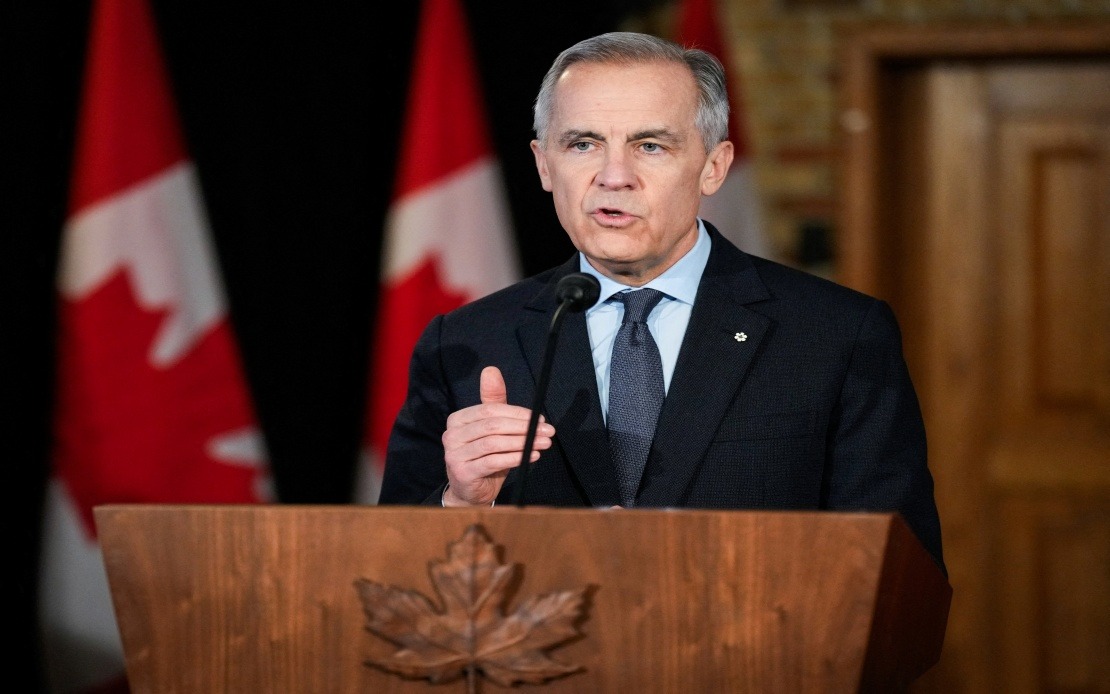
Canada has won a temporary reprieve in its escalating trade dispute with the United States, though the window for securing a lasting settlement has narrowed considerably. Prime Minister Mark Carney revealed that President Donald Trump agreed to suspend the application of punitive 50 per cent tariffs on a broad range of Canadian imports, with the pause set to expire at the end of business on August 21. The announcement, made on August 19, reflects the intensity of negotiations occurring behind closed doors as both nations scramble to avoid the economic damage that would follow full tariff implementation.
The timing of the suspension offers only a sliver of breathing room for negotiators on both sides of the border. With just days remaining before the deadline, Canadian officials face mounting pressure to either secure a comprehensive trade deal or prepare for significant economic disruption. Carney's statement acknowledged that while talks have yielded meaningful advances, substantial work remains to bridge the remaining gaps between Washington and Ottawa. The compressed timeframe underscores how precarious the current arrangement is and how quickly the trade environment could deteriorate if negotiations stall.
Trump's decision to pause the tariffs, announced overnight into Wednesday, represents a tactical concession that signals American willingness to negotiate rather than an outright capitulation. The 50 per cent rate represents an exceptionally severe trade barrier—far exceeding typical tariff levels in modern commerce—and its implementation would reverberate throughout integrated North American supply chains. Canadian exporters across manufacturing, energy, agriculture, and other sectors have been bracing for the impact, though the temporary suspension has provided some relief from immediate panic.
For Malaysia and other Southeast Asian nations, developments in the Canada-US dispute carry important implications. Global trade tensions emanating from North American negotiations often have ripple effects across the region, particularly given the interconnectedness of supply chains and the precedent-setting nature of trade disputes involving major economies. If Canada and the United States reach a resolution, it might suggest that Trump's administration is willing to negotiate on tariffs; conversely, a failure could embolden more aggressive trade measures elsewhere.
Carney's emphasis on Ottawa's continued focus on strengthening economic independence and competitiveness suggests that Canadian policymakers are preparing for multiple possible outcomes. This approach reflects a recognition that relying solely on negotiated settlements with Washington carries inherent risks, particularly given the unpredictability of the current American administration. Canada is simultaneously working to reduce its vulnerability through diversification of trading partners and reinforcement of domestic productive capacity.
The substance of Canadian concerns centres on protecting vital export sectors from devastating tariff exposure. Agriculture, automotive manufacturing, and resource extraction represent particularly vulnerable areas, with many companies operating on relatively thin margins. A sustained 50 per cent tariff would effectively lock these goods out of American markets or force substantial price increases that would undermine Canadian competitiveness. The pause thus buys time not just for senior negotiators but for industry groups to press their cases to government officials in both capitals.
American motivations for pausing the tariffs appear to reflect broader calculations about the economic costs of escalation. While Trump has championed tariffs as tools for reshaping trade relationships, the practical implementation of such severe measures against a close ally creates complications. Canadian retaliation against American goods would harm American exporters and workers, particularly in agricultural states and border regions dependent on cross-border trade. This mutual vulnerability creates space for negotiation, though it hardly guarantees success.
The Canadian government's public messaging emphasizes that negotiators remain engaged and committed to achieving a positive outcome, yet the underlying anxiety is palpable. The August 21 deadline was not chosen arbitrarily; it represents Trump's tolerance threshold for ongoing discussions before he moves forward with enforcement. Understanding this deadline as a hard constraint rather than a flexible target is crucial for assessing the genuine prospects for a deal.
Ottawa's strategy appears to involve demonstrating sufficient progress to justify further extensions, while simultaneously working to address specific American grievances. What these grievances entail remains somewhat opaque in public statements, but trade disputes of this magnitude typically involve questions of market access, tariff schedules, rules of origin, and sectoral protection. Canada must navigate the difficult terrain of making concessions that satisfy American demands while protecting constituencies at home that benefit from existing arrangements.
The broader context of this dispute involves the Trump administration's aggressive approach to reshaping American trade relationships globally. Canada, as America's neighbour and largest trading partner for many American states, has become a test case for how comprehensively the administration will pursue its trade agenda. A successful negotiation might suggest room for dialogue elsewhere; failure would confirm that tariff threats are being deployed as non-negotiable instruments of policy.
For observers in Malaysia and across Southeast Asia, the Canada-US negotiation merits close attention as an indicator of broader trade trends. The willingness or unwillingness of major economies to find negotiated solutions to trade disputes has implications for the entire global trading system. If major partners of the United States cannot achieve agreements, the outlook for smaller trading nations becomes considerably more uncertain. The August 21 deadline thus represents not merely a bilateral Canadian concern but a potential inflection point in global trade dynamics.

