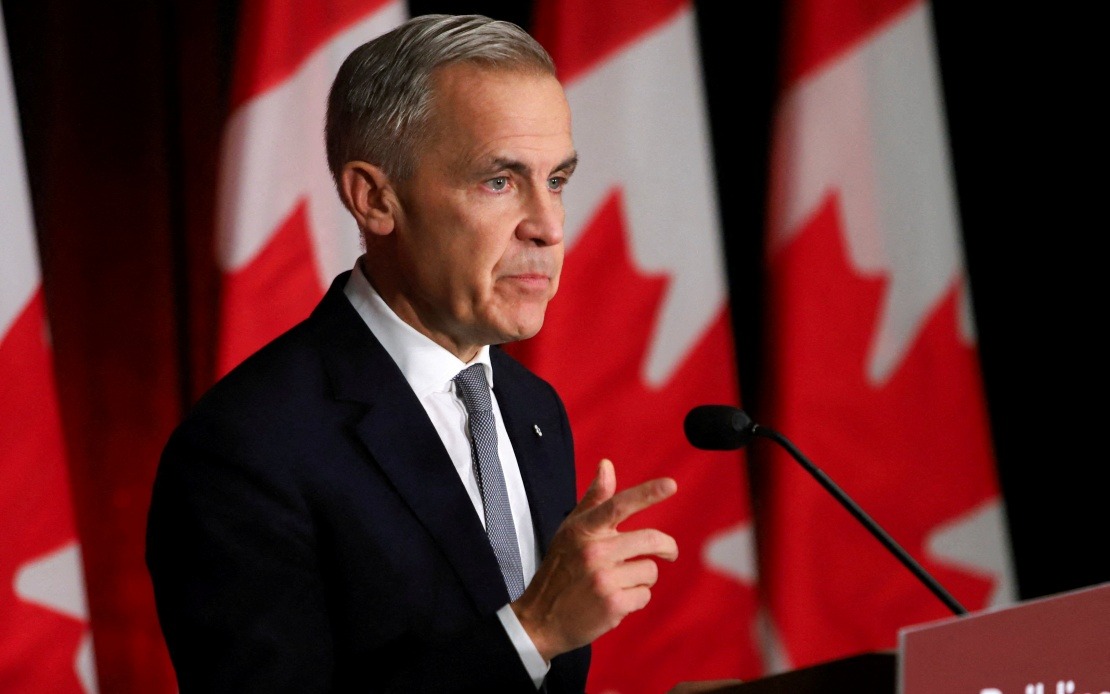
Canadian Prime Minister Mark Carney has signalled a diplomatic push to resolve mounting trade tensions with the United States, confirming that both nations intend to intensify negotiating efforts in the weeks ahead. Speaking on Tuesday, Carney revealed that he had communicated directly with US President Donald Trump that morning, establishing a shared commitment to accelerated discussions aimed at finding common ground on the escalating tariff conflict between the two neighbouring economies.
The timing of these negotiations comes against a backdrop of heightened protectionist measures from Washington. On Monday, Trump signed three executive proclamations that would impose an additional 50 per cent tariff on a carefully selected range of Canadian exports. The administration justified the move by asserting that Canada has been engaged in discriminatory practices against American commerce, though the specific grievances underpinning this characterisation remain subject to broader geopolitical and trade policy debates between the two countries.
The scope of the proposed tariff regime targets sectors critical to Canada's economy. Effective August 19, the 50 per cent ad valorem duties will apply to dairy products, alcoholic beverages, motor vehicles and related goods—categories representing significant commercial relationships between the two nations. However, the White House has carved out exemptions for energy products, potash, fish and critical minerals, suggesting a strategic calculus about which Canadian sectors face immediate pressure and which retain preferential treatment, possibly reflecting broader North American supply chain considerations.
Canada's official response has been characterised by formal disapproval grounded in existing trade architecture. Carney on Monday condemned the tariff announcements as "the latest in a series of unilateral US trade actions in direct violation of the Canada-United States-Mexico Agreement." This language underscores Ottawa's position that the new measures breach the trilateral trade framework negotiated in recent years, establishing a legal and diplomatic foundation for potential challenges through dispute resolution mechanisms embedded within the agreement.
For Malaysian and Southeast Asian observers, this Canada-US friction carries implications for regional trade dynamics and broader patterns in global commerce. The tariff escalation between two developed economies signals an environment in which protectionist reasoning is gaining institutional momentum. Malaysia, as a trading nation with export-dependent sectors including semiconductors, palm oil and manufacturing, operates within an international system increasingly characterised by bilateral and unilateral trade restrictions. The Canadian dispute demonstrates how even established trading partners with sophisticated legal frameworks remain vulnerable to sudden policy shifts.
The automotive sector represents a particularly significant flashpoint in the Canada-US tariff dispute. Motor vehicles and related components constitute major cross-border trade flows, with integrated supply chains spanning both countries. Any sustained tariff regime targeting this sector could disrupt production networks and increase costs for consumers across North America. For Malaysian automotive suppliers and manufacturers with connections to North American markets, such disruptions warrant close monitoring, as elevated costs in established markets could affect investment and outsourcing decisions.
Carney's commitment to exploring "all options" in terms of potential retaliatory responses signals that Canada is preparing countermeasures should negotiations fail to produce a resolution by the August 19 implementation date. This suggests Ottawa may consider its own tariff responses targeting American goods, a classic tit-for-tat escalation pattern that has characterised recent trade disputes globally. The strategic calculus facing Canadian policymakers involves balancing the desire to demonstrate resolve against economic realities that make mutual escalation costly.
The underlying causes of US-Canada trade friction extend beyond the immediate tariff proclamations. Debates about agricultural subsidies, dairy market access, and broader industrial policy preferences have persisted across multiple administrations. The current escalation, however, appears to reflect a more assertive approach to trade leverage, with the Trump administration explicitly deploying tariffs as negotiating tools rather than final policy endpoints. This negotiating posture creates both opportunities and risks: it suggests flexibility if concessions can be achieved, but also indicates willingness to impose substantial economic costs to secure objectives.
From a Southeast Asian perspective, the Canada-US negotiating dynamic offers a case study in how developed nations navigate trade conflicts within established frameworks. ASEAN economies, many of which maintain trade relationships with both North American and global markets, benefit from understanding how major trading partners respond to tariff escalation. If Canada and the US reach a negotiated settlement relatively quickly, it could provide a template for managing trade disputes through accelerated diplomacy. Conversely, prolonged conflict would underscore the vulnerability of even advanced economies to unilateral trade restrictions.
The exemptions granted to energy, potash, fish and critical minerals suggest that resource-based sectors with significant geopolitical importance retain stronger negotiating positions than manufactured goods. This pattern reflects broader trends in global trade where resource scarcity and supply chain security increasingly influence tariff decisions. Malaysia's critical minerals exports and processing capabilities position the nation within similar strategic calculus at the international level, making the outcome of Canada-US negotiations relevant to understanding how future trade policy may evolve.
Canada's reliance on the negotiating table, rather than immediate retaliation, reflects both the structural interdependence between the two economies and the asymmetry of power in bilateral relationships. Canadian policymakers must balance the pressure to respond firmly to what they characterise as treaty violations against the reality that disrupting trade with the United States carries substantial costs for Canadian consumers and businesses. This constrained space for manoeuvre illustrates challenges faced by smaller trading partners globally.
The intensified negotiations announced by Carney and Trump represent a critical juncture in North American trade relations. Success in these discussions could establish a precedent for managing tariff disputes through diplomatic channels rather than escalation. Failure could trigger a broader trade conflict with ripple effects extending through global supply chains. For Malaysian policymakers and business leaders, the outcome of these Canada-US negotiations merits close attention as an indicator of the trajectory of trade policy in major markets and the resilience of rules-based international commerce.

