A 34-year-old campaign worker was fatally struck by a lorry while putting up election flags on a Negeri Sembilan roadside, prompting police to launch a manhunt for the fleeing driver. The incident occurred on July 20 at approximately 6.40 pm along Jalan Kuala Sawah-Rantau near Kampung Belangkan, as the victim performed campaign duties ahead of the state's 16th electoral contest. The collision, which resulted in severe head and facial trauma, marked a tragic interruption to the election preparations unfolding across the state.
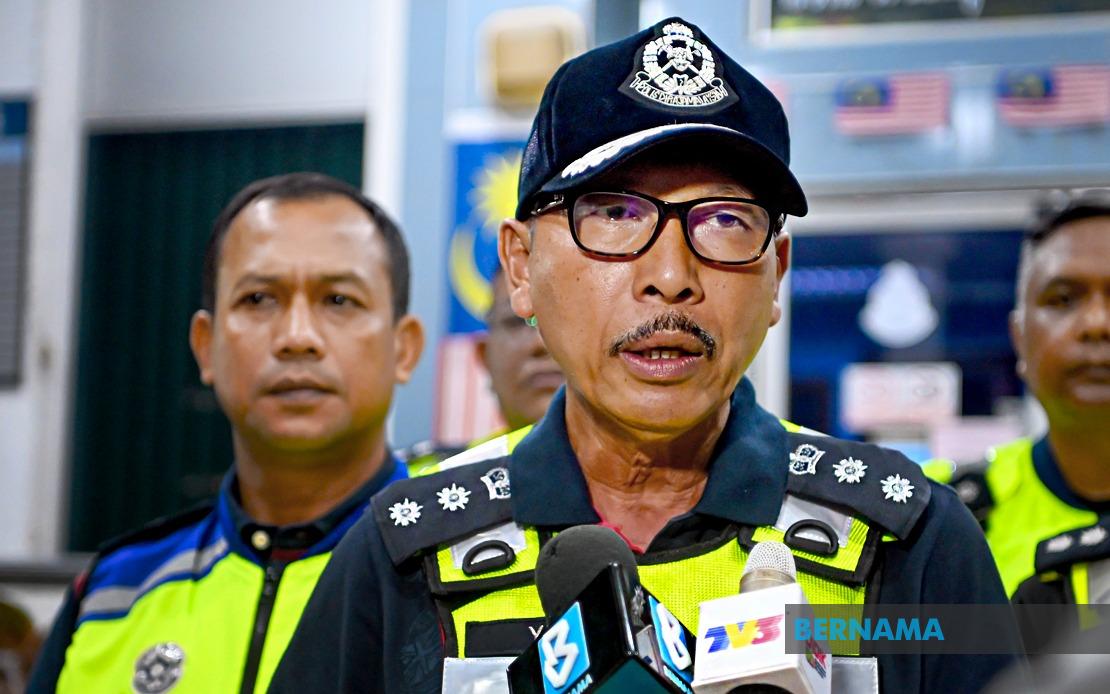
According to Seremban district police chief ACP Mohd Yatim Osman, the victim had positioned himself on the road's shoulder while heading toward Rantau to complete the flag installation work. Preliminary findings indicate that an unidentified lorry struck a signpost before veering toward the victim, who was stationed along the roadside. The violent impact threw the man to the ground, inflicting critical injuries that proved immediately fatal despite proximity to emergency responders. The incident underscores the occupational hazards facing campaign volunteers who conduct roadside work during high-stakes political periods.
The driver abandoned the vehicle and fled the scene without providing assistance or identifying information, leaving investigators with minimal leads. At the time of reporting, authorities had yet to establish the lorry's registration number or develop concrete identifying details about the operator. Police have initiated intensive efforts to locate both the vehicle and driver, with investigators appealing to members of the public who may have witnessed the collision or hold relevant information about the unidentified lorry. The case's gravity—involving a fatality during an active electoral campaign—has elevated it to a priority investigation.
Investigating officer Inspector Nor Fadzilah Mohd Zainuddin has established multiple contact channels for individuals wishing to assist the inquiry. Those with knowledge of the incident may reach the officer directly at 019-4611794, contact the Seremban Police District Headquarters Operations Room at 06-6033222, or present themselves at any local police station to provide statements. The police have emphasized that even seemingly minor details or partial observations may prove critical to identifying the vehicle and driver responsible. Such appeals typically generate valuable community participation, particularly when incidents occur in populated areas or along regularly travelled routes.
The accident highlights recurring safety concerns regarding roadside campaign activities during electoral periods. Election volunteers frequently work in challenging conditions—standing along busy thoroughfares, managing traffic flow, and coordinating with passing vehicles—creating vulnerability to traffic-related incidents. The absence of specialized safety protocols or traffic management at many flag installation sites leaves workers exposed to risks that intensify during peak travel hours or poor visibility conditions. This tragedy may prompt broader discussions about protective measures for campaign personnel undertaking public-facing electoral work.
The incident is being investigated under Section 41(1) of the Road Transport Act 1987, a provision addressing hit-and-run offences where drivers flee accident scenes without reporting or rendering assistance. This statutory framework establishes significant penalties for drivers who abandon accident scenes, reflecting legislative intent to deter such conduct and encourage responsible behaviour. The seriousness with which authorities treat these violations, particularly when fatal injuries result, typically generates robust investigative responses and comprehensive evidence gathering.
Negeri Sembilan's 16th state election campaign has now been marked by this sobering loss, affecting not only the deceased's family and immediate community but also casting shadow over the broader electoral process. Campaign volunteers invest considerable time and energy in grassroots activities that form the backbone of democratic participation, often operating without formal training, protective equipment, or dedicated safety oversight. The transition from routine campaign work to sudden tragedy underscores the unpredictable dangers inherent in public-facing electoral roles, particularly those involving roadside positioning and traffic interaction.
As investigations progress, police continue accumulating forensic and witness evidence that may lead to the vehicle's identification and the driver's apprehension. Traffic cameras positioned along the route, security footage from nearby establishments, and witness accounts from travellers on the road at that hour could provide the breakthrough evidence necessary to solve the case. The public's cooperation remains essential, and authorities are banking on community engagement to transform available information into actionable leads. Such cases frequently pivot on seemingly inconsequential details that witnesses initially hesitate to report or public members consider insignificant.
The incident resonates beyond immediate law enforcement concerns, touching broader questions about worker protection, election administration safety standards, and traffic enforcement effectiveness. Particularly in Southeast Asia, where motorcycle and vehicle-related fatalities remain stubbornly high and hit-and-run incidents frequently go unsolved, this tragedy illustrates systemic vulnerabilities in both workplace safety culture and traffic accountability mechanisms. The case will likely inform subsequent policy discussions regarding campaign worker protection and enhanced traffic management during electoral periods, even as investigators focus intensely on apprehending the responsible driver and delivering justice to the deceased's family.

