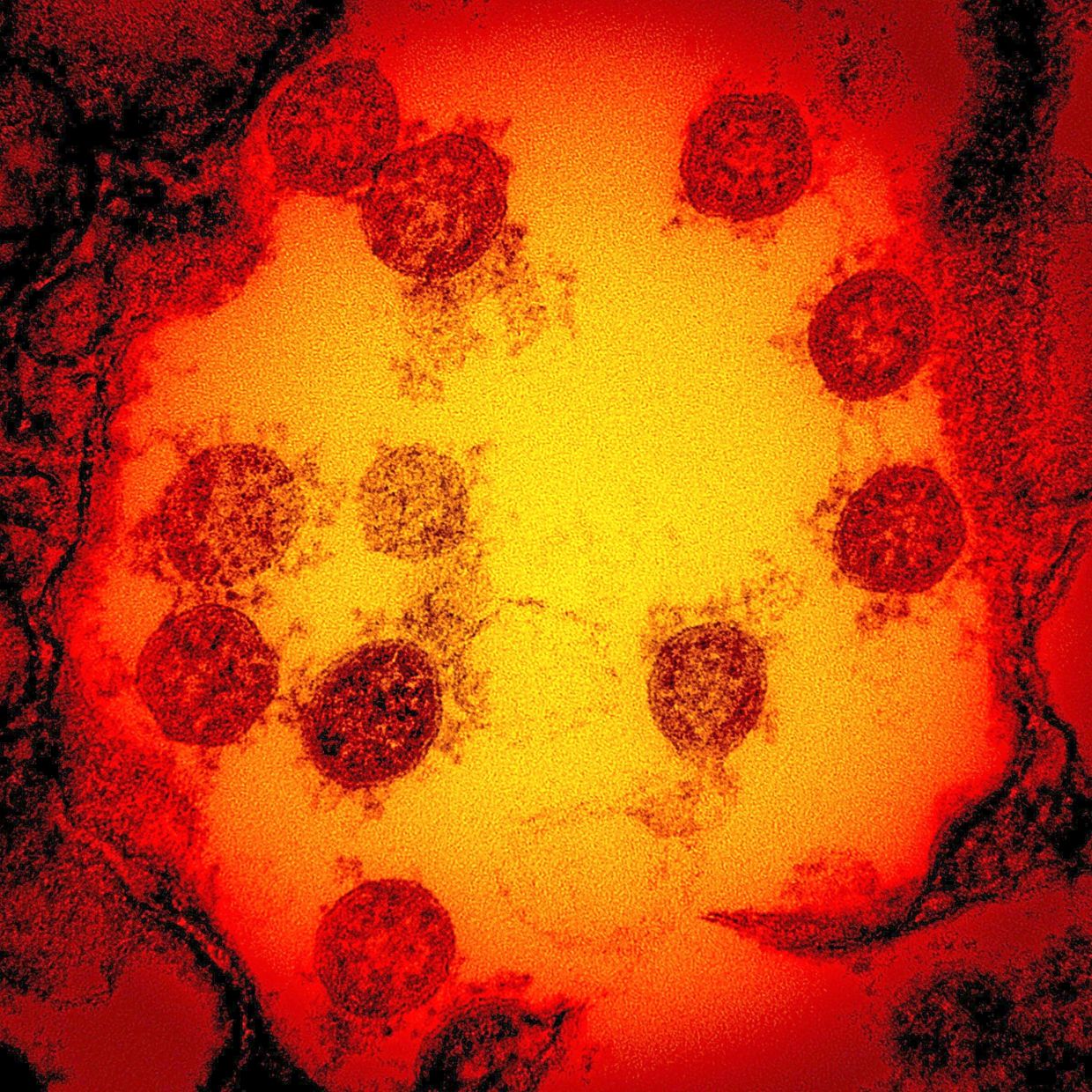
Researchers at Cambridge University have unveiled a potentially transformative vaccine development technology powered by artificial intelligence that could fundamentally change how the world responds to viral threats. The breakthrough, developed by Professor Jonathan Heeney and his team at the Department of Veterinary Medicine, represents a shift away from the current approach of creating vaccines for individual virus strains. Instead of chasing emerging variants reactively, this new platform aims to provide immunity against entire virus families—a concept Heeney compares to possessing a universal "master key" that opens every lock in an apartment block rather than fumbling for individual keys.
The limitations of conventional vaccine development became starkly apparent during the 2013-2016 Ebola outbreak in West Africa, an experience that catalysed Heeney's determination to reimagine the vaccine development paradigm. When the virus first emerged in Guinea, it was initially misidentified as Lassa fever, gastroenteritis, or cholera, costing precious months before scientists and health authorities could confirm what they were dealing with. By the time vaccination efforts commenced, the disease had spread across borders to Sierra Leone and Liberia, ultimately claiming approximately 11,300 lives according to the World Health Organization. Heeney witnessed firsthand how healthcare workers became among the victims while authorities scrambled to understand the pathogen. That humanitarian disaster crystallised his conviction that waiting to identify a virus before developing a vaccine represented an unacceptable vulnerability in global public health infrastructure.
The fundamental problem with traditional vaccines, Heeney explains, is their retrospective nature. A vaccine developed for a virus circulating today may prove less effective against the strain prevalent six months later, as pathogens naturally mutate and evolve. This perpetual game of catch-up—where medicine is always "chasing the virus"—creates gaps in population immunity. The new Cambridge approach circumvents this weakness by using artificial intelligence to analyse vast amounts of genetic and immunological data across entire virus families. The system identifies the critical regions where the immune system recognises and attacks pathogens, distinguishing between elements that vary between strains and those that remain consistent across all variants within a virus family.
Harrison's team leveraged early artificial intelligence capabilities to consolidate everything known about related viruses—their genetic sequences, structural features, and immunological properties—into a unified database. Machine learning algorithms then sifted through this information to locate the "similarities and the differences in the important parts of the virus that the immune system responds to." Rather than designing a vaccine against a single variant, the technology enables researchers to create a vaccine formulation that trains the immune system to recognise and neutralise all known variants within a virus family simultaneously. This represents what Heeney describes as "a real big paradigm change" in vaccine manufacturing philosophy.
The urgency of developing this technology has intensified due to ecological and demographic trends accelerating viral spillover events. Population growth, increased international travel, and human expansion into previously untouched animal habitats are bringing humans into contact with pathogens that have existed benignly in animal reservoirs for generations. Wildlife populations may have evolved resistance to these viruses through long exposure, but humans encountering them for the first time possess no natural immunity. When such cross-species transmission occurs, Heeney observes, "the virus goes crazy"—spreading rapidly through immunologically naive human populations. This pattern has characterised the emergence of SARS, MERS, and SARS-CoV-2, each jumping from animal populations to cause global health crises.
Influenza represents Heeney's principal concern among potential pandemic threats, as he describes it as one of the "trickier" viruses with particularly complex mutation patterns and antigenic drift characteristics. The 1918-1920 influenza pandemic killed an estimated 25-50 million people globally—a scale of mortality that dwarfs many other infectious disease catastrophes. History provides sobering examples of pandemic devastation, from the medieval Black Death to modern coronavirus outbreaks, underscoring the stakes involved in pandemic preparedness. The new vaccine platform could theoretically compress the development timeline dramatically, allowing researchers to work from existing knowledge of virus families rather than beginning from scratch with each new pathogenic variant.
Clinical validation of the Cambridge technology has already commenced, with a trial involving 39 volunteers sponsored by University Hospital Southampton. This initial human study, conducted in collaboration with British biotechnology firm DIOSynVax, has yielded sufficient safety and efficacy data to justify progression to larger-scale clinical trials. The move toward expanded testing represents a critical milestone, as it transitions the technology from laboratory concept to demonstrated medical intervention. Success in these larger trials would establish proof-of-concept for the fundamental approach and build confidence among regulatory agencies and the global health community.
The implications for Southeast Asia and emerging economies are particularly significant. These regions face disproportionate vulnerability to zoonotic disease spillover due to high population densities, extensive wildlife trade, and agricultural practices that bring humans into regular contact with animal reservoirs. Rapid vaccine development capabilities would provide these countries with faster access to countermeasures during outbreaks, reducing the window during which viruses spread unchecked. Additionally, a universal platform approach could reduce per-dose manufacturing costs compared to strain-specific vaccine production, improving accessibility for lower-income populations that currently experience delayed access to novel vaccines.
Heeney emphasises that the Cambridge team is now leveraging an evolved generation of artificial intelligence technology beyond what was initially available. Contemporary machine learning models can process exponentially larger datasets and identify more subtle immunological patterns than earlier systems. This enhanced analytical capability enables the team to "build a real powerful platform so that we can work even faster with more data," accelerating both the discovery process and the validation timeline. The researcher's vision extends beyond individual vaccine development toward establishing an entirely new paradigm of rapid-response vaccine manufacturing that could be deployed against emerging threats with unprecedented speed.
The broader significance of this work transcends vaccine development alone. It demonstrates how artificial intelligence can be applied to fundamental problems in infectious disease medicine, potentially revolutionising how humanity prepares for and responds to pandemic threats. By shifting from reactive to proactive vaccine development—creating broad-spectrum protections before pathogens achieve pandemic scale—this technology could prevent rather than merely treat pandemic emergencies. Heeney articulates cautious optimism about the prospect: the immediate priorities involve proving the platform is safe and more effective than conventional approaches, demonstrating that it can achieve rapid deployment, and building confidence among health authorities and populations worldwide.
As viral emergence accelerates due to environmental and demographic changes, the need for fundamentally different approaches to vaccine development has become increasingly urgent. The Cambridge platform represents one potential solution to this challenge, offering a glimpse of how biotechnology and artificial intelligence might reshape global health infrastructure. If successful at scale, this technology could indeed open doors to "a whole new era of vaccine manufacturing," potentially preventing future pandemics before they spiral into global crises. The stakes involved—protecting millions of lives and preventing economic disruption on a massive scale—justify sustained investment and rigorous clinical validation of this promising approach.

