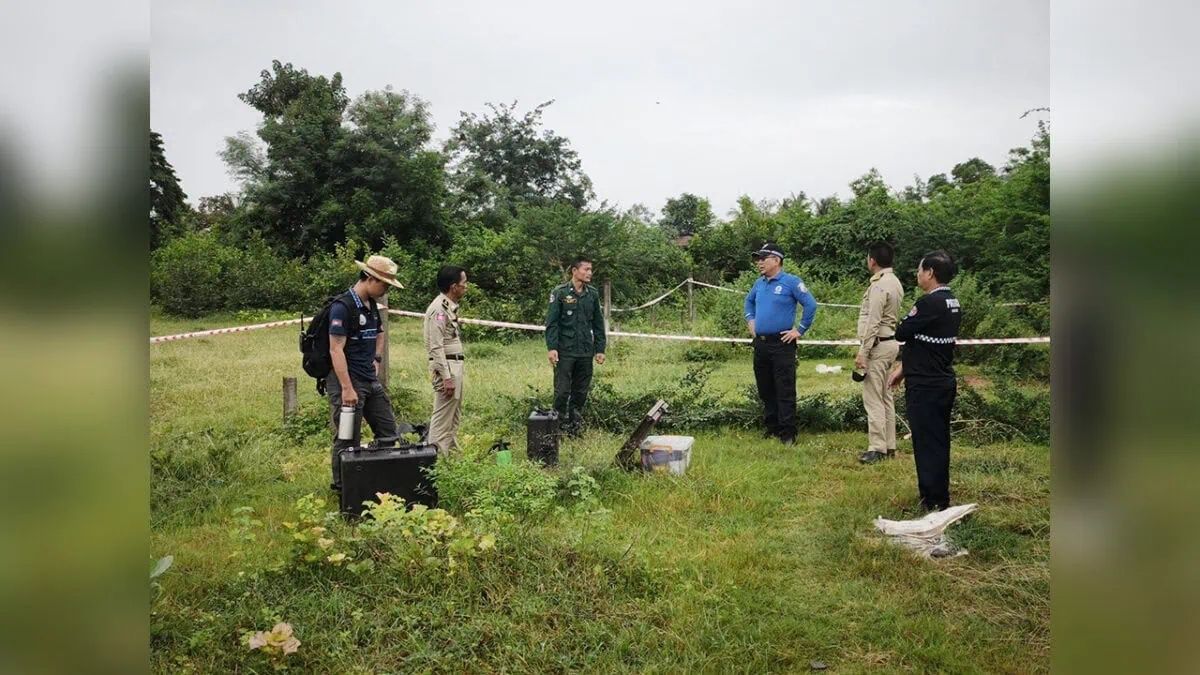
Cambodia's law enforcement apparatus has mobilised an intensive investigation into two child deaths discovered simultaneously in Banteay Meanchey province, signalling renewed commitment to combating crimes against minors in a region where such cases remain a persistent challenge. The Cambodian National Police and the Child Protection Unit confirmed on August 3 that they are treating the discoveries as separate homicide investigations, each receiving dedicated investigative resources and forensic expertise as authorities work to establish the circumstances surrounding the deaths.
The first body, a 15-month-old child, was located in a pond within Mongkol Borei district on the morning of July 28 at approximately 8am. The discovery occurred as officers were responding to reports of the second incident, which unfolded in parallel on the same date in Teuk Thla commune. That second victim was a five-year-old child who had been reported missing three days earlier, on July 25, providing investigators with a broader timeline to examine when determining the sequence of events leading to the tragic outcome.
The parallel investigations underscore the complexity facing Cambodian authorities when multiple child welfare crises emerge simultaneously. While the CPU has explicitly stated that the two cases are independent and unrelated, the synchronised discovery of both bodies within hours of each other has necessitated a coordinated response drawing upon multiple state agencies. The homicide investigation team has worked in conjunction with Banteay Meanchey provincial police forces and the Minister of Interior's Department of Technical and Scientific Police, pooling forensic capabilities and investigative personnel to establish timelines and evidence chains for both cases.
Forensic examinations at both crime scenes proceeded methodically in the days following the discovery. These preliminary investigations enabled authorities to formally classify both incidents as child homicides, triggering enhanced investigative protocols reserved for the most serious criminal allegations. The forensic process has become crucial in establishing cause of death and identifying potential perpetrators, though authorities have maintained operational secrecy regarding specific findings to preserve investigation integrity.
James McCabe, director of the Child Protection Unit, articulated the commitment of both the CPU and broader Cambodian law enforcement to pursuing comprehensive investigations with maximum investigative resources. His public statement reflected the gravity with which the organisations are treating the cases, emphasising that thoroughness and professional standards would guide every phase of the inquiry. McCabe's assurance that those found responsible would face prosecution before the courts provided implicit recognition that such cases have sometimes faced delays or inadequate follow-through in Cambodia's justice system historically.
The involvement of the CPU alongside the National Police represents a structured institutional approach to child homicides, acknowledging the specialised expertise required to investigate crimes against vulnerable populations. The CPU brings child protection protocols and experience in documenting evidence specific to minors, complementing the National Police's broader criminal investigation capabilities and the Department of Technical and Scientific Police's forensic laboratory resources. This multi-agency coordination has become standard practice in Cambodia's handling of child welfare emergencies, reflecting international best practices gradually being integrated into Cambodian law enforcement operations.
The geographic context of Banteay Meanchey, situated in northwestern Cambodia bordering Thailand, carries particular significance for regional security considerations. The province has faced challenges with cross-border human trafficking and child welfare issues, making robust investigative responses essential not only for immediate justice but for regional stability and child protection efforts across Southeast Asia. The swift mobilisation of resources to these cases demonstrates Cambodia's recognition that such incidents demand priority attention and cannot be deprioritised amidst competing law enforcement demands.
For Malaysian readers and broader Southeast Asian observers, these developments highlight ongoing child protection vulnerabilities persisting across the region despite legislative improvements and institutional reforms. Cambodia has gradually strengthened its child welfare frameworks through constitutional amendments and the establishment of specialised units like the CPU, yet isolated incidents continue to demonstrate gaps in prevention, early intervention, and community reporting mechanisms. The region faces persistent challenges in ensuring that child protection measures effectively reach vulnerable populations in rural and provincial areas, where resource limitations and geographic isolation can impede rapid intervention and investigation.
The decision to withhold operational details while investigations continue reflects standard investigative practice aimed at preventing contamination of evidence and preserving prosecutorial options. However, this transparency restraint has sometimes created information vacuums in Cambodia that allow speculation and rumour to circulate, potentially complicating investigations. The balance between necessary investigative secrecy and public accountability remains a tension point in Cambodian criminal justice, particularly in high-profile cases generating community concern and media attention.
Authorities extended formal condolences to the families of both children, acknowledging the profound loss and trauma accompanying such tragedies. This institutional recognition, while important symbolically, underscores the broader systemic challenge of preventing such incidents through enhanced child welfare monitoring, community education, and early intervention programmes. The investigations now underway will determine whether these deaths resulted from accidents, negligence, or intentional harm, distinctions that will shape legal consequences and inform broader policy discussions about child protection across Cambodia and the wider region.

