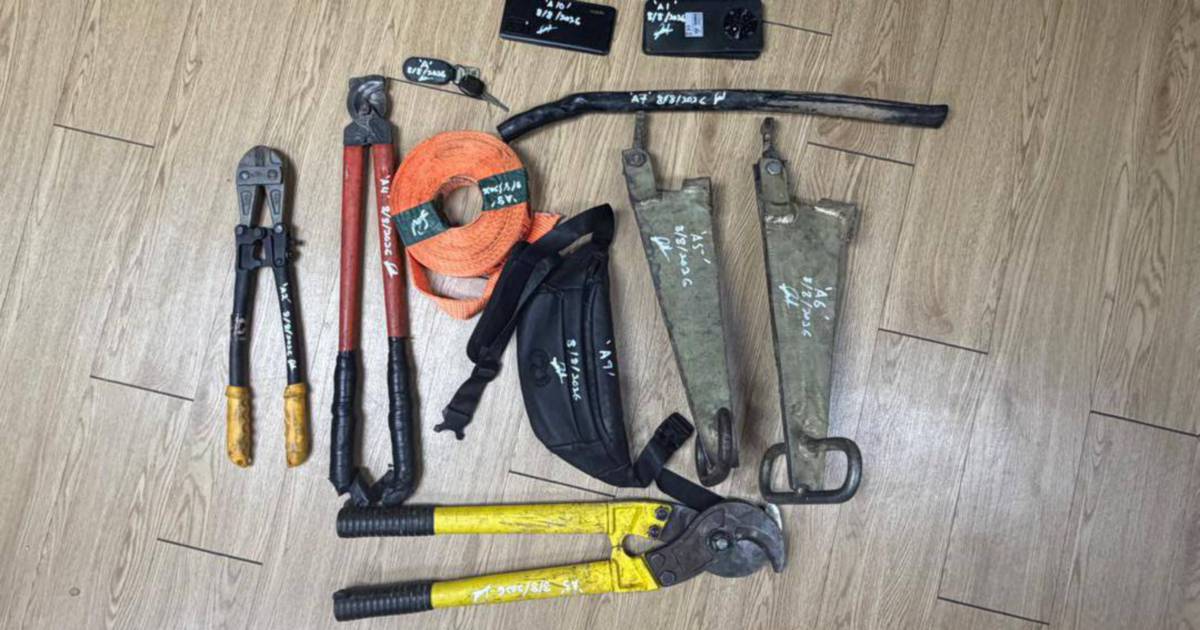
A man suspected of involvement in cable theft was taken into custody in Melaka following an extended high-speed chase spanning nearly 50 kilometres that culminated in a vehicle collision in the early morning hours. The incident underscores the growing problem of cable and metal theft across the country, which has generated significant costs for utility companies and disrupted essential services to communities.
The pursuit, which saw police officers trailing the suspect across considerable distance in the state, ended when the vehicle the suspect was driving crashed in Sungai Chohong, Jasin. The dramatic conclusion to the chase highlighted the risks involved in such operations, where high-speed driving poses dangers not only to those directly involved but also to other road users and bystanders in the vicinity.
Cable theft has emerged as a persistent challenge for Malaysian authorities and utility providers. The theft of electrical cables, telecommunications infrastructure, and metal components from public facilities continues to disrupt services and impose substantial financial burdens on service providers. These losses are frequently passed on to consumers through increased operational costs and maintenance expenses. The problem has been particularly acute in certain regions where organised networks of thieves operate with relative impunity.
The modus operandi of cable theft typically involves small teams who identify vulnerable infrastructure, often in less-monitored areas or during nighttime hours. The stolen materials are subsequently sold to scrap metal dealers and recycling centres, creating a market that inadvertently incentivises further theft. This cycle has prompted calls from enforcement agencies and private sector operators for stronger oversight of scrap metal trading and enhanced penalties for those engaged in the illicit trade.
Investigations into such cases often reveal connections to larger theft networks operating across state boundaries. The sophistication of these operations, combined with the relative ease of converting stolen cables into cash through scrap metal dealers, has made cable theft an attractive activity for organised crime groups. The financial incentive remains substantial despite increased enforcement efforts, particularly when international demand for metals remains robust.
For Melaka residents and businesses, incidents such as this serve as a reminder of the broader infrastructure security challenges facing the state. Repeated thefts of essential cables have occasionally left neighbourhoods without power or telecommunications services for extended periods. The economic impact extends beyond the immediate costs of cable replacement to encompass business disruptions and reduced productivity in affected areas.
The police operation itself reflects ongoing efforts by law enforcement to combat metal and cable theft through active patrols and intelligence gathering. The sustained pursuit demonstrates the commitment of officers to apprehend suspects despite the operational challenges and risks inherent in high-speed chases. However, such enforcement actions alone are insufficient to address the root causes of the problem.
Experts and industry stakeholders have advocated for a multi-pronged approach involving stricter regulations on scrap metal sales, improved security measures at critical infrastructure points, and community cooperation in reporting suspicious activities. Some utility providers have begun investing in enhanced surveillance and physical barriers to protect vulnerable installations. Additionally, campaigns aimed at educating the public about the consequences of cable theft have been launched in several states.
The arrest in this case provides authorities with an opportunity to investigate the extent of the suspect's involvement in cable theft operations. Police inquiries often uncover larger networks and supply chains when individual offenders are apprehended and questioned. Intelligence gathered from such cases can guide future enforcement strategies and help authorities identify and target the more serious players in organised theft rings.
For Malaysia's utility sector, tackling cable theft requires continued dialogue between government agencies, law enforcement, service providers, and community stakeholders. The economic impact of such thefts on the nation's infrastructure development and service delivery cannot be understated. Policymakers must balance the need for deterrent penalties with programmes that address underlying socioeconomic factors that may drive individuals toward theft.
The incident in Melaka also highlights the importance of road safety during police pursuits. While apprehending suspects is crucial, the risks posed by high-speed chases to innocent road users have prompted many jurisdictions to adopt more cautious pursuit protocols. The successful conclusion of this chase without serious injury, despite the dramatic circumstances, reflected responsible police work under challenging conditions.
Looking ahead, the case reinforces the necessity for sustained and coordinated efforts to combat cable and metal theft across Southeast Asia. As economic pressures persist and the demand for scrap metals continues to fluctuate, the incentive for theft remains present. Only through comprehensive strategies addressing enforcement, prevention, and root causes can authorities hope to significantly reduce this costly criminal activity.

