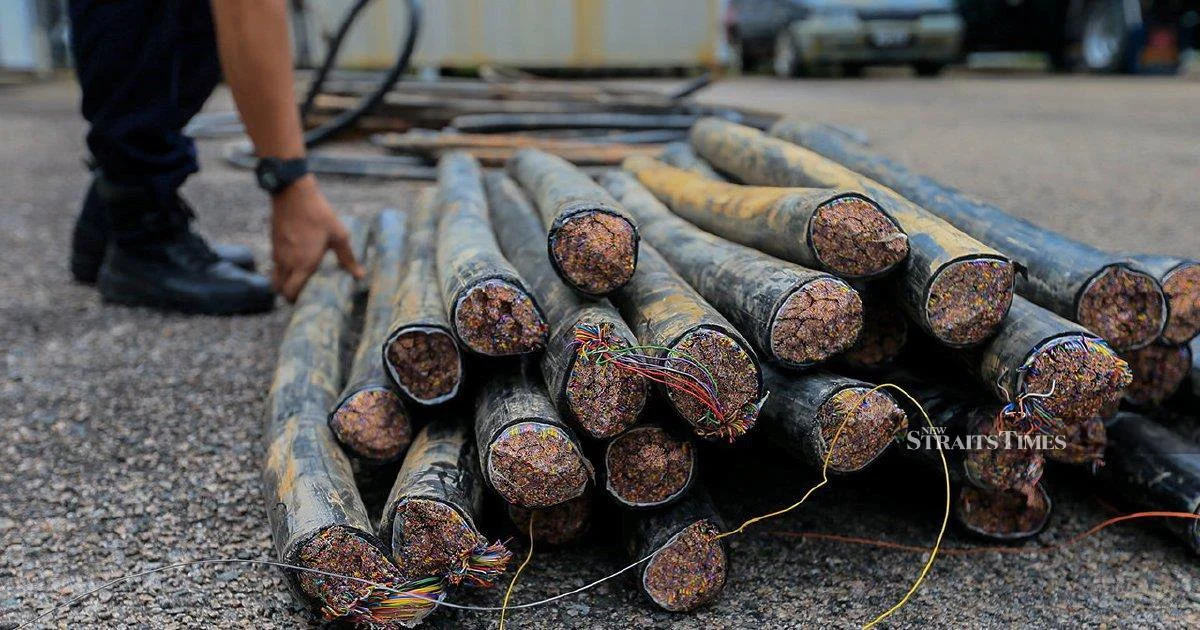
Kuala Lumpur's battle against cable theft has yielded tangible results, with police recording a marked decline in reported incidents during the first five months of 2025. The drop represents a substantial improvement in the capital's crime situation, reflecting intensified law enforcement operations targeting organised copper and telecommunications cable networks that have long plagued urban infrastructure across Malaysia.
The statistics paint an encouraging picture for residents and businesses struggling with disruptions caused by cable pilferage. Between January and May of this year, authorities registered 71 cable theft reports, a sharp contrast to the 205 cases documented throughout 2024. This reduction suggests that sustained policing efforts and preventative measures are beginning to deter would-be thieves from targeting the city's sprawling network of underground and aerial cables that carry power and data services to millions of residents.
The enforcement drive has also resulted in 85 arrests so far in 2025, indicating that police are not merely reducing incident numbers but actively disrupting criminal supply chains. Cable theft represents more than a nuisance to affected residents; it undermines critical infrastructure, disrupts telecommunications and electricity services, and costs utility companies and property owners substantial sums in repairs and replacements. The arrested suspects likely include both street-level thieves and intermediaries involved in the lucrative black market for scrap metals.
For Malaysian readers, this development carries broader significance beyond the city's boundaries. Cable theft has been a persistent challenge across Southeast Asia, with syndicates operating across borders to exploit price differentials for copper and aluminium in international scrap markets. Kuala Lumpur's experience demonstrates that targeted enforcement, when combined with intelligence-led policing and community cooperation, can effectively disrupt these networks. The capital's success may provide a template for tackling similar problems in other Malaysian cities facing comparable pressures.
The timing of this enforcement surge is particularly relevant given Malaysia's ongoing digital transformation and infrastructure expansion. Telecommunications companies have invested billions in deploying fibre optic networks and upgrading cellular infrastructure, making protection of these assets increasingly critical. Disruptions caused by theft can delay service rollouts to underserved communities and drive up operational costs that ultimately burden consumers through higher tariffs.
Police achievements must be understood within the context of the broader criminal economy surrounding cable theft. Syndicates typically operate in cells, with frontline thieves working under supervision of more established criminals who manage sales to scrap dealers. Some recycling facilities operate legitimately but may inadvertently purchase stolen materials, while others knowingly buy stolen cables at discounts that attract criminal suppliers. Targeting arrest numbers alone proves insufficient; sustained success requires disrupting the entire value chain from theft to resale.
The 71 cases recorded in five months, while lower than previous years, still represents a significant ongoing problem. This suggests that despite progress, cable theft remains a persistent security concern demanding continued vigilance. Police must maintain operational tempo and prevent criminals from adapting their methods or relocating activities to less-policed areas. Complacency following early success could allow networks to reestablish themselves or shift operations to neighbouring districts or states where enforcement may be less intensive.
Community awareness campaigns and public-private partnerships have increasingly become integral to addressing infrastructure crime across developed and developing economies alike. Telecommunications and utility companies can strengthen security through improved physical protection, surveillance systems, and reporting protocols. Residents and businesses noting suspicious activity can provide intelligence that helps police target high-risk areas and identify criminal patterns. Scrapping and recycling businesses face heightened responsibility to verify the legitimacy of material suppliers and report suspicious transactions.
The substantial year-on-year improvement also reflects resource allocation decisions by police leadership. Whether through dedicated task forces, intelligence analysis, or increased patrols in historically problematic areas, the capital has evidently received prioritised attention for this particular crime category. Sustaining such results requires continued commitment and funding, as well as court convictions that impose meaningful deterrent sentences on those caught stealing critical infrastructure components.
Looking forward, the challenge for Kuala Lumpur's police lies in consolidating gains while remaining alert to criminal adaptation. Thieves may employ new tactics, target different infrastructure types, or establish lookouts to avoid apprehension. Authorities must therefore combine reactive enforcement with proactive intelligence gathering, partnership with infrastructure operators, and regular reassessment of deployment strategies. The 71 cases reported this period represent real disruptions to residents' lives and setbacks to the city's economic vitality; driving this figure even lower requires sustained commitment to an unglamorous but essential dimension of urban policing.